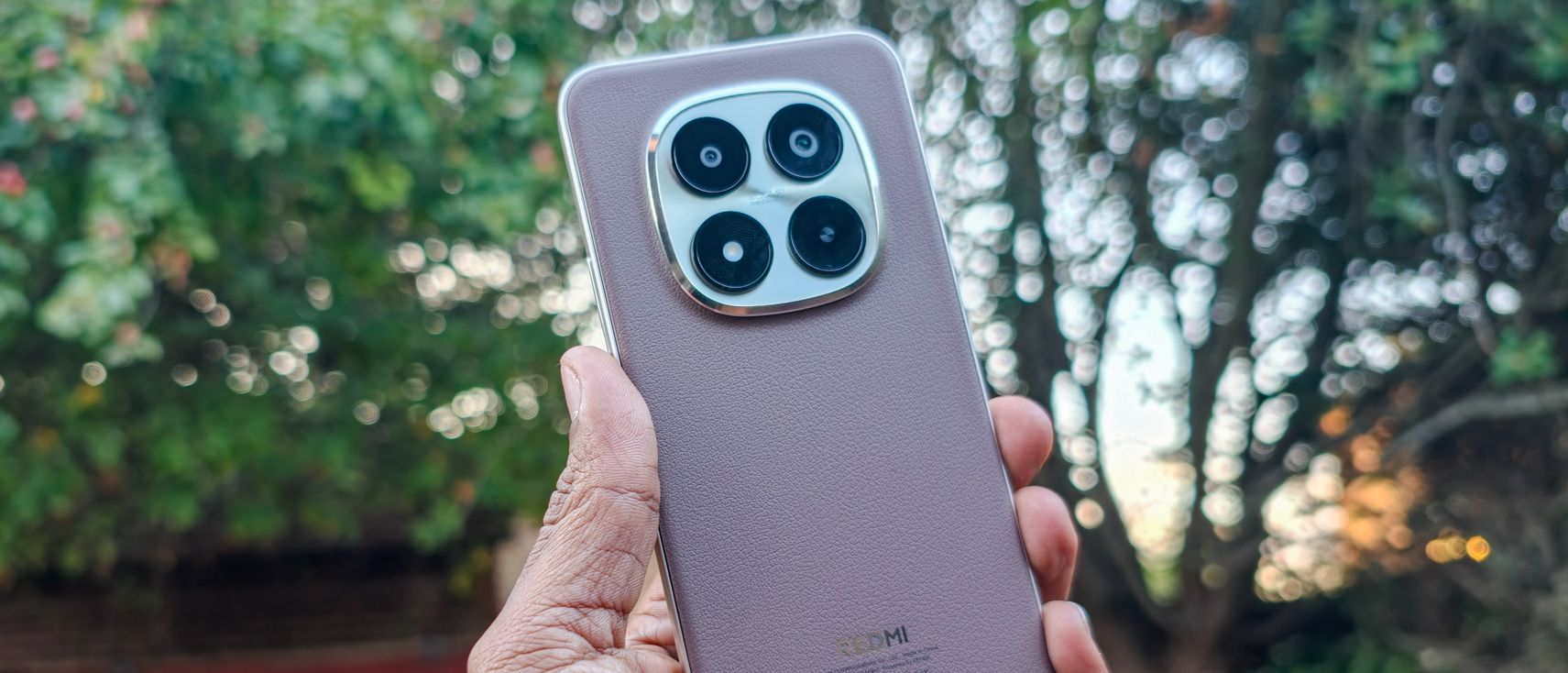
Унах, ус тоосонд тэсвэртэй энэ загварын давуу тал нь камер, гүйцэтгэл болон программын зарим сул талаас илүү байна.
Xiaomi-ийн дунд ангиллын Redmi Note 15 Pro Plus 5G нь SGS-ийн таван одтой Titan Durability хүрээ, Gorilla Glass Victus 2 хамгаалалттай. Хатуу боржин чулуун дээр 2.5 метрээс унахад тэсвэртэй бөгөөд IP68, IP69K зэрэглэлтэй тул ус, тоосноос хамгаалагджээ. Гаднаасаа том, хүнд бат бөх утас шиг харагдахгүй ч дэлгэцийг нойтон гараар ашиглах, чанга яригчаас усыг дуу чичиргээгээр гадагшлуулах боломжтой.
Тус утас 6.83 инчийн, 120 Гц AMOLED дэлгэцтэй бөгөөд Dolby Vision, HDR10+ дэмжинэ. Гэвч нарны шууд тусгалд халалтаас сэргийлж дэлгэцийн гэрэлтүүлгийг огцом бууруулдаг нь гадаа ашиглахад хүндрэл учруулна. Snapdragon 7s Gen 4 процессор өдөр тутмын хэрэглээнд хүрэлцэх ч тоглоом зэрэг ачаалал ихтэй үед гацаж, UFS 2.2 хадгалах сан зарим өрсөлдөгчөөс удаан ажилладаг.
200 МП үндсэн камер нь өдрийн гэрэлд тод зураг авдаг ч 8 МП хэт өргөн өнцгийн камерын дүрсний чанар мэдэгдэхүйц доогуур, тусгай телефото камер байхгүй. 6,500 мА.ц батарей бодит хэрэглээнд хоёр өдөр хүрч, 100 Вт цэнэглэгчээр ойролцоогоор 40 минутанд бүрэн цэнэглэгдэнэ. Мөн 22.5 Вт утсаар дамжуулан цэнэглэх боломжтой ч утасгүй цэнэглэлт дэмжихгүй.
HyperOS 2 үйлдлийн систем Android 15 дээр суурилсан бөгөөд дөрвөн томоохон үйлдлийн системийн шинэчлэл, зургаан жилийн аюулгүй байдлын засвар авахаар амласан ч урьдчилан суулгасан апп, системийн зарууд хэрэглээг төвөгтэй болгодог. Уг загвар Их Британи, Европт 8 ГБ RAM, 256 ГБ багтаамжтай хувилбараар ойролцоогоор 349 фунтээс худалдаалагдаж байгаа бол 12 ГБ RAM, 512 ГБ багтаамжтай хувилбар 479 фунт орчим үнэтэй. АНУ, Австралид албан ёсоор худалдаалагдахгүй.
Дэлгэрэнгүйг эх сурвалжаас харах
↓Эх сурвалжийг нээх ↓
Why you can trust TechRadar
We spend hours testing every product or service we review, so you can be sure you’re buying the best. Find out more about how we test.
Redmi Note 15 Pro Plus 5G review: Two-minute review
You may not have heard of Redmi, but you likely know its parent company, Xiaomi, which regularly features in our coverage of the best phones.
While Xiaomi focuses on premium smartphones and tablets, Redmi offers solid mid-range smartphones that aim to compete with the similarly priced competition from Google, Samsung, and Nothing.
Indeed, the Redmi Note 15 Pro Plus 5G stands squarely against the Google Pixel 10a, Samsung Galaxy A57, and Nothing Phone 4b in the mid-range category. But while those devices stand out for camera, design, or overall polish, Redmi has chosen to focus on raw durability with the Note 15 Pro Plus 5G.
Latest Videos FromTechRadar
The star feature is an SGS 5-star certified Titan Durability frame with Gorilla Glass Victus 2, offering up to 2.5-meter drop resistance alongside flagship-level IP68 and IP69K dust and water resistance. That’s paired with a large 6,500 mAh battery with 100W fast charging — both market-leading at the phone’s £350 price point.
Still, at that price, there’s always a catch. The Redmi Note 15 Pro Plus 5G prioritizes tough hardware over software refinement. The 6.83-inch 120Hz display is sharp and supports Dolby Vision, but aggressive auto-dimming hampers outdoor visibility. The 200MP main camera takes great daylight shots, but the 8MP ultra-wide is mediocre, and there’s no dedicated telephoto lens.
Meanwhile, the mid-range Snapdragon 7s Gen 4 processor struggles under heavy gaming loads; Xiaomi’s HyperOS has a bundle of ads through native apps, and there’s a general lack of UX refinement, all of which lead to a more sluggish experience than you’ll find on other phones.
You’ll notice these trade-offs throughout daily use, but the phone’s excellent battery life and solid drop protection make it a champion in its own right.
If you can live with less polish and the usual mid-range trade-offs, you’ll get something that can withstand much more than most phones. And if you know a chronic butterfinger who can’t keep a phone in their hands — my sister, for instance — the Redmi Note 15 Pro Plus 5G is the exact phone you should buy them.
Redmi Note 15 Pro Plus 5G review: price and availability
- Launched for £429 in January 2026
- Currently available from ~£349 in the UK and Europe
- Not officially sold in the US or Australia
The Redmi Note 15 Pro Plus 5G was announced in December 2025 and launched in January 2026 at £429 in the UK. It was quickly followed by launches in India and across Asia, but like many Xiaomi phones, it’s not available in the US or Australia.
Six months later, at the time of writing, the Redmi Note 15 Pro Plus 5G has dropped to around £350 for the model with 8G of RAM and 256GB of storage, the latter of which is double that of its three key competitors — the Pixel 10a, Galaxy A57, and Nothing Phone 4b.
The upgraded version with 12GB of RAM and 512GB of storage costs just £50 more, offering excellent value for money, especially given the ever-increasing cost of RAM and storage driven by AI. A price of £479 is relatively unheard of in this price bracket, as phones with 512GB usually cost considerably more.
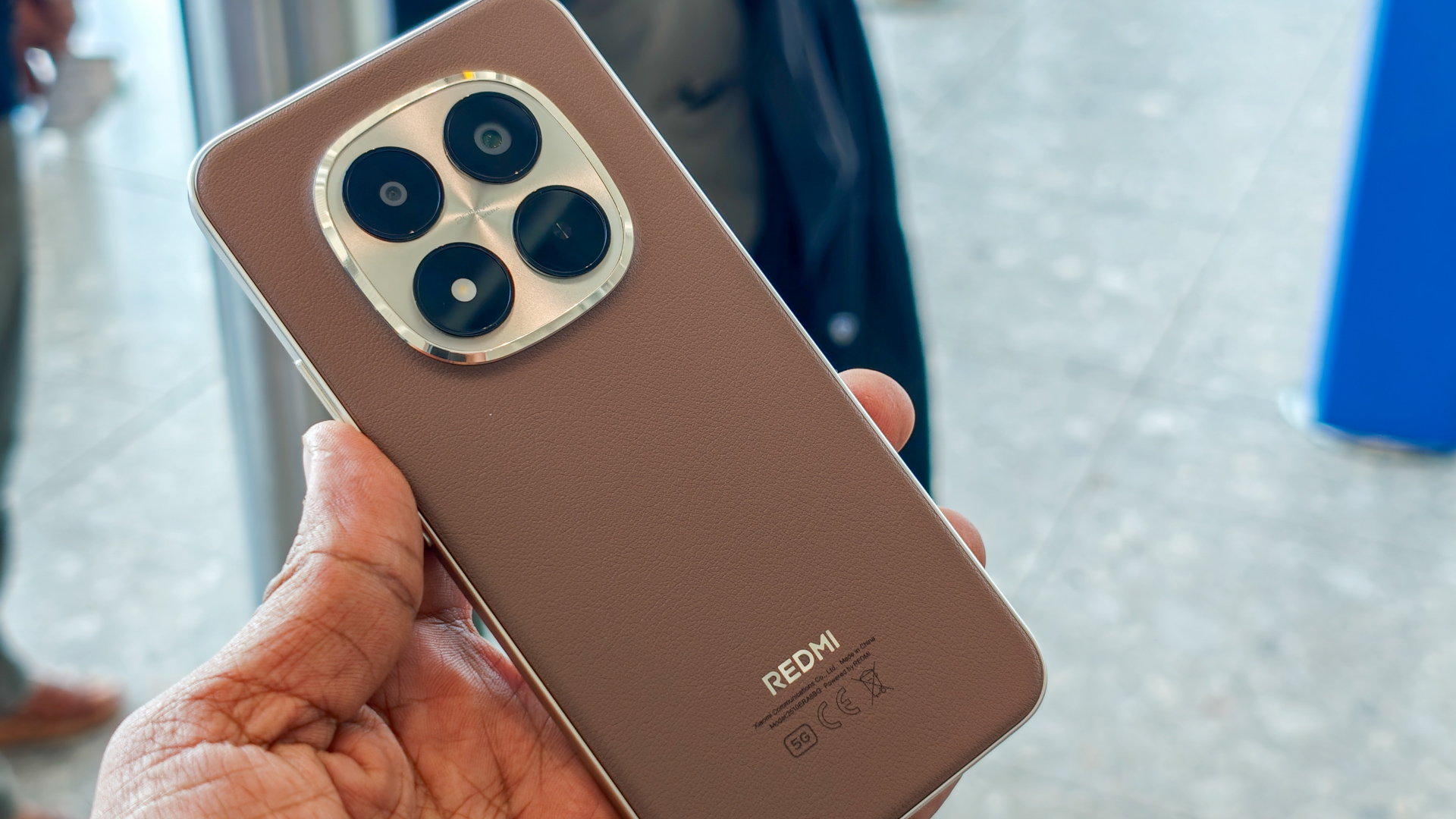
Like most Redmi phones, there are a few colors to choose from. Mocha Brown features a vegan-leather rear panel paired with a gold frame and matching camera-ring accents. However, this model is slightly thicker and heavier than the Glacier Blue and Black versions, which both feature a fiberglass back with a matte texture and color-matched side rails.
Redmi Note 15 Pro Plus 5G review: specs
Swipe to scroll horizontally
| Header Cell – Column 0 | Header Cell – Column 1 |
|---|---|
|
Dimensions: |
163.3 x 78.3 x 8.2 mm |
|
Weight: |
207g |
|
Display: |
6.83-inch AMOLED (1280 x 2772), 120Hz, 3,200 nits peak brightness |
|
Chipset: |
Qualcomm Snapdragon 7s Gen 4 |
|
RAM: |
8GB / 12GB RAM |
|
Storage: |
256GB / 512GB |
|
OS: |
Android 15, but Android 16 is now available |
|
Primary camera: |
200MP, f/1.7 |
|
Ultra-wide camera: |
8MP, f/2.2, 120° |
|
Selfie camera: |
32MP, f/2.2 |
|
Battery: |
6,500mAh |
|
Charging: |
100W wired |
|
Colors: |
Glacier Blue, Mocha Brown, Black |
Redmi Note 15 Pro Plus 5G review: design
- A sleek, modern phone, not a bulky industrial brick
- IP68 and IP69K water resistance ratings
- 2.5-meter drop resistance onto hard granite
- Touchscreen remains responsive in pouring rain or with wet hands
If there’s one area where the Redmi Note 15 Pro Plus 5G truly stands out, it’s design — specifically, durability.
What makes this device unique is the sheer lengths Xiaomi/Redmi went to in order to build one of the most durable smartphones on the market without incurring the classic “rugged phone” penalty. Instead of resembling a heavy industrial power tool, the Redmi Note 15 Pro Plus 5G looks and feels like a standard, stylish mid-ranger.
Underneath that homogeneous exterior sits a “Titan Durability” frame, certified by SGS, with a 5-star rating for drops from up to 2.5 meters onto granite. Add full IP68 and IP69K water and dust protection — a high-temperature, high-pressure rating that many of the best smartphones skip — and you have an absolute durability champion.

The Redmi Note 15 Pro Plus 5G proves that drop-proof hardware doesn’t have to look industrial. Offered in either a faux-leather finish or two matte fiberglass backings with color-matched frames, it demonstrates that extreme durability can coexist with different aesthetic styles.
This achievement becomes obvious when put side-by-side with its direct rugged price rivals:
- Samsung Galaxy XCover 7 (~£320): Wrapped in a heavy black rubber casing with chunky bezels, the XCover measures 10.2mm thick and weighs 240g. The Redmi is 2mm thinner, 33g lighter, has a higher drop rating (2.5m vs 1.5m), and superior water protection.
- Nokia XR21 (~£360): Matches the IP69K rating, but caps drop protection at 1.8 meters while measuring a thicker 10.4mm and weighing 231g.
- Doogee S200 (~£330): Offers solid protection, but at a massive 16mm thick and 369g — nearly double the Redmi’s weight. It looks like an archetypal construction-site brick, whereas the Redmi comfortably slides into standard jeans pockets.
The Redmi’s durability is further enhanced through software features like water ejection, which works the same way as a smartwatch by ejecting water from the speakers using low-frequency sound/vibration, and screen algorithms optimized for use with wet hands.
The Redmi Note 15 Pro Plus 5G is attractive enough to appeal to casual buyers who aren’t looking for a rugged phone, but its build stands head and shoulders above its rugged competition.
Redmi Note 15 Pro Plus 5G review: display
- Vibrant 6.83-inch 1.5K AMOLED panel with Dolby Vision and HDR10+
- Smooth 120Hz refresh rate and ultra-high 3840Hz PWM dimming
- 3,200 nits peak brightness is bright enough for outdoor use but…
- … aggressive thermal auto-dimming makes it much harder to use in direct sunlight
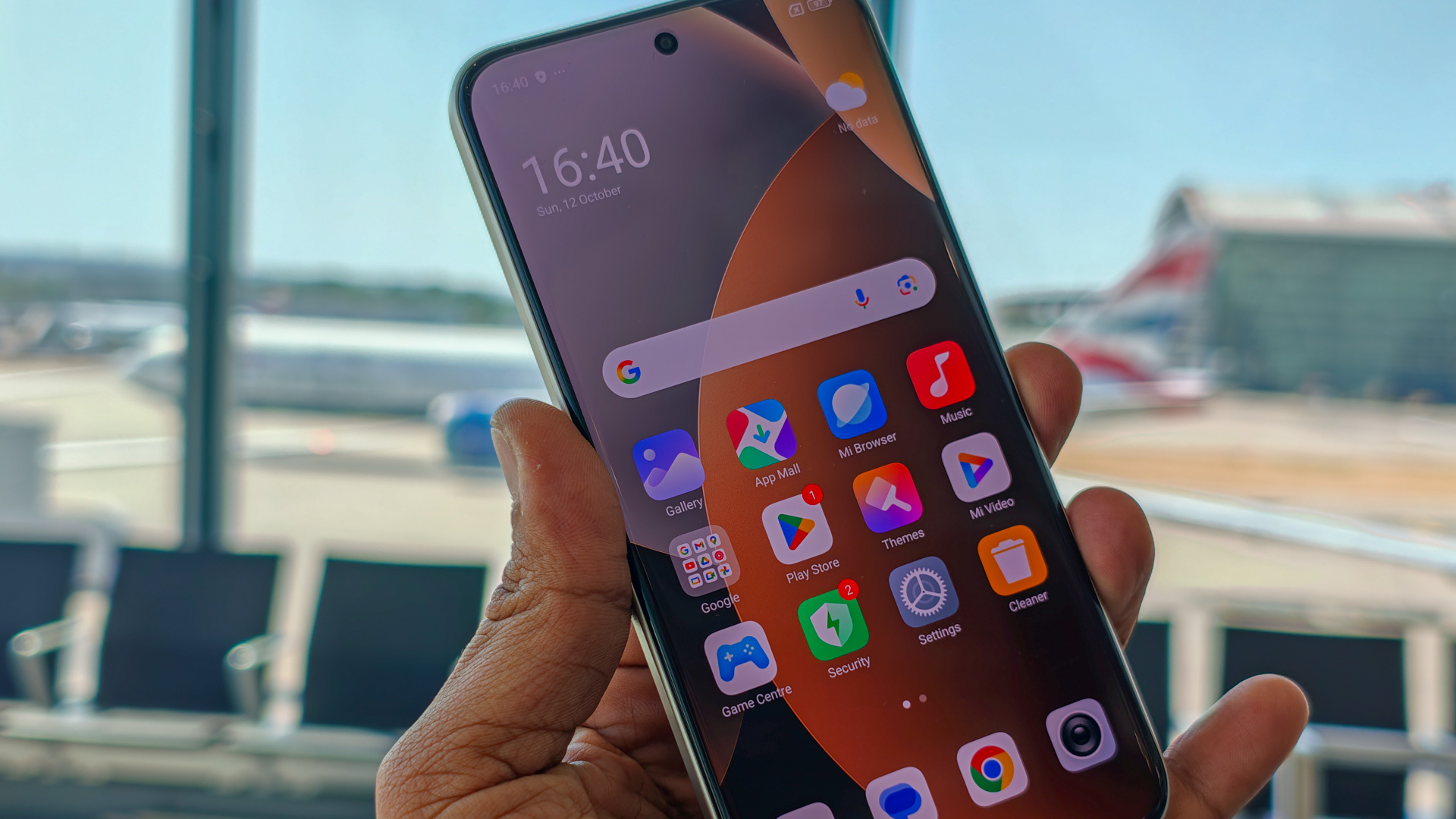
The display on the Redmi Note 15 Pro Plus 5G is a strong performer for a mid-range phone. You get a large 6.83-inch 1.5K AMOLED panel (2772 x 1280) that delivers crisp details, rich 12-bit colors, and deep contrast. With both Dolby Vision and HDR10+ support included, media streaming looks noticeably punchier than on baseline 1080p mid-range screens.
In daily use, scrolling feels fluid thanks to the adaptive 120Hz refresh rate. Xiaomi also equipped the panel with 3840Hz PWM dimming to reduce eye strain during late-night scrolling — a thoughtful touch rarely prioritized at this price point.
The Redmi Note 15 Pro Plus 5G falls short in Xiaomi’s aggressive thermal management in direct sunlight. While Xiaomi claims a massive 3,200-nit peak brightness — which is higher than most phones at this price point — the company employs aggressive auto-dimming that kicks in quickly when outdoors to protect the panel from overheating. It’s fine for basic tasks, but it won’t maintain its peak brightness in sustained summer heat, and it is definitely less enjoyable to watch content on while outdoors.
That aside, this screen is a solid upper-mid-range offering, and it further reinforces that you can have a great display in a rugged phone.
Redmi Note 15 Pro Plus 5G review: cameras
- 200MP primary camera (1/1.4″ sensor) with OIS delivers detailed daylight stills
- Effective 2x somewhat compensates, but you do miss the telephoto
- 8MP ultra-wide lens is a noticeable drop in sharpness and color fidelity
- Video tops out at 4K/30fps on the main camera and 1080p on the front selfie camera
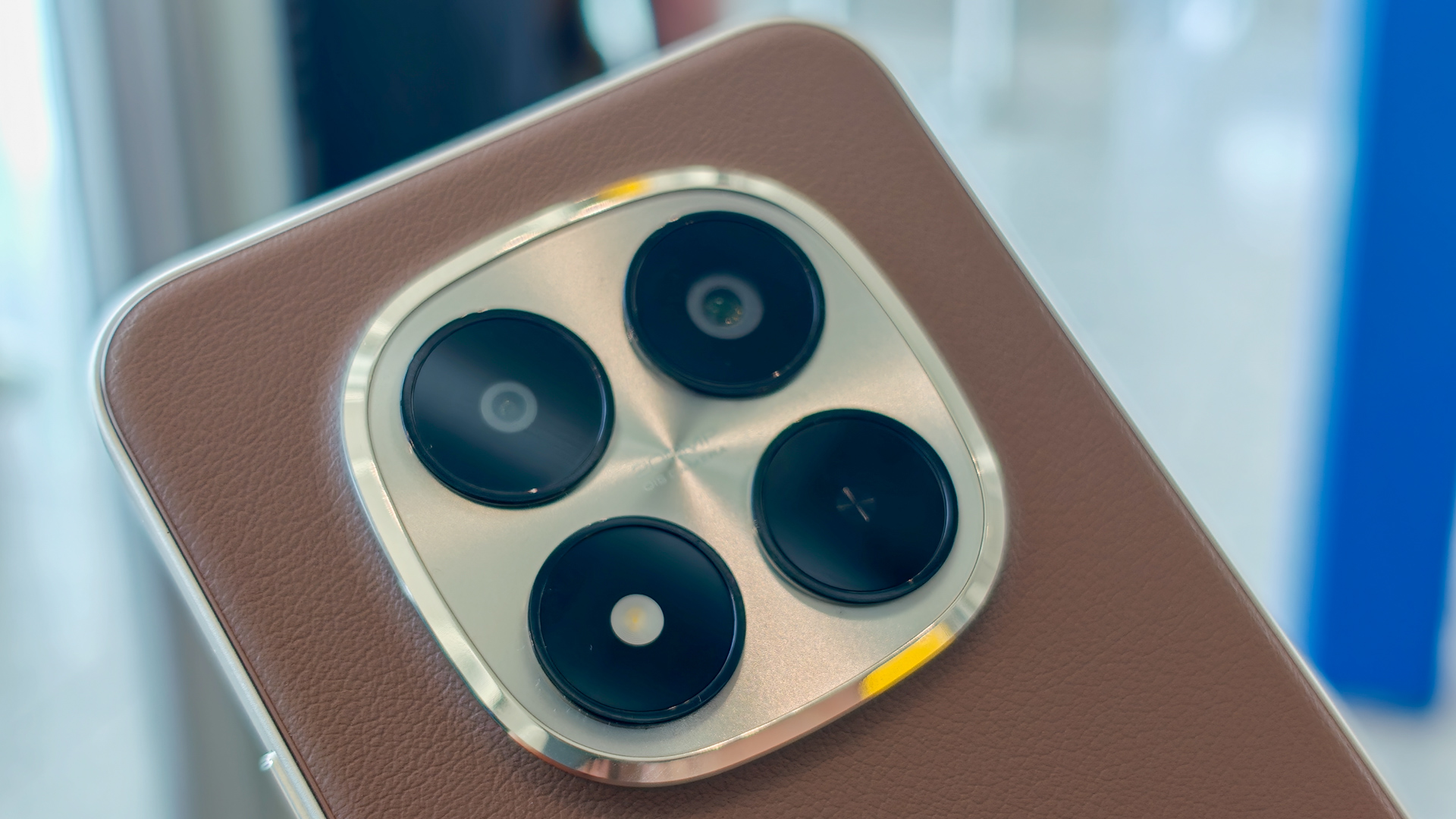
The Redmi Note 15 Pro Plus 5G camera is the epitome of mid-range compromise, with a single main camera doing all the heavy lifting to compensate for weak or missing additional cameras.
The 200MP main camera features an f/1.7 aperture and OIS. In daylight and great lighting conditions, it uses 16:1 pixel binning to capture 12.5MP photos with a wide dynamic range and punchy colors. The high-resolution choice means the 2x and 4x zoom options achieved via in-sensor cropping are fairly capable for casual portraits and macro shots, but the lack of a dedicated telephoto lens means this doesn’t stand out for its zoom capabilities.
Beyond the main sensor, the camera quickly falls apart. The 8MP ultra-wide camera lacks the detail and color accuracy of the primary lens, with soft detail and noticeable grain even in challenging lighting. Nor is the Redmi Note 15 Pro+ 5G a champion at video, with 4K recording at 30fps limited to the rear cameras, and the 32MP selfie camera locked to just 1080p video.
Poco F8 Pro review: camera samples
Redmi Note 15 Pro Plus 5G review: performance
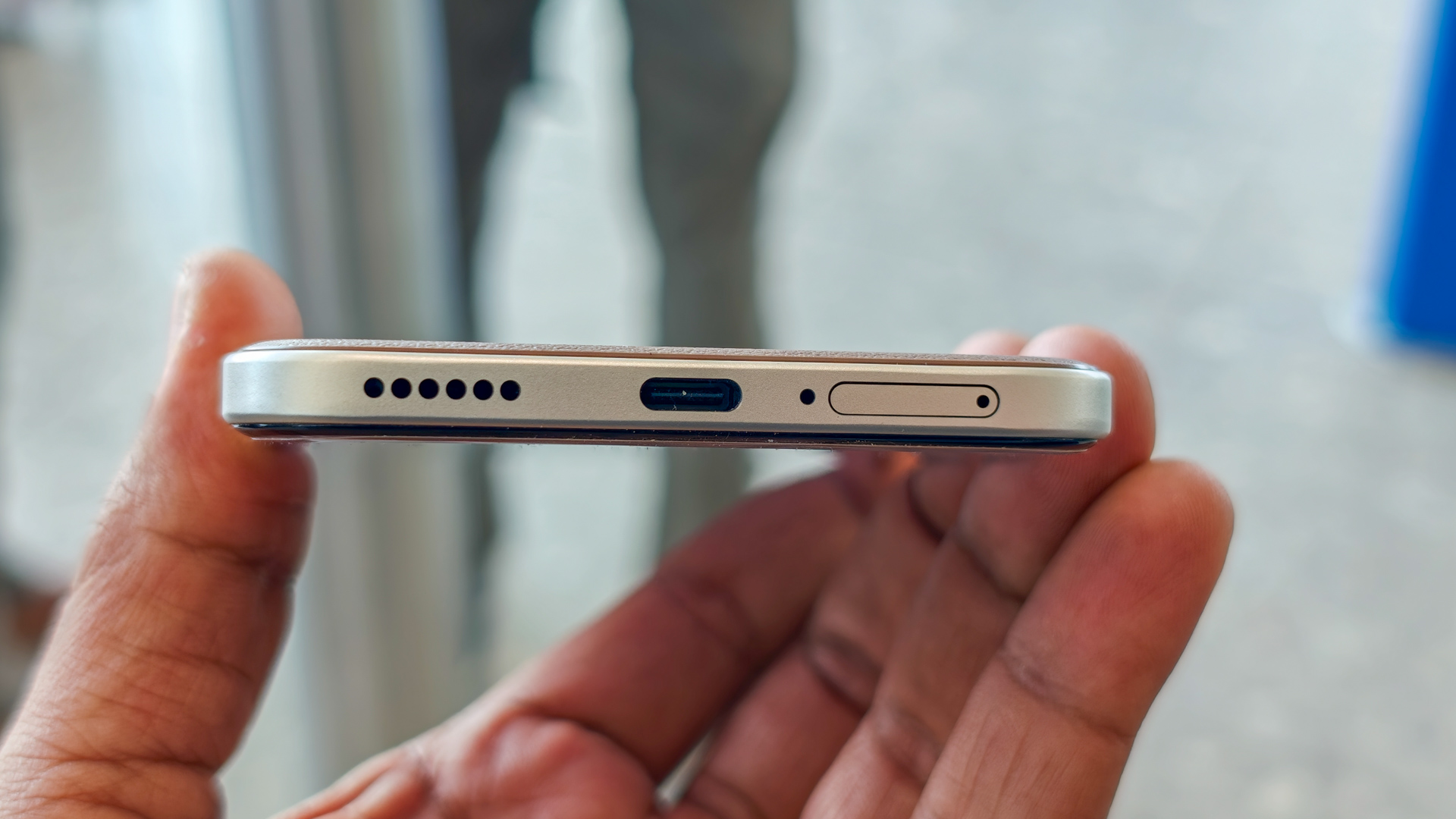
- Powered by Snapdragon 7s Gen 4 (4nm) processor
- Up to 12GB of RAM is great, with other phone makers cutting back or increasing costs
- Paired with older UFS 2.2 storage speeds
- Handles daily tasks and media smoothly, but stutters under heavy load
The Redmi Note 15 Pro Plus 5G has an admirable 8GB or 12GB of RAM, and this is ultimately necessary to provide a somewhat smooth day-to-day experience. However, under heavy loads, the 4nm mid-range Snapdragon 7s Gen 4 starts to struggle, and you are quickly reminded that this is a mid-range phone.
Xiaomi is quite generous by offering 256GB of storage as the base option, but it uses slower UFS 2.2 storage, which means app installations, accessing storage in apps, and heavy gaming loads are noticeably slower than on rivals using UFS 3.1 or UFS 4.0 standards.
The 5,200mm2 vapor chamber does keep the phone relatively cool during heavy gaming sessions, which is a pleasant surprise, but as we covered before, it doesn’t prevent the screen from aggressively auto-dimming in response to high temperatures in direct sunlight.
Overall, this is about the experience you’d expect from a mid-range phone, and if you’re coming from a phone with a flagship processor, you’ll definitely notice the difference. Compared to its rugged rivals, though, the performance package is above average.
Redmi Note 15 Pro Plus 5G review: software
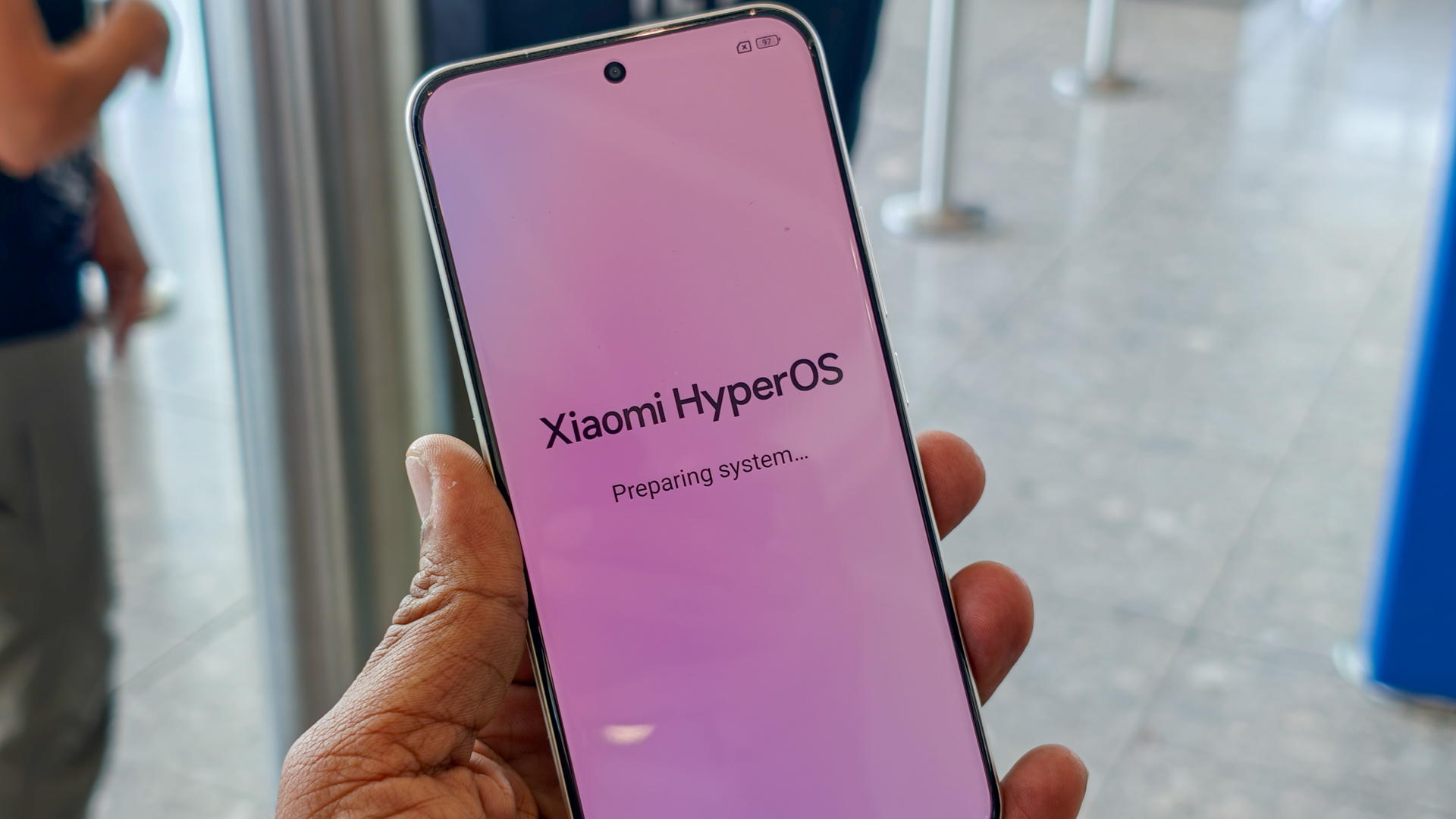
- Ships with HyperOS 2 built on Android 15
- 4 major OS updates and 6 years of security patches beats most rugged rivals…
- … but falls short of the 6–7-year policies on the Pixel 10a and Galaxy A57
- Preloaded bloatware is annoying
- Has features like Circle to Search, Google Gemini, and IR Blaster
Xiaomi isn’t known for offering the longest support or fastest updates across its smartphone range, and the Redmi Note 15 Pro Plus 5G firmly sits at the lower end of the update spectrum for modern mid-rangers. Yes, Xiaomi is offering four major OS updates and six years of security patches — which easily beats niche rugged rivals — but Xiaomi is notorious for slow regional rollouts.
Considering the Redmi Note 15 Pro Plus 5G launches on Android 15 while non-durable competitors at this price point will soon be receiving Android 17, the software commitment doesn’t feel particularly future-proof. At best, you’ll get Android 19 support, but it won’t be particularly fast to roll out.
Further, Xiaomi’s HyperOS 2 remains one of the more frustrating aspects of the user experience. Out of the box, it comes cluttered with preloaded bloatware and opt-out system ads tucked inside native utility apps. Yes, you can uninstall many of them quite easily, but it’s a frustrating first impression.
On the positive side, HyperOS 2 isn’t short on practical utility. You get Google’s native Circle to Search feature and solid Gemini Integration, while Xiaomi’s Hyper Connect suite allows for handy cross-device clipboard sharing and PC integration. The pre-installed Mi Remote app also makes great use of the top-edge IR blaster.
However, the overall software experience would be far more appealing if Xiaomi adopted a lighter, cleaner approach.
Redmi Note 15 Pro Plus 5G review: battery life
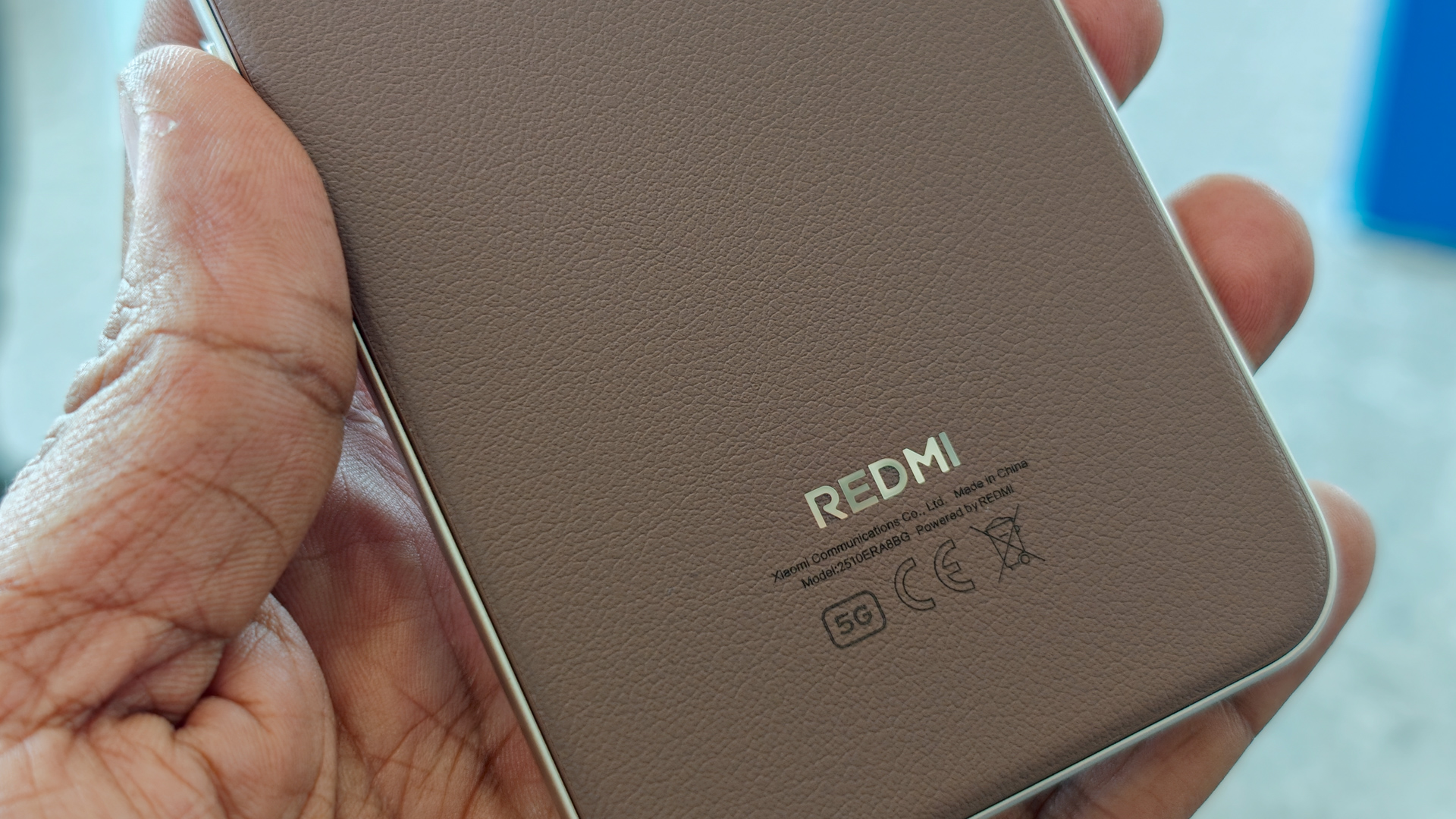
- 6,500mAh silicon-carbon battery delivers genuine two-day endurance
- 100W fast charging charges to full in 40 minutes
- 22.5W reverse wired charging
- No wireless charging support
Many people turn to rugged phones because their large batteries are worth the obvious trade-offs in features and design. There are also many customers who would like the larger battery but are not willing to accept the same trade-offs.
The Redmi Note 15 Pro Plus 5G sits in the Goldilocks zone between these two camps, with a 6,500mAh battery that’s much larger than those of its non-rugged competition at this price, and also bigger than the batteries in several key rugged rivals. Yes, it’s not as large as the 10,000 mAh battery you’ll find in the Doogee S200, but the Redmi Note 15 Pro Plus 5G strikes the best balance of capacity, longevity, and overall design.
In real-world usage, this 6,500mAh battery delivers genuine multi-day battery life, with the Redmi Note 15 Pro Plus 5G regularly lasting two full days with between 10 and 11 hours of screen time. This is among the best battery life you’ll reliably get on a smartphone, and even if it does run low, it’s fast to recharge.
The 100W superfast charging is faster than most of the competition, rugged or otherwise, and takes around 40 minutes for a full charge. This gives it an average speed of 162.5 mAh/min, which is among the fastest of any phone I’ve tested.
There’s also the option of 22.5W reverse-wired charging, which is fast enough to charge your accessories, or even your friend’s phone in a pinch. In many ways, the Redmi Note 15 Pro Plus 5G is almost the perfect smartphone if you like to go camping for a weekend, as it’s versatile enough for many use cases.
Should you buy the Redmi Note 15 Pro Plus 5G?

Swipe to scroll horizontally
|
Attributes |
Notes |
Rating |
|---|---|---|
|
Design |
Combines a stylish, non-rugged look with top-tier IP68/IP69K water resistance and 2.5m drop protection. |
5 / 5 |
|
Display |
A vibrant 120Hz AMOLED screen, marred only by aggressive thermal auto-dimming in direct sunlight. |
4 / 5 |
|
Performance |
Solid for everyday average tasks, but the Snapdragon 7s Gen 4 and older UFS 2.2 cause the phone to stutter under heavy loads |
3 / 5 |
|
Camera |
A great 200MP main camera, but below-average ultra-wide, no telephoto, and poor selfie video.. |
3.5 / 5 |
|
Battery |
Outstanding 6,500mAh battery delivers true multi-day battery life, while 100W charging is among the fastest of any smartphone. |
5 / 5 |
|
Software |
HyperOS 2 includes Google AI features, but has a lot of preloaded bloatware and questionable software longevity. |
3 / 5 |
|
Value |
Unbeatable bang-for-your-buck; 256GB base storage for ~£349 is double the entry storage of main mid-range rivals. |
5 / 5 |
Buy it if…
Don’t buy it if…
Redmi Note 15 Pro Plus 5G: also consider
There are four real competitors to the Redmi Note 15 Pro Plus 5G worth considering, but each has its compromises.
How I tested the Redmi Note 15 Pro Plus 5G
- Review test period: ~2 weeks
- Testing included: Daily driver usage, including GPS navigation, web browsing, social media feeds, photography, casual and 3D gaming, video streaming, music playback, and outdoor brightness checks.
- Tools used: Synthetic benchmarks (Geekbench 6, 3DMark), battery drain logs, native Android stats, official Xiaomi chargers, and real-world drop tests.
Why you can trust TechRadar
☑️ 100s of smartphones reviewed
☑️ 15 years of product testing
☑️ Over 16,000 products reviewed in total
☑️ Nearly 200,000 hours testing tech
I tested the Redmi Note 15 Pro Plus 5G as my primary smartphone for two weeks, evaluating everyday performance, real-world battery endurance, outdoor screen visibility, and camera output across various lighting conditions.
First tested: May 2026

