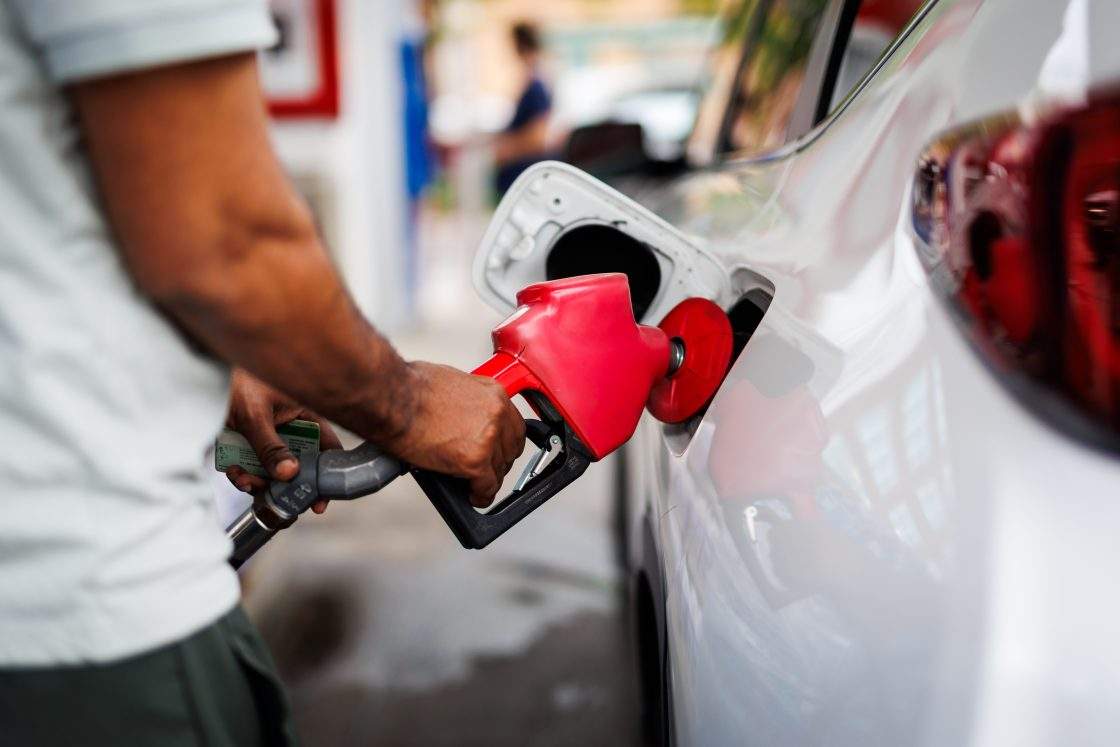
Сонгуулийн дүнгээс үүдэн зах зээлд улс төрийн эрсдэлийн талаарх хүлээлт өөрчлөгдөж, шатахууны үнэ буурах төлөв ажиглагдав.
АНУ-ын завсрын сонгуульд Ардчилсан нам ялалт байгуулсны дараа лхагва гарагт нефтийн үнэ огцом буурчээ. Пүрэв гарагт Ойрх Дорнодын хурцадмал байдал нэмэгдсэнээр үнэ бага зэрэг өссөн ч сонгуулийн өмнөх түвшнээс доогуур хэвээр байв. GasBuddy компанийн нефтийн шинжээч Патрик Де Хаан зах зээлд Ерөнхийлөгч Дональд Трампын бодлогод ирэх улс төрийн дарамтыг тооцож эхэлсэн гэж үзжээ.

U.S. ‘not getting relief anytime soon,’ Obama says on oil prices after Trump’s ‘bad decisions’
Ардчилсан нам ирэх нэгдүгээр сараас АНУ-ын Төлөөлөгчдийн танхим болон Сенатад олонх болохоор байна. Сонгуулийн дараахан Brent маркийн нефть баррель нь 97 ам.доллар, WTI маркийн нефть 90 ам.долларын үнэтэй байсан нь мягмар гарагийн өглөөний түвшнээс тус бүр ойролцоогоор 5, 6 ам.доллароор буурсан үзүүлэлт юм. Энэ долоо хоногт Brent-ийн үнэ 20 хувь, WTI-ийнх 10 хувиар унасан бөгөөд баасан гараг хүртэл энэ түвшинд хадгалагдвал 2020 оны дөрөвдүгээр сараас хойших долоо хоногийн хамгийн их бууралт болох боломжтой.
Ираны дайнтай холбоотойгоор өссөн шатахууны үнэ сонгуулийн гол асуудлын нэг байв. Де Хааны тооцоолсноор Канадын шатахуун түгээх станцуудад ирэх нэгээс хоёр долоо хоногт бензин литр тутамдаа 5–20 цент, дизель түлш 10–20 центээр хямдарч магадгүй ч үнэ өмнөх түвшиндээ шууд хүрэхгүй. Ираны дайны улмаас нефтийн дэд бүтэц сүйдэж, Ормузын хоолойгоор дамжих тээвэр саатсан хэвээр байгаа тул үнэ өндөр, тогтворгүй байх төлөвтэй.

Pain in the gas: Oil surges above $100/barrel again as Iran war reignites
Ираны мэдээлснээр пүрэв гарагт Ормузын хоолойд дахин гурван нефть тээвэрлэгч хөлөг гэмтсэн нь Персийн булан дахь мөргөлдөөн үргэлжилж буй цагт далайн тээвэр эрсдэлтэй хэвээр байгааг харууллаа. Их Британийн Далайн худалдааны ажиллагааны байгууллагын мэдээлснээр ням гарагаас хойш дор хаяж таван хөлөг осол, халдлагад өртсөн бөгөөд лхагва гарагийн орой нэг хөлөг үл таних хоёр суманд оногджээ. Ираны тал Катарын зуучлагчидтай өнгөрсөн долоо хоногоос гал зогсоох саналын талаар хэлэлцэж байгаа ч тохиролцоонд хүрсэн тухай мэдээлээгүй байна. Ираны Дээд удирдагч Можтаба Хаменеи лхагва гарагт АНУ-д бууж өгөх шинж огт гаргаж болохгүй гэж мэдэгдсэн бөгөөд дайны үргэлжлэл нефтийн үнийн хэлбэлзэл, хэрэглэгчдэд очих хөнгөлөлтийн хэмжээнд нөлөөлөхөөр байна.
Дэлгэрэнгүйг эх сурвалжаас харах
↓Эх сурвалжийг нээх ↓
The U.S. midterm elections lay the foundations for a dramatic change in Washington, which saw global oil prices fall in response, and that could soon lead to relief at gas pumps.
Oil prices fell sharply on Wednesday in the hours after the midterm results revealed a decisive win for the Democrats. Prices did tick back up slightly on Thursday amid heightened tensions in the Middle East region, but oil prices as of publication remain well below where they were before the midterm elections.
“Oil prices that had been closer to the highest side since spring are now closer to the lower side of that, and that could provide some meaningful relief,” says Patrick De Haan, head of petroleum analysis at GasBuddy.
“Oil markets are just merely speculating on the pressure now that the president is likely going to feel given the fact that Republicans fared very poorly in the midterms.”
U.S. ‘not getting relief anytime soon,’ Obama says on oil prices after Trump’s ‘bad decisions’
The Democratic Party will take control of both the U.S. House of Representatives and the U.S. Senate starting in January after a massive blue wave that offered a sharp rebuke to U.S. President Donald Trump and the soaring cost of living spurred by his war in Iran and his trade wars.
International oil, known as Brent crude, was US$97 a barrel as of publication, down from about $102 early Tuesday morning just before Democrats were widely projected to win control of the U.S. Congress. Meanwhile, U.S. oil, known as West Texas Intermediate (WTI), was about $90, down from about $96.
So far this week, Brent and WTI prices have fallen about 20 per cent and 10 per cent respectively, and if sustained through to the end of Friday, it would make for the largest weekly drop in oil prices since April 2020.
Higher gas prices amid the Iran war, which was sparked by a joint effort between the U.S. and Israel, was one of the main sticking points for voters in the elections.
“Voters resoundingly rejected the agenda of the last eight months, they rejected higher prices […] and I think that will renew pressure on various politicians, the administration in the U.S., the president to act on resolving the situation with Iran,” says De Haan.
“Whether it gets solved or not is another question, but I think for now, oil markets are recalculating the risk based on the narrative that Americans voted for yesterday.”

Get breaking National news
Get breaking Canada news delivered to your inbox as it happens so you won’t miss a trending story.
The price of oil is determined mostly on expectations for supply and demand, and if there’s significant geopolitical conflict that adds risk to global supply levels, like with the Iran war, then prices typically rise.
Falling global oil prices typically result in lower prices for gasoline at pumps, including in Canada.
De Haan says Canadians should expect to see somewhat lower prices at pumps, but they will still be relatively high for a while because of the continued effects of Trump’s war in Iran, which has destroyed oil infrastructure and caused significant shipping delays through the Strait of Hormuz.
“In the next week or two, and maybe beyond that, we should see prices dip somewhere in the ballpark of five to 20 cents a litre on gasoline, maybe diesel by 10 to 20 cents a litre,” he says.
“Prices are still going to be elevated. They’re not going to immediately crater down to their previous level.”
That kind of discount could mean Canadians will save up to about $10 to fill a 50 litre gas tank.
De Haan also says gas prices are going through a seasonal shift as some oil refineries wrap up a scheduled maintenance period that can lead to a drop in capacity. This means there could be lower prices for some parts of Canada, like the Prairies, not only from the midterm results but also because these refineries are slowly getting back to their normal output levels.
Still, any relief for consumers won’t happen quickly and the situation remains volatile.
Pain in the gas: Oil surges above $100/barrel again as Iran war reignites
Iran reported three more tankers had been damaged in the vital Strait of Hormuz shipping channel on Thursday, making clear that shipping would remain in peril as long as the war in the Gulf is unresolved.
Iranian officials have been meeting with Qatari mediators since last week to discuss proposals to end the hostilities. But neither side has announced any breakthroughs on the major issues that have prevented any peace agreement so far.
Meanwhile, attacks on tankers in the Gulf are still running close to a record pace. At least five vessels have reported incidents since Sunday, according to UK maritime security agency UKMTO, around the same rate as in October when the agency said 35 vessels were hit, the most of any month of the war.
The UKMTO reported that a vessel had been struck by two unidentified projectiles late on Wednesday.
Iran’s Revolutionary Guards, who do not typically acknowledge firing on merchant ships but say the transit route is unsafe without Tehran’s consent, said two tankers had struck naval mines and another had caught fire on Thursday.
On Wednesday Iranian Supreme Leader Ayatollah Mojtaba Khamenei said there should not be “even the slightest inclination towards submission” to the United States, which he said would remain hostile towards Iran no matter which party was in power.
So Canadians may see some relief in the short term, but as long as the Iran war continues to stoke volatility in oil markets, that relief may not be sustainable.
“There’s still the possibility that oil prices go right back up if he [Trump] does launch new attacks on Iran and discards what Americans resoundingly said at the ballot box,” says De Haan.
“There’s more optimism in the States, but that doesn’t definitively mean that the situation is over. It’s still active, and depending on the president’s next move, will determine if oil prices keep going down or if they reverse and go back up.”
– with files from Reuters
© 2026 Global News, a division of Corus Entertainment Inc.

