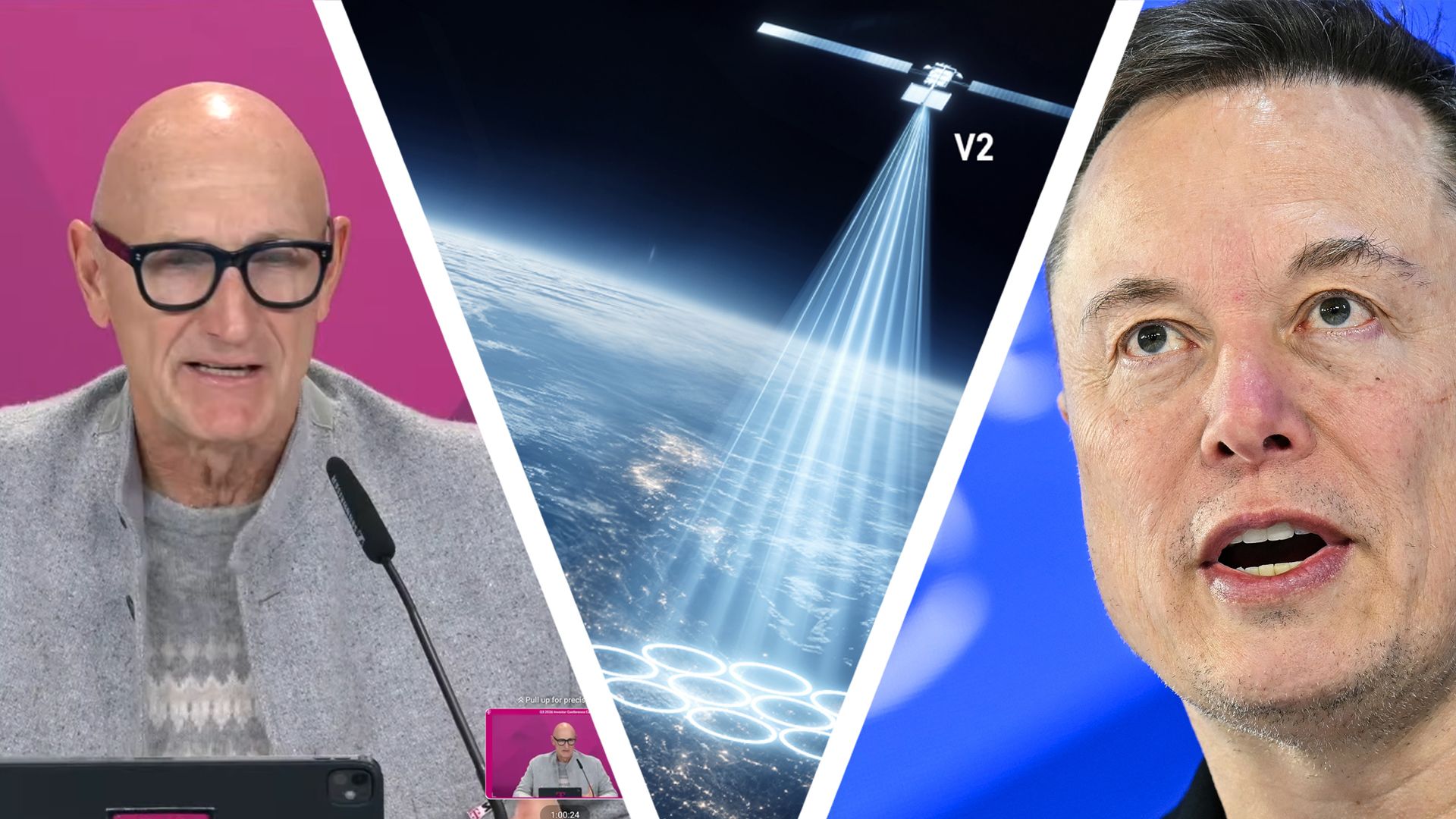
Тим Хёттгесийн тооцоогоор спектр болон газрын дэд бүтцийг бүрдүүлэхэд асар их хөрөнгө шаардлагатай.
Deutsche Telekom-ийн гүйцэтгэх захирал, T-Mobile-ийн ТУЗ-ийн дарга Тим Хёттгес Starlink Mobile-ийн төлөвлөгөөг нухацтай авч үзэж байгаагаа компанийн орлогын тайлангийн хурлын үеэр хэлжээ. Түүний мэдээлснээр Элон Маск одоогоор 76 мегагерцийн спектр эзэмшиж байгаа бол T-Mobile 400 мегагерцтэй бөгөөд Starlink Mobile-д спектрийн нөөцөө нэмэгдүүлэхэд хэдэн зуун тэрбум ам.доллар шаардлагатай байж магадгүй.
Спектрээс гадна газрын сүлжээ байгуулах зардал гарна. T-Mobile 85 мянган цамхагтай бөгөөд цамхаг түрээслэх боломжтой ч антен суурилуулах, сүлжээний дэд бүтэц бүрдүүлэхэд 20–30 тэрбум ам.доллар хэрэгтэй гэж Хёттгес тооцоолжээ. Түүний үзэж буйгаар Starlink Mobile энэ салбарт өрсөлдөхийн тулд дор хаяж 200 тэрбум ам.доллар, магадгүй түүнээс ч их хөрөнгө оруулах шаардлагатай.
Ookla-ийн шинжээч Майк Дано Starlink Mobile Qualcomm-ийн технологид суурилсан радио төхөөрөмж бүтээж, тэдгээрийг улсын хэмжээнд цамхгуудад байрлуулахын зэрэгцээ EchoStar-аас авахыг зорьж буй спектрийг дэмжих олон мянган хиймэл дагуул хөөргөх хэрэгтэйг онцолжээ. Мөн тохирох спектрийн зурвасыг дэмждэг утас худалдах, хэрэглэгч татах борлуулалтын стратеги боловсруулах, сүлжээ нь хэрэглэгчдийн хэрэгцээг хангаж чадах эсэхийг баталгаажуулах шаардлагатай. TMF Associates-ийн Тим Фаррар EchoStar-ын үлдсэн спектрийн хөрөнгийг худалдан авч, цамхаг эзэмшигчидтэй тохиролцох нь хамгийн хурдан зам байж болохыг хэлсэн байна.
Хёттгес Starlink Mobile-ийг Tesla автомашины салбарт шинэ технологиор нэвтэрсэнтэй зүйрлэж, үүнийг уламжлалт үүрэн холбооны операторуудаас өөр төрлийн оролцогч гэж тодорхойлжээ. Тэрээр чипсет, дата төв, AI, хиймэл дагуул, гар утасны үйлчилгээ болон төхөөрөмжийг нэгтгэсэн шинэ харилцаа холбооны хэлбэр бий болж болзошгүйг дурдсан байна. Мэргэжилтнүүд Qualcomm-тай байгуулсан хамтын ажиллагааг АНУ-ын үндэсний хэмжээний дөрөв дэх том үүрэн холбооны сүлжээ болох замын чухал алхам гэж үзэж байгаа ч энэ үйл явц хэдэн жил үргэлжилж магадгүй.
Дэлгэрэнгүйг эх сурвалжаас харах
↓Эх сурвалжийг нээх ↓
- The chairman of T-Mobile and CEO of its parent company has commented on Starlink Mobile
- He argues that a $200 billion investment in spectrum and infrastructure is needed for it to compete
- Despite that, he’s taking it seriously and sees parallels with Tesla and the car industry
Between partnering with Qualcomm and getting the green light to operate internationally, SpaceX has taken some major steps towards making Starlink Mobile a rival to the big carriers. And that’s just been acknowledged by Tim Höttges — the chairman of T-Mobile and CEO of its parent company, Deutsche Telekom — in a recent earnings call where he said that “I take his [Elon Musk] attempt serious [sic].”
In the Deutsche Telekom conference call, Höttges went on to highlight just how much work — and investment — will be required for this attempt to actually deliver a real rival.
Firstly, Starlink Mobile will likely require a lot more spectrum than it currently has, with Höttges saying “he [Musk] has now bought 76 megahertz of spectrum. By the way, we have 400 megahertz. So if you now say, okay, he can buy the spectrum prospectively, do your math. These are kind of triple digit billions, which are needed to gain the spectrum position.”
A “$200 billion” investment
And it’s not just spectrum — Starlink Mobile will also need a lot of infrastructure on the ground, with Höttges explaining that “then he has to build a network. I can tell you, we have 85,000 towers. No, he can rent towers, no question. But this is another $20 billion to $30 billion, which are required. Put antennas on it. Okay, you can buy antennas and you can get maybe even in a cheaper way or you construct it in a new way, but you need money for that.”
Between all that, Höttges concludes that Starlink Mobile will need “at least minimum $200 billion” to “play” in this industry, and likely more. And even then, it’s an industry which Höttges argues T-Mobile and the other major carriers have “professionalized over the last twenty years” — suggesting that even with that investment, Starlink Mobile will lack the experience of the other carriers.
Still, it doesn’t sound like Höttges is totally counting Musk’s telecom dreams out, remarking at the end of all that “welcome to the party.” So this looks set to be a long and expensive road for SpaceX and Starlink Mobile — and experts mostly agree that becoming the fourth big mobile network in the US will be a major challenge…
Analysis: A long game, but there are Tesla parallels
From electric cars to aerospace, Elon Musk has an unrivaled track record of disrupting industries — but turning Starlink Mobile into a true rival to the network giants could be one of his biggest challenges yet.
“There are a wide variety of challenges and roadblocks that stand in the way of Starlink Mobile,” Ookla’s Lead Industry Analyst, Mike Dano, told us. “For example, it must build radios based on Qualcomm’s technology. Then it must affix those radios atop cell towers nationwide. Then it must launch thousands of new satellites that support the spectrum it’s working to purchase from EchoStar,” he said.
And that’s far from the end of the list. “Then it will need to sell phones that support the various spectrum bands it hopes to use in its network. Then it will need to create an effective retail strategy to entice customers away from existing cellular providers in the U.S. And there’s still an outstanding question about whether a future Starlink Mobile network will be robust enough to support users’ needs,” he added.
However, Dano says that Starlink Mobile’s Qualcomm agreement this week was a big step towards it becoming “a credible fourth nationwide mobile network provider in the U.S”, even if that process will “take several years”.
Telecoms expert Tim Farrar, President at TMF Associates, agrees that an EchoStar deal is the most likely key to unlocking the spectrum that T-Mobile’s Tim Höttges referred to in the earnings call. “I think a purchase of the remaining EchoStar spectrum assets and a settlement with the tower companies is the easiest and quickest way to go about that”, he said, referring to those missing pieces for Qualcomm’s equipment.
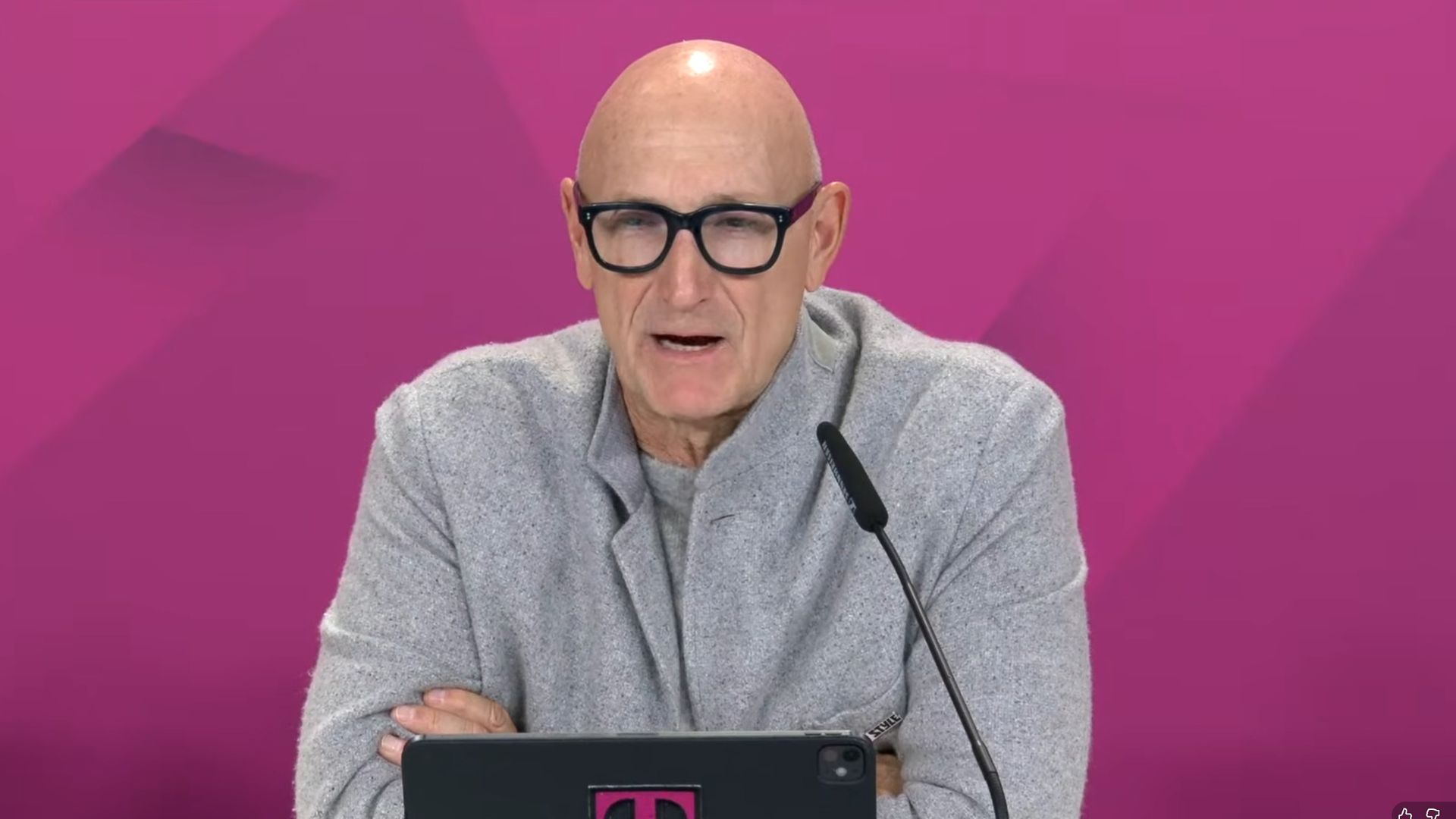
Still, we can expect this story to develop quickly in 2027, and Tim Höttges is well aware of the parallels with the car industry, which Tesla disrupted with new technology. “I would compare it with let’s say inventing Tesla and bringing electromobility into a kind of legacy combustion engine industry. That is the same moment we have and this moment is now here,” he said.
“We have a new kind of player who is coming to the ecosystem. He has chipsets, he has data centers, he has AI, he has satellites, he wants to go for mobile services and he goes for handsets. He will go as well for maybe integrating social media or at least agent models into his service. So he is creating a new way of communication services — it’s not that you can compare it ‘mobile to mobile’,” he added.
“That is why I’m saying I take that super serious because I was witnessing what happened to the car industry — they were ignoring it for too long and we have to face the situation.” In other words, expect this to be a major theme of 2027, even if the full story could take years to play out.

