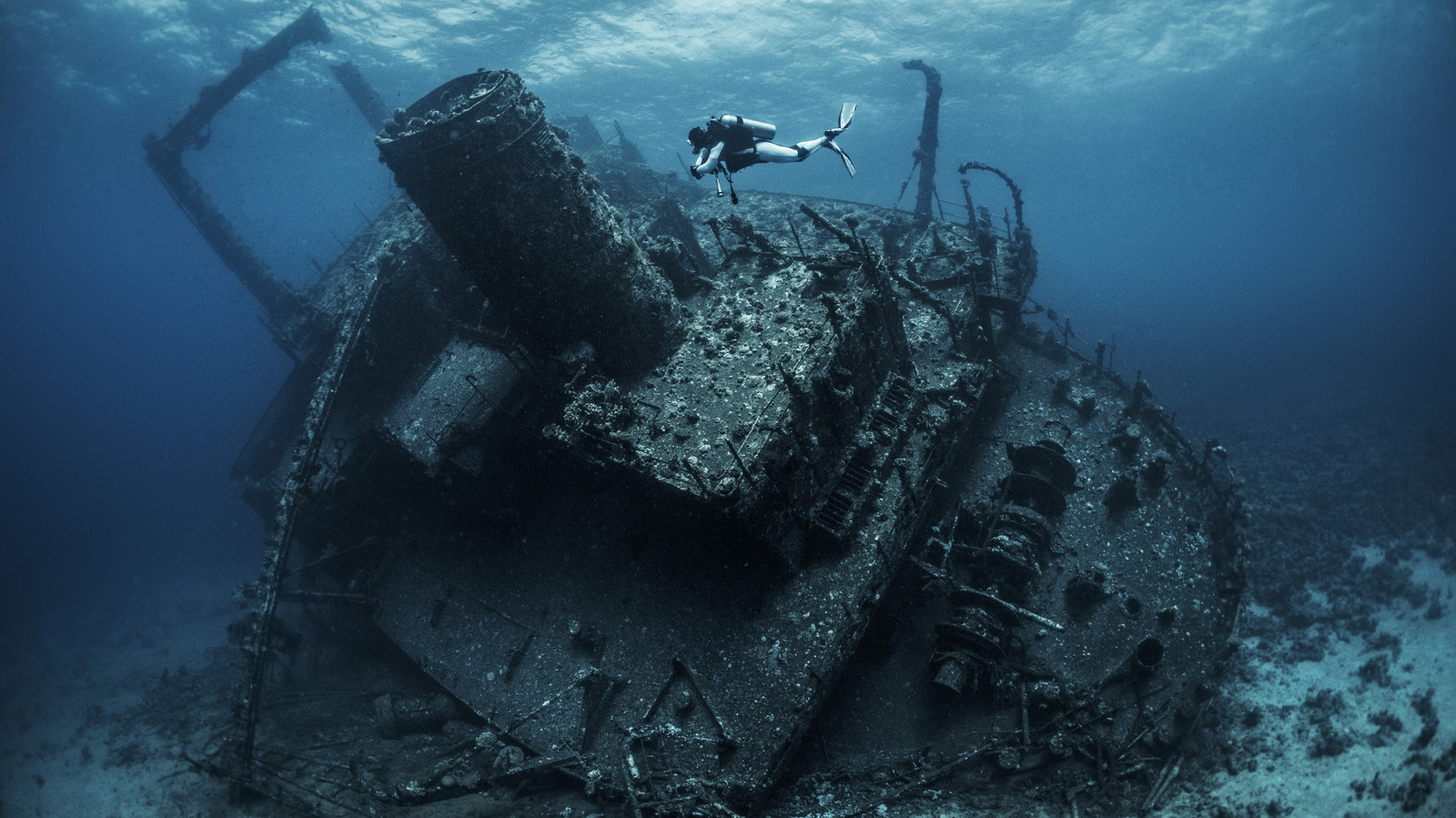
Дэлхийн далайн ёроолын 28.7 хувь нь л зураглагдсан бөгөөд судлаачид гурван сая гаруй хөлөг онгоцны үлдэгдэл илрээгүй байж болзошгүй гэж тооцоолжээ.
АНУ-ын Далай, агаар мандлын үндэсний захиргааны мэдээллээр далай дэлхийн гадаргын ойролцоогоор 70 хувийг эзэлдэг бөгөөд усны 90 гаруй хувь нь 200 метрээс гүн. ЮНЕСКО-гийн тооцоогоор далайн ёроолд илрээгүй гурван сая гаруй сүйрсэн хөлөг байж болох ч тэдгээрийн нэг хүрэхгүй хувийг судалсан байна.
Дэлхийн усан онгоцны сүйрлийн мэдээллийн санд одоогоор 250 мянга орчим байршил бүртгэгджээ. Шинэ олдворууд бүртгэгдсээр байгаа ч модон хөлөг цаг хугацааны явцад задарч алга болдог тул сүйрлийг илрүүлэх, тоо бүртгэлд оруулахад хүндрэлтэй. Туркийн эргээс олдсон, 4,500 орчим жилийн настай сүйрсэн хөлгийн их бие бараг устсан ч тос, дарс, модны давирхай тээвэрлэж байсан шавар савнууд харьцангуй бүтэн үлджээ.
Сүүлийн арван жилд 905 хөлөг онгоцны сүйрэл бүртгэгдсэн бол NOAA-гийн Далайн эргийн зураглалын алба Хойд Америкийн усан замд 10 мянга хүртэлх сүйрсэн хөлөг байж болзошгүй гэж үздэг. Дэлхийн II дайны үеэр 13 мянга гаруй хөлөг живсэн бөгөөд Колумбийн гол Номхон далайд цутгадаг хэсэгт 2,000 гаруй хөлөг сүйрчээ. Мөн шуурга, хар салхи зэрэг байгалийн үзэгдэл хөлөг онгоцны сүйрэлд хүргэдэг.
Дэлгэрэнгүйг эх сурвалжаас харах
Эх сурвалжийг нээх ↓
The National Oceanic and Atmospheric Administration (NOAA) states that the ocean coversabout 139 million square miles, orroughly 70% of our little Blue Marble’s surface.On average, that water is 12,080 feet deep, or well over two miles.However, that’s nothing compared tothe planet’s deepest point,which lies in the Western North Pacific Ocean, east of the Philippines and south of Japan. TheMariana Trench not onlystretches over 1,580 miles and averages 43 miles wide,but also reaches a staggering depth of 36,021 feet (almost 7 miles).
What’s more, over90% of all that water is what’s considered “deep ocean,” with depths of more than656 feet. Current estimates suggest that only 28.7% of our planet’s entire seafloor has been mapped.Considering all of these facts, the easy, obvious answer is: We probably won’t ever know how many shipwrecks have happened all around the world— at least given our current level of technology.
There’s a historical challenge to the question as well. The oldest human-built boat we know of is about 10,000 years old, but seafaring people were almost certainly exploring the world long before that. Evidence suggests a band of hunter-gatherers traveled from Southeast Asia across hundreds of miles of islands to what is now New South Wales, Australia — by boat, some50,000 years ago — and became its firstAboriginal people. That’s a long time for shipwrecks to accumulate. Still, the United Nations Educational, Scientific and Cultural Organization (UNESCO) estimates that over 3 million undiscovered shipwrecks lie on ocean floors, andless than 1% have been explored.
Shipwrecks happen all the time
Kat Harrison/Getty Images
The Global Maritime Wrecks Database (GMWD) has only250,000 of those estimated 3 million wreck locations on file, with newshipwrecks constantly being found. Further clouding the waters, older wooden ships tend to break down over time. Recently, a team of archaeologists found what is currently accepted as the oldest shipwreck discovered so far,dating back 4,500 years (2700 – 2400 BCE). The ship itself, which sank off the coast of Turkey, has dissolved into almost nothingness, but its cargo of pottery vessels of oil, wine, and tree resin remained relatively intact.
Let’s break down some other numbers, Barney-style.In the last decade alone,905 shipwrecks have been recorded.NOAA’s Office of Coast Survey (OCS), which “only” began in 1807, believes as many as 10,000 wrecked ships lie in North America’s waterways.All that pales in comparison, though, to the global conflagration that wasWorld War II, where over 13,000 shipswere sunk.
Then, of course, we have Mother Nature, who creates high winds, rough seas, squalls, hurricanes, and typhoons …in addition to what’s known as the “Graveyard of the Pacific.”The Columbia River Baris where the Columbia River collides with the Pacific Ocean and has claimed over 2,000 ships so far. Bottom line: Certain places on the planet, as well as man-made cataclysmic world events, have and will continue to cause massive losses of both lives and ships, many of which we’ll simply never know about.

