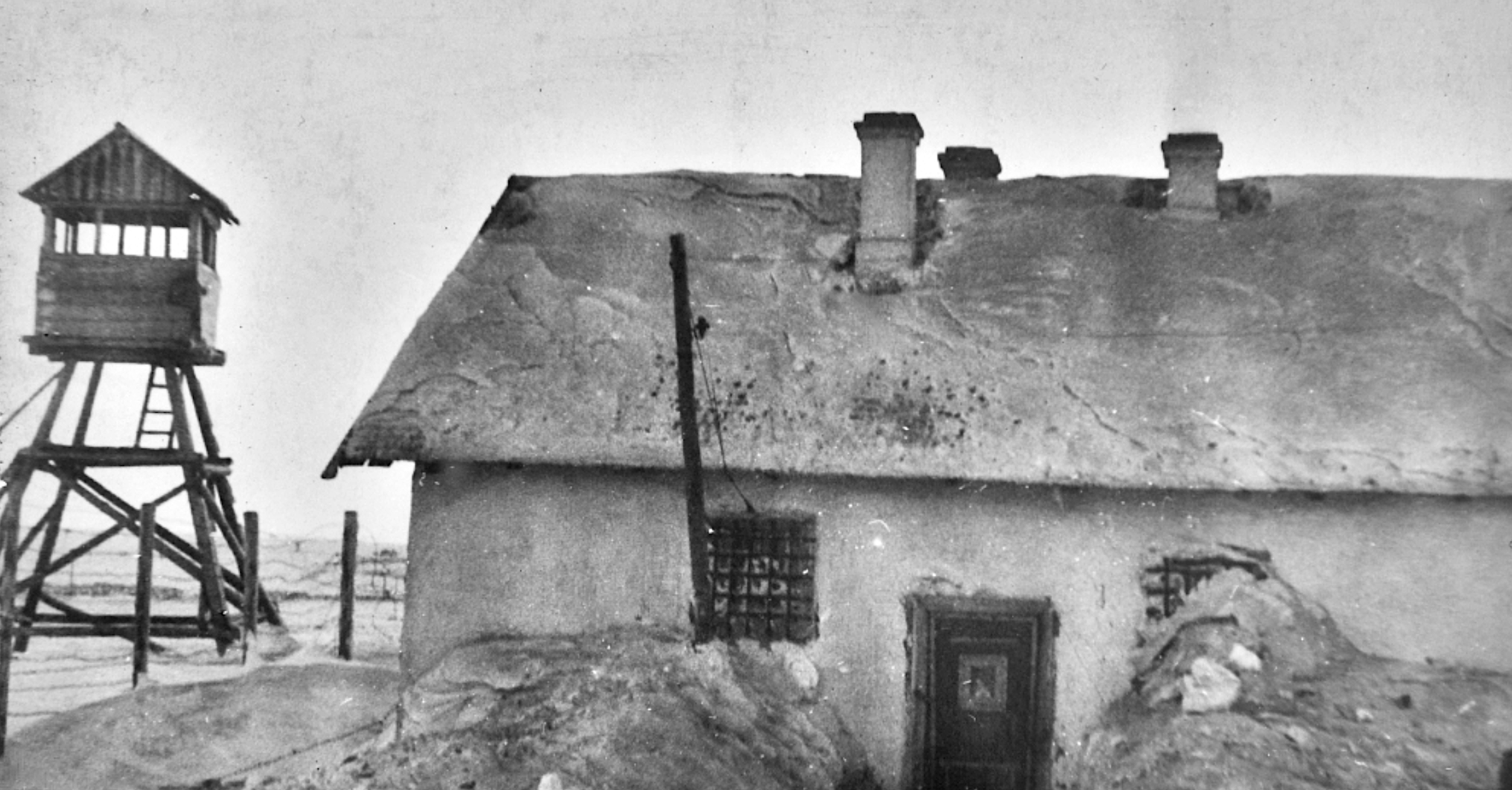
Зөвлөлтийн албадан хөдөлмөрийн болон хорих лагериудын сүлжээ болох ГУЛАГ нь 1930 оноос эхлэн гэмт хэрэгтнүүд болон төрийн эсрэг үзэлтэн гэгдэх хүмүүсийг хорих зорилгоор ашиглагдаж байсан түүхтэй.
Нэршил ба зорилго
ГУЛАГ гэдэг нь Оросын “Засан хүмүүжүүлэх хөдөлмөрийн лагериудын ерөнхий газар” гэсэн товчилсон нэр юм. Энэхүү тогтолцоог Зөвлөлтийн аюулаас хамгаалах байгууллага болох ОГПУ (хожим 1934 онд НКВД болж өөрчлөгдсөн) хянадаг байв. ГУЛАГ-ын тогтолцоо албан ёсоор 1930 онд эхэлсэн ч, үүний үндэс нь Оросын иргэний дайны (1917–1922) үеэс эхлэлтэй жижиг лагериудын системд суурилжээ. Лагериуд нь ихэвчлэн 2,000-аас 10,000 хүртэлх хоригдлыг багтаадаг байв.
Тогтолцооны үндсэн зорилго нь хоригдлуудын хөдөлмөрөөр дамжуулан улсын эдийн засгийн ашиг олох, “төрийн дайснууд”-ыг нийгмээс тусгаарлах явдал байв. Хэдийгээр коммунист намын удирдлага хоригдлуудыг хөдөлмөрөөр дамжуулан “засан хүмүүжүүлэх” тухай ярьдаг байсан ч, бодит байдал дээр улс төрийн хэлмэгдүүлэлт болон эдийн засгийн төлөвлөгөөг биелүүлэхэд гол анхаарлаа хандуулж байлаа.
Хэн ГУЛАГ-т хоригдож байв?
Зөвлөлтийн нийгмийн бүхий л давхаргын хүмүүс лагериудад хоригдож байсан бөгөөд үүнд Сталины хөдөө аж ахуйг хамтралжуулах бодлогыг эсэргүүцсэн тариачид (“кулакууд”), аж үйлдвэрлэлийн таван жилийн төлөвлөгөөг биелүүлээгүй ажилчид, сэхээтнүүд, эрдэмтэд, шашны тэргүүнүүд болон намын өрсөлдөгчид багтаж байв. 1930-аад оны Их хэлмэгдүүлэлтийн үеэр Сталин өөрийн засаглалд сэжигтэй санагдсан хэнийг ч лагериуд руу илгээдэг байлаа. 1935 онд гэмт хэргийн хариуцлага хүлээх насны доод хязгаарыг 12 болгон бууруулсан нь хүүхдүүд ч хэлмэгдүүлэлтэд өртөх эрсдэлтэй болсныг харуулна.
Ажилчид болон тариачид нь лагерийн хоригдлуудын дийлэнх хэсгийг бүрдүүлж байсан бөгөөд тэднийг үйлдвэрийн тоног төхөөрөмжийг сүйтгэсэн, эсхүл ажлаас хоцорсон гэх мэт шалихгүй шалтгаанаар шийтгэдэг байв. Дэлхийн хоёрдугаар дайны үеэр 1.1 сая хоригдлыг суллаж, үйлдвэрлэлийн хүч болгон дайчилсан бол, дайны дараа олзлогдсон цэргүүд болон тагнуул байж болзошгүй гэж сэжиглэгдсэн хүмүүсийг олноор нь лагериуд руу илгээсэн юм.
Дэлгэрэнгүйг эх сурвалжаас харах
↓Эх сурвалжийг нээх ↓
Joseph Stalin’s gulag system was a network of labour camps across the USSR, which were, from 1930, used to detain criminals and anyone considered enemies of the state. A wide spectrum of Soviet society found themselves deported to these remote camps, including farmers who resisted Stalin’s collectivisation of agriculture, workers who failed to meet up to Stalin’s Five-Year Plans for Industry, intellectuals, scientists, religious leaders, and Communist Party rivals. The Soviet economy came to depend on what was effectively a form of slave labour where inmates worked in mines, lumber yards, and on state projects like new roads and canals. The gulag camps, where millions died of starvation and overwork, continued to operate until 1960.
Gulag Labour Camp, Russia
Name & Purpose
The gulag system was a network of forced labour and detention camps spread across the USSR. The name derives from the Russian acronym for the administrative body charged with managing the labour camps: the Chief Administration of Corrective Labour Camps. Gulag was itself supervised by the Soviet secret police, the OGPU, which was the successor to Lenin’s Cheka secret police but was rebranded as the NKVD in 1934. The gulag system began operation in 1930, but it was built upon an existing, although much smaller, system of camps which had been in use since the Russian Civil War (1917-22).
Gulag camps held anywhere from 2,000 to 10,000 people.
The gulag camps were designed, through the labour of their inmates, not only to be self-sufficient but to make a profit for the state. There was some talk amongst the Communist Party leadership of rehabilitating detainees through labour – hence the name “corrective” in the camps’ official title – but the overwhelming priority, at least in the early years, was to permanently remove enemies of the state from the general population and act as a deterrent for those on the outside. As Stalin’s grip on power grew through the 1930s, the labour value of Gulag inmates was directly considered in the state’s economic planning.
Who Was Sent to the Gulags?
People were first sent to the gulag camps for such vague crimes as ‘propaganda or agitation’ against the state and the Communist Party, and the sabotage of, theft from, and refusal to join state projects like collective farms. Around one million land-owning farmers, called kulaks by the state, were imprisoned in labour camps.
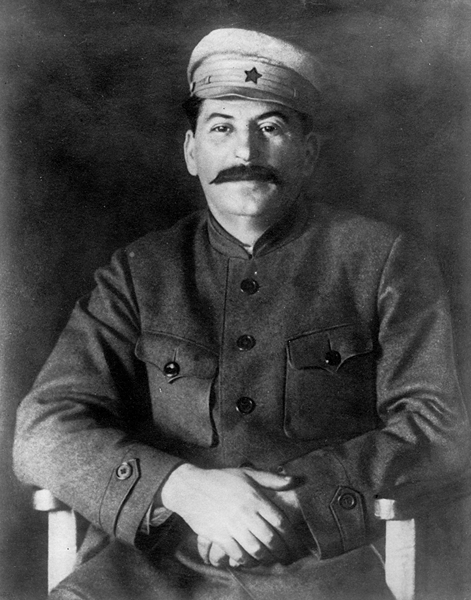
Joseph Stalin, 1920
As Stalin further indulged his paranoia in the Great Purge of the 1930s, anyone remotely suspected of opposing his vision of life in the USSR was targeted. All manner of people were sent to the camps, particularly those most likely to oppose a repressive regime: intellectuals, economists, scientists, engineers, artists of all kinds, nationalists, Christian and Jewish religious leaders, members of the military, and even suspect members of the ruling Communist Party. It is important to note that often the partners and children of suspects were also detained. Children were tortured to implicate their parents. Ordinary criminals were also sent to the camps. In 1935, the age of criminal responsibility was lowered to 12 years of age. In short, very few Soviet people of any class or any age could regard themselves as safe from arrest and imprisonment. Not for nothing is Stalin’s Great Purge also called the Great Terror.
Despite the specific target groups mentioned above, the majority of inmates within the camps remained workers and peasants who either directly resisted Stalin’s collectivisation of agriculture and his industrialisation drive, or those who had failed to meet the targets set in these massive state-backed projects. Working people found themselves in the gulags because of ‘crimes’ ranging from sabotage of factory machinery to stealing a mere handful of grain. When Stalin introduced draconian regulations in the workplace in 1931 in an effort to increase productivity and meet the hugely ambitious targets of the five-year plans, such trivial misdemeanours as absenteeism or being late for work could result in being sent to a labour camp.
As Stalin’s regime became more repressive, so the gulag population came to consist of more and more ‘enemies of the state.’ “The GULAG population sentenced for ‘counter-revolutionary offences’ was 12.6 per cent in 1936 and 33.1 per cent in 1940” (Freeze, 369). Around 1.1 million gulag prisoners were released during the Second World War (1939-45) in order to make up for the holes in the industrial workforce that conscription had made. In the other direction, thousands of Soviet soldiers who had once been prisoners of war but were subsequently released were, in any case, sent to the gulags merely because Stalin had dictated that no soldier should ever be taken alive, and he feared collaborators and spies were amongst them.
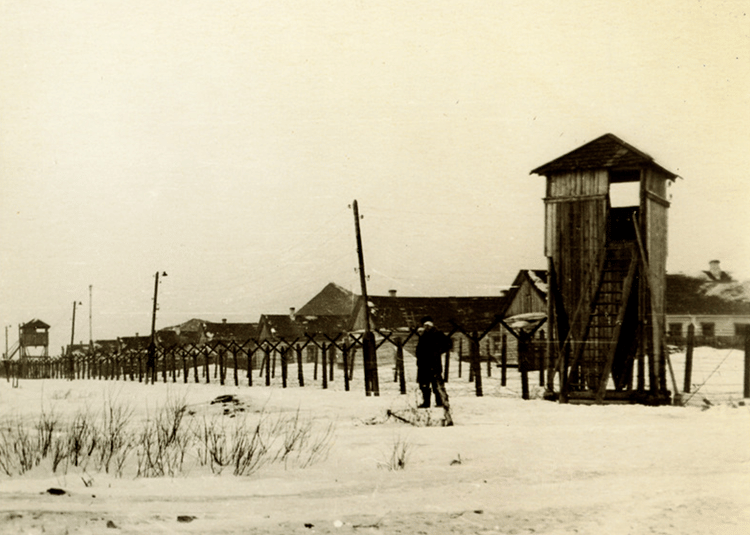
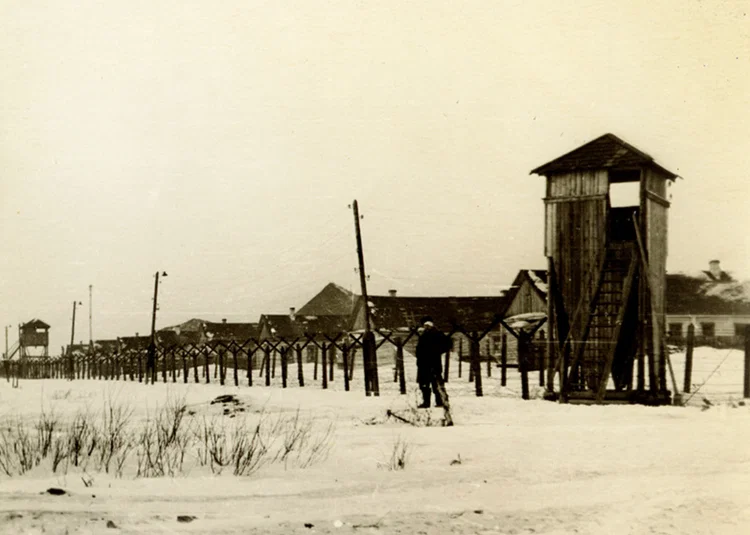
Soviet Gulag, Estonia
Conditions in the Camps
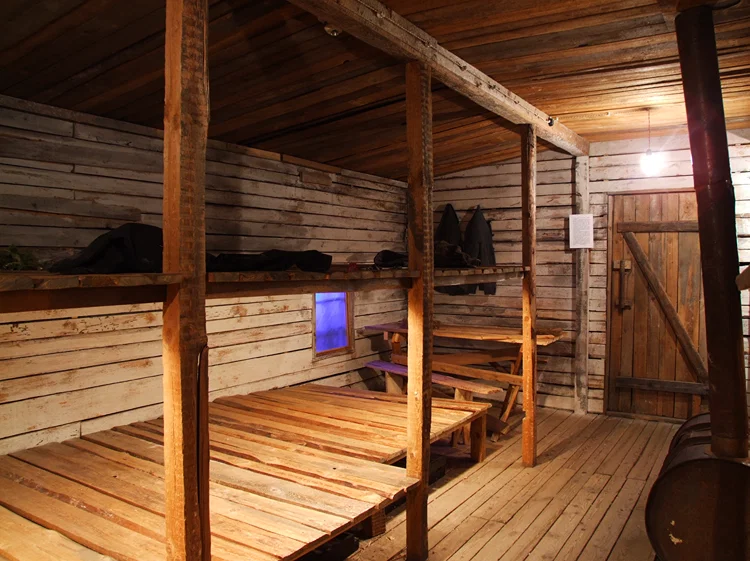
Camps held anywhere from 2,000 to 10,000 people and were typically located in remote areas with harsh climates. The journey alone, which usually involved time in transit camps and inhuman conditions on trains, claimed many lives. New arrivals at a camp were often immediately robbed by other inmates of any valuable possessions such as good boots or a warm coat. Accommodation was basic, typically overcrowded barracks where the only beds were mattresses filled with sawdust. Such heating as there was came from a single stove with an inadequate supply of coal dust. In the depths of winter, the stove merely thawed a little of the ice that clung to the interior of the hut’s walls. Diseases were rife. Barbed wire and guards kept the inmates from escaping.
Outdoing one’s quota of labour might earn an extra food ration, failure resulted in a reduction.
Gulag inmates were expected to work, usually on such menial tasks as chopping down trees or digging works as part of state construction projects like road building, dam construction, and extending the existing canal and railway systems. Some camps sent detainees to work in mines. Those who refused to work risked losing their meagre food rations. More persuasive measures included beatings, solitary confinement, and being made to stand naked in the snow. It was not uncommon that inmates who refused to work were simply shot. As in other prison camps through history, a hierarchy developed of slightly favoured inmates, who could lord it over those less favoured, imposing beatings and avoiding the less arduous work the majority had to endure.
Outdoing one’s quota of labour might earn an extra ration, failure a reduction. A standard ration could be 800 grammes (28 oz) of very substandard bread per day with a thin soup fleshed out with a piece or two of salted fish and a few oats or other cereal. On near-starvation rations, gulag inmates were expected to work until they dropped. Certainly, the chances of surviving one’s prison term, if it were one of many years, were slim:
As to the death-rate in camps, a figure of 10 per cent in 1933, rising to 20 per cent in 1938, is probably conservative, but even so would mean a death rate annually of well over one million persons for the purge years. Given that 10 years was a standard sentence, it can easily be seen that only a small fraction of those convicted can have survived.
(Brown, 110)
Further, since “sentences were normally prolonged on completion, or at best commuted to forced settlement in the camp area, the inmates’ status was tantamount to that of slaves” (Tucker, 173).
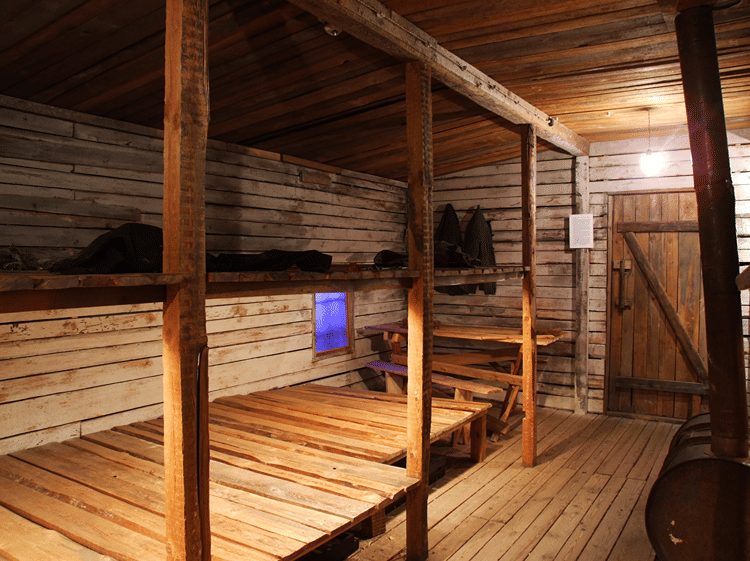
Gulag Hut Interior
The camps were poorly managed: “three-quarters of the camp administrators did not even have a secondary education” (Freeze, 416). Basic food supplies could be erratic, as told here by one gulag inmate, Tamara Petkevich:
One day there was no bread delivery to the camp, then two days, then three. Twice a day we were given only a bowl of thin balanda [prison soup]. The camp commandant issued an instruction not to send people to work.
We couldn’t fall asleep. The barrack doors were wide open. The steppe resonated in the distance. The commandant’s voice was heard through the open doors. He was in his office, talking over the phone to the town officials: “…Five days and no bread! The camp isn’t working! I can’t let people starve behind the barbed wire…If you don’t ship bread tomorrow, I’ll open the gates and set them all free, everyone who’s still able to stand on their feet!”
(Berlatsky, 164)
Perhaps the greatest insight into what went on in the gulag camps came from Alexander Solzhenitsyn, a former inmate who wrote of his experiences in his 1962 serialised novel One Day in the Life of Ivan Denisovich and then in his internationally acclaimed book of 1973, The Gulag Archipelago (which later became a trilogy). These works are quasi-historical but based on Solzhenitsyn’s personal experiences and accounts from fellow prisoners. Solzhenitsyn does state in his preface to the latter work that all names and events described in the book are based on reality. Solzhenitsyn had been arrested in 1945 for suspect views expressed in his private correspondence. He was interrogated, put under surveillance, and finally sent to a labour camp for eight years. He won the Nobel Prize for Literature in 1970, but was exiled from the USSR in 1974. Solzhenitsyn here describes one of the cells he was kept prisoner in:
One of the truths you learn in prison is that the world is small, very small indeed…Oh what a cell it had been in 1946: the memories of it returned….It was July. They had taken me from the camp…on those mysterious “instructions of the Minister of Internal Affairs.” We arrived after lunch, but the prison was so overloaded that the reception processing took eleven hours, and it was not until 3 A.M. that…I was admitted to Cell 75. Lit by two bright electric bulbs below the two domes, the whole cell slept side by side, restless because of the stuffiness: the hot July air couldn’t circulate though the windows were blocked by the “muzzles” [metal grates]. Sleepless flies kept buzzing, and the sleepers twitched when the flies lit on them. Some of the prisoners had put handkerchiefs over their faces to keep the light out of their eyes. The latrine barrel smelled acrid–everything decayed more quickly in such heat. Eighty people were stuffed into a cell for twenty-five–and this was not the limit either. Prisoners lay tightly packed together on the bunks to the left and right and also on the supplementary planks laid across the aisle, and everywhere feet were sticking out from under the bunks.
(598)
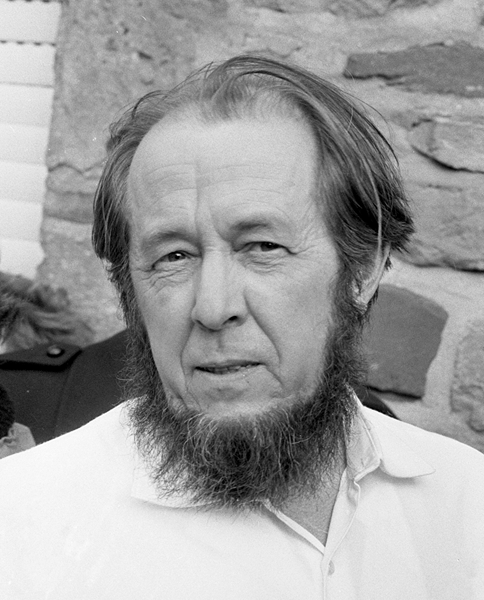
Alexander Solzhenitsyn
The End of the Gulag System
When Stalin died in March 1953, there were still around 2.4 million people detained in the gulags. Although Stalin’s successor as leader of the USSR, Nikita Khrushchev, oversaw a period of less repression, the gulag system continued. The sprawling system of camps, though, became more and more difficult to manage, with serious riots occurring at Gorlag (Norilsk) in 1953, Steplag in 1954, Kolyma in 1955, and Ozerlag in 1956. There remained around 950,000 gulag inmates spread across 46 labour camps and 524 labour colonies in 1956. It would take several more years of ‘rehabilitation’ programmes for these prisoners to be released. The gulag system was finally closed down in 1960. How many people died in the camps is not known, as precise records are lacking; estimates vary from one to several million people.
The pointless suffering of those in the gulags is captured here in a poem by Aleksandr Tvardovsky, published in the Soviet paper Izvestiya in August 1963.
There–now on row, according to years,
Kolyma, Magadan,
Vorkuta and Narym
Marched in invisible columns.
The region of eternal frost
Wrote men off to eternity,
Moved them from the category of “living”
To that of “dead” (little difference between them)–
Behind that barbed wire
White and grizzled–
With that Special Article of the law code
Clipped to their case files.
Who and what for and by whose will–
Figure it out, History.
(Conquest, 340)

