АНУ-ын завсрын сонгуулийн дараа Ирантай хийх шууд бус хэлэлцээ идэвхжиж, Катарын зуучлалтай дипломат хүчин чармайлт шинэ шатанд орлоо.
Ерөнхийлөгч Дональд Трампын дайны бодлогыг сонгогчид няцаасан гэж олон хүн үзсэн АНУ-ын сонгуулийн дараа хэлэлцээний уур амьсгал өөрчлөгдсөнийг шинжээчид онцолж байна. Катар зуучлалын гол үүрэг гүйцэтгэж, Пакистан, Орос, Хятад зэрэг улс ч дипломат харилцаанд оролцжээ. Даваа гарагт Трамп, дэд ерөнхийлөгч Жей Ди Вэнс нар Цагаан ордонд Катарын Ерөнхий сайд бөгөөд Гадаад хэргийн сайд Шейх Мохаммед бин Абдулрахман Аль Тани хүлээн авч уулзав.
Энэ дипломат идэвхжил АНУ Ираны эсрэг шинэ цохилт өгөхөд бэлэн байдлаа нэмэгдүүлснээс хэдхэн долоо хоногийн дараа өрнөж байна. Завсрын сонгуулийн дараа Трампын засаг захиргаа гүүр болон иргэний дэд бүтцэд цохилт өгөх хувилбар хэлэлцэж байсан тухай мэдээлэл гарч, Иран хариу арга хэмжээ авахаа мэдэгдсэн юм. Өнгөрсөн пүрэв гарагт Ираны Гадаад хэргийн сайд Аббас Арагчи Саудын Араб, АНЭУ, Катар, Йордан, Кувейт, Пакистан, Туркийн гадаад хэргийн сайд нартай ярилцжээ.
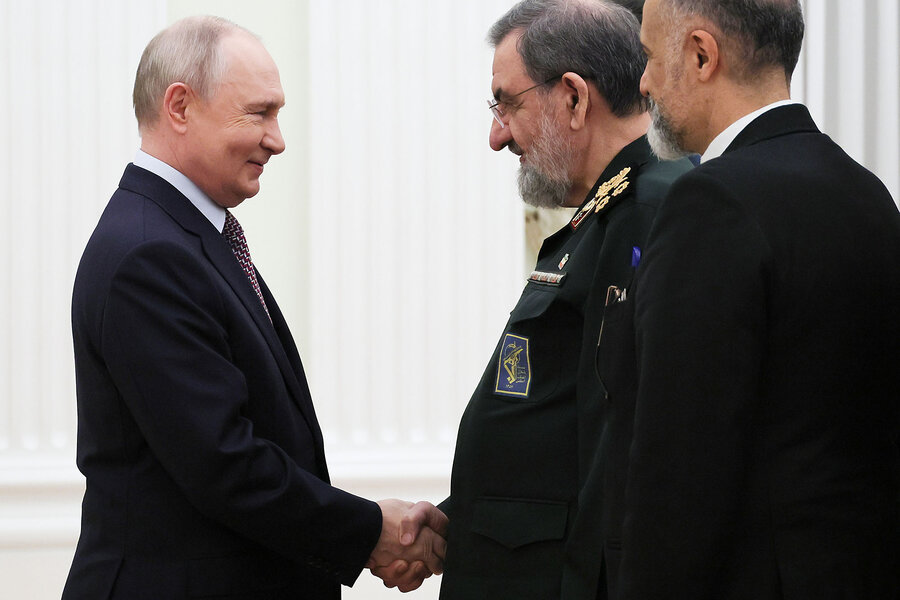
Иракийн Ерөнхий сайд Али аль-Зайди баасан гарагт Тегеранд Ираны гол хэлэлцээч Мохаммад Багер Галибафтай уулзсан бөгөөд уг айлчлал хурцадмал байдлыг намжаах суваг нээх зорилготой байсан гэж “The National” мэдээлсэн байна. Мөн Ираны Үндэсний аюулгүй байдлын дээд зөвлөлийн нарийн бичгийн дарга Мохсен Резаи ОХУ-ын Ерөнхийлөгч Владимир Путинтэй Москвад уулзаж, Хятад улс Иран болон Персийн булангийн Арабын орнуудтай дипломат харилцаагаа идэвхжүүлжээ. Трамп ням гарагт хэлэлцээ үргэлжилбэл Иранд дахин цохилт өгөх магадлал бага гэж мэдэгдсэн бол Арагчи АНУ-ын сонгуулийн үр дүнг “цочирдом” хэмээн тодорхойлсон байна.
Хэлэлцэж буй тохиролцоонд Ираны цөмийн хөтөлбөрт хяналт тавих, АНУ-ын хоригийг цуцлах, Ормузын хоолойн бүслэлтийг зогсоох зэрэг харилцан алхам багтаж байгаа аж. Харин эхний алхмыг аль тал хийх тухай дараалал гол асуудал болж байгааг Туркийн тагнуулын байгууллагын тэргүүн Ибрахим Калын хэлээд, өчүүхэн хэрэг явдал бүс нутгийн мөргөлдөөнийг дахин өдөөж болзошгүйг анхааруулжээ. АНУ-ын Төв командлал бэлэн байдлаа хадгалж, нисэх онгоц тээгч хөлөг болон Тэнгисийн явган цэргийн хүч Ойрх Дорнодыг чиглэн явж байгаа бол Ираны Хувьсгалт гвард ням гарагт дайн цэрэг, эдийн засгийн хүрээнд үргэлжилж буйг мэдэгдсэн байна.
Дэлгэрэнгүйг эх сурвалжаас харах
↓Эх сурвалжийг нээх ↓
Amman, Jordan
|
Nov. 09, 2026, 4:38 p.m. ET
|
4 min read
Last week’s elections in the United States brought more than a blue wave, experts say; they lifted diplomacy surrounding the Iran war above turbulent waters.
Indirect talks between the U.S. and Iran have accelerated since the midterms, which were viewed by many as a rebuke of President Donald Trump’s war of choice. Qatar has brokered the diplomacy, and intermediaries have ranged from Pakistan to Russia to China.
At the White House on Monday, President Donald Trump and Vice President JD Vance hosted Qatari Prime Minister Sheikh Mohammed al Thani. He also serves as foreign minister and is spearheading the latest mediation push.
The diplomatic revival begins just a few weeks after the U.S. ramped up military preparedness for fresh strikes against Iran. Multiple reports said the Trump administration was prepared to attack bridges and civilian infrastructure following the midterms. Iran vowed to retaliate in kind.
“After the midterms, because of the blue wave, things have now changed,” Dr. Abdulla Banndar al-Etaibi, assistant professor of political science at Qatar University, says of the atmosphere surrounding talks. “This created more space, a chance for mediators to push further.”
It’s not yet clear, however, whether mediators can capitalize on the reprieve, or whether an emboldened Iran or impatient U.S. may reignite the conflict.
Flurry of contacts
Last Thursday, two days after the U.S. elections, Iranian Foreign Minister Abbas Araghchi spoke with his counterparts from Saudi Arabia, the United Arab Emirates, Qatar, Jordan, and Kuwait – all countries Iran and its proxies have targeted throughout the war – as well as Pakistan and Turkey.
Iraqi Prime Minister Ali al-Zaidi met with Iran’s chief negotiator, Mohammad Baqer Qalibaf, in Tehran on Friday, the Iranian Fars News Agency reported. The UAE newspaper The National said the visit was at the behest of the Trump administration, to “open a channel for de-escalation.”
Mark Schiefelbein/AP
Sheikh Mohammed al Thani, the prime minister of Qatar, smiles during a gathering of President Donald Trump’s Board of Peace, in Washington, Feb. 19, 2026.
States from outside the region are also involved.
Mohsen Rezaei, secretary of Iran’s Supreme National Security Council, met in Moscow on Thursday with Russian President Vladimir Putin, carrying a message from Iran’s Ayatollah Mojtaba Khamenei, Iranian state media reported. Last week, China embarked on a flurry of diplomatic activity with Iran and Gulf Arab states.
Even the tone used by President Trump and Iranian mediators has changed.
Mr. Trump said Sunday on CNN he was “highly unlikely” to order fresh strikes against Iran as long as talks progressed.
Also Sunday, Mr. Araghchi, on Iranian state TV, described the U.S. election result as a “shock.”
“We now have to see how long it will take for [the Trump administration] to digest these results, in order to determine how we are going to move forward,” he said.
“Not a bad deal”
Unlike a June agreement that briefly halted hostilities, the deal reportedly under consideration now calls for specific mutual steps toward both sides’ demands, Arab diplomatic sources confirm to the Monitor. The steps include the monitoring of Iran’s nuclear program, lifting of U.S. sanctions on Iran, and an end to the blockade on the Strait of Hormuz.
“This is not a bad deal, I think, for everyone. It’s just a matter of sequencing right now. Who will take the first step? That’s where we are,” Ibrahim Kalin, Turkey’s intelligence chief, said Monday at a conference in Ankara.
He warned, however, that “any small incident can trigger a whole regional conflict.”
On paper, the proposed deal would give Iran’s leaders and the Trump administration “wins” for their domestic audiences.
“After the blue wave, President Trump wants something to capitalize on, and an agreement ending the war with concessions from Iran on the nuclear file can be that” win, says Dr. Etaibi of Qatar University.
Yet the Democrats’ retaking of Congress adds another potential wrinkle to negotiations.
Eric Lee/Reuters
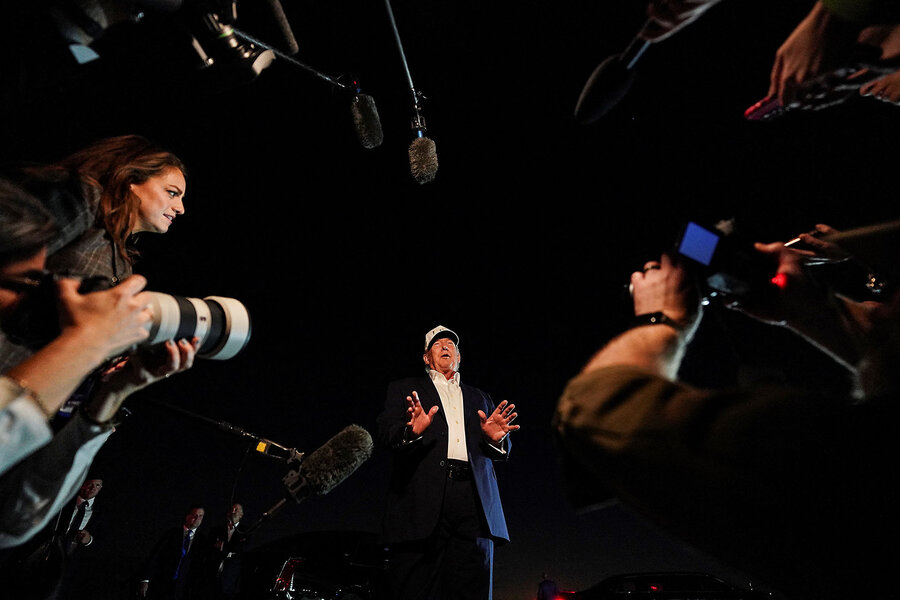
President Donald Trump speaks with reporters before boarding Air Force One in West Palm Beach, Florida, Nov. 8, 2026.
While Mr. Trump appears more willing to prioritize negotiations, his party’s electoral drubbing has left Iran more emboldened, and, multiple Arab diplomatic sources say, some in Tehran are now less inclined to reach a deal.
“Maybe the Iranians say, ‘We are victorious, we influenced U.S. politics, why give more concessions?’” Dr. Etaibi says, cautioning that some in Iran might now prefer to “wait until the new Congress takes over and make a deal with the Democrats. Or after Trump is out of office.”
Iran holding out could lead to a prolonged “no peace, no war” scenario for a region on edge, leaving the U.S. and Iran constantly on the cusp of war, holding the global economy and energy supply chains hostage, analysts and officials agree.
“This is what the mediators are trying to fight against,” notes Dr. Etaibi.
“The war continues”
Anwar Gargash, foreign policy adviser to UAE President Mohammed bin Zayed, echoed those concerns in an Abu Dhabi conference on Monday, saying the region should “prepare for a long period of uncertainty in which neither a decisive resolution nor stable regional order” is achieved.
Military planners at U.S. Central Command remain on alert, while an aircraft carrier and a dispatch of Marines are on their way to the Middle East.
Iran’s Islamic Revolutionary Guard Corps warned on Sunday that “the war continues … both militarily and economically,” repeating vows to “hit harder” in areas beyond the Middle East in retaliation.
Deepen your worldview
with Monitor Highlights.
Politics with respect
Get political stories with respectful analysis.
There‘s a world of new ideas in every
Books newsletter.
There‘s more to life, enrich yours with
Culture & Learning weekly.
Follow humanity‘s discoveries with
Science & Nature stories in your inbox.
Gain a spiritual perspective
from the stories in your inbox.
Want to understand the deeper impact of critical events? Learn the Monitor‘s insight.
Already a subscriber?Log in to hide ads.
Mediators are racing to take advantage of their extended window for diplomacy, as long as it remains open.
“Conflict resolution is about seizing the moment to finalize the conflict,” says Dr. Etaibi. “That moment can be hours or days.”

