Тэрээр дата төвийн эсэргүүцэл, цахилгааны үнэ болон ажлын байрны болгоомжлолыг зөвхөн илүү сайн сурталчилгаагаар арилгах боломжгүйг дутуу үнэлж байна.
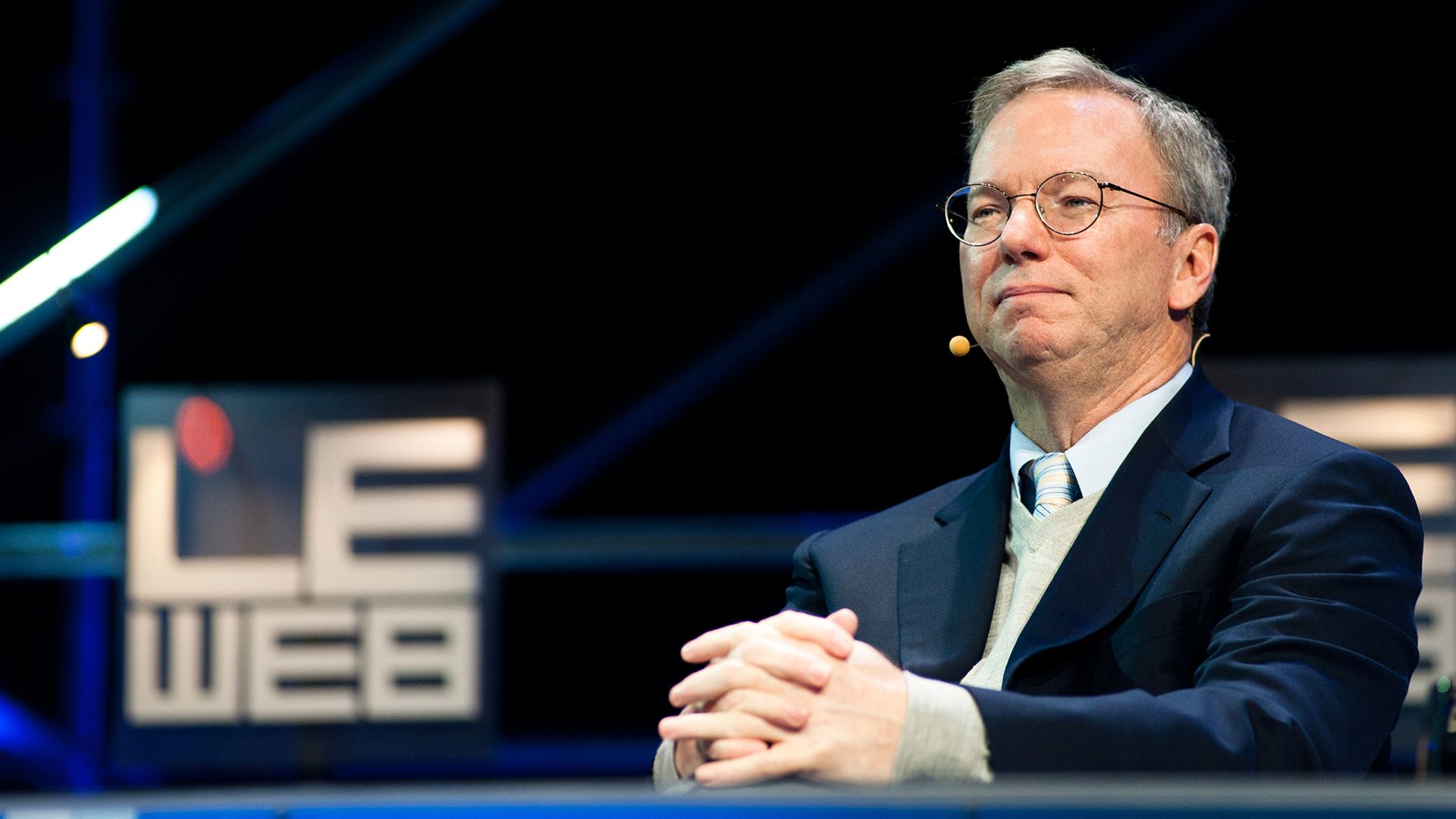
Google-ийн гүйцэтгэх захирлаар ажиллаж байсан Эрик Шмидт Axios-т өгсөн ярилцлагадаа хиймэл оюуны компаниуд бүтээгдэхүүнийхээ давуу талыг сайн таниулж чадаагүй гэжээ. Түүний хэлснээр салбар эрсдэлийг нь түлхүү ярьж, боломжийг нь орхигдуулснаар олон нийтийн анхаарал сөрөг талд төвлөрч байна. Гэвч ChatGPT, Google-ийн Gemini-г хэрэглэсэн хүмүүс ашиг тусыг нь ойлгохын зэрэгцээ технологийн салбарын амьдралд үзүүлэх нөлөөнд санаа зовж болно.
АНУ-ын сонгуулийн үеэр хиймэл оюуны дата төвүүд, тэдгээрийн цахилгаан хэрэглээ болон байгаль орчинд үзүүлэх нөлөө маргаан дагуулжээ. Шмидт том дата төвүүдийг хүн ам суурьшсан бүсээс хол байрлуулж, өөрийн эрчим хүчний системтэй болгох хэрэгтэй гэж үзсэн байна. Харин цахилгааны төлбөр өсөхөөс болгоомжилж буй хүмүүс хиймэл оюуны чадварыг ойлгоогүйдээ бус, чатбот ашиглахын тулд илүү төлөх нь үнэ цэнтэй эсэхэд эргэлзэж байж болно.
Ажлын байрны асуудалд ч илүү боловсронгуй тайлбар хангалтгүй байж мэднэ. Ажил олгогч нь зарим ажлыг программ хангамжаар орлуулах гэж буй хүнд хиймэл оюуны бүтээмжийн давуу талыг ярих нь заавал итгэл төрүүлэхгүй.
Шмидт хиймэл оюун ухаан шинжлэх ухааны судалгааг хурдасгаж, судлаачидтай хамтран ажиллах чадвартай агентууд нээлтийг түргэтгэнэ гэж өөдрөгөөр харж байна. Анагаах ухаан, шинжлэх ухаанд томоохон ахиц гарвал олон нийтийн хандлага сайжирч болох ч энэ нь өнөөдөр тулгарч буй асуудлыг өөрөө арилгахгүй. ChatGPT өргөн танигдаж, Google болон Microsoft хэрэглэгчдийн өдөр тутам ашигладаг бүтээгдэхүүндээ хиймэл оюуны боломж нэвтрүүлсэн тул олон нийт технологийн амлалтын талаар хангалттай сонссон; итгэлийг нэмэгдүүлэхэд сурталчилгаанаас илүү бодит үр дүн чухал.
Дэлгэрэнгүйг эх сурвалжаас харах
↓Эх сурвалжийг нээх ↓
Former Google CEO Eric Schmidt thinks AI struggles to convince Americans that it’s a net good because of its messaging. After the U.S. election exposed growing public hostility toward AI, particularly the data centers necessary to power the technology, Schmidt argued in an Axios interview that the companies have done a poor job explaining the benefits of their products, but he is underestimating how much people already understand about AI.
“Our industry does a terrible job of marketing our benefits,” Schmidt said. “We talk about all the negatives without talking the positives, and people are much more likely to index their minds on the negatives.”
Millions have experienced ChatGPT and Google’s Gemini firsthand for good and ill. They’re perfectly capable of appreciating those benefits while remaining unhappy about the industry’s growing influence over their lives.
Product or pitch?
AI data centers became increasingly contentious during the November midterms, with voters frustrated by electricity costs and the environmental consequences of large computing facilities. What was once largely a planning dispute has become a political headache for an industry accustomed to presenting technological expansion as an unquestionable public good. Schmidt’s solution is to move the data centers.
“Let me state categorically that large data centers should not be near population centers,” Schmidt said. “Why would this be controversial? And they should have their own power systems. One of the great things about America is we have an awful lot of empty spaces. Put them there.”
But Schmidt’s argument still treats public skepticism as something better marketing might overcome. People worried about rising electricity bills aren’t necessarily confused about what AI can accomplish. They may simply believe that cheaper access to increasingly powerful chatbots isn’t worth paying more to keep the lights on.
The same applies to concerns about employment. A more polished explanation of AI’s productivity benefits won’t necessarily reassure someone whose employer is considering replacing part of their workload with software.
Skepticism over the utopian vision
Schmidt remains deeply optimistic about AI’s potential, particularly in scientific research. He expects researchers to work alongside increasingly capable AI agents, accelerating discoveries that might otherwise take considerably longer. If AI delivers major advances in medicine or scientific research, people may feel more positively disposed toward the technology. But promised breakthroughs don’t automatically offset the problems people are experiencing today.
There’s also something slightly absurd about an industry with enormous marketing budgets complaining that Americans haven’t heard enough about AI’s benefits. ChatGPT has become a household name, while Google and Microsoft have spent years placing AI features in products people already use. The public has had plenty of opportunities to hear how revolutionary the technology is supposed to be.
Public trust can’t be manufactured entirely through better messaging, especially when people legitimately disagree with the industry’s priorities. Sometimes skepticism reflects a reasonably informed judgment about a technology’s consequences.
Schmidt clearly believes the future made with AI will be worth the disruption required to reach it, but Americans don’t necessarily need another explanation of how wonderful AI could become. They need convincing evidence that the revolution will improve their lives enough to justify everything they’re being asked to accept.

