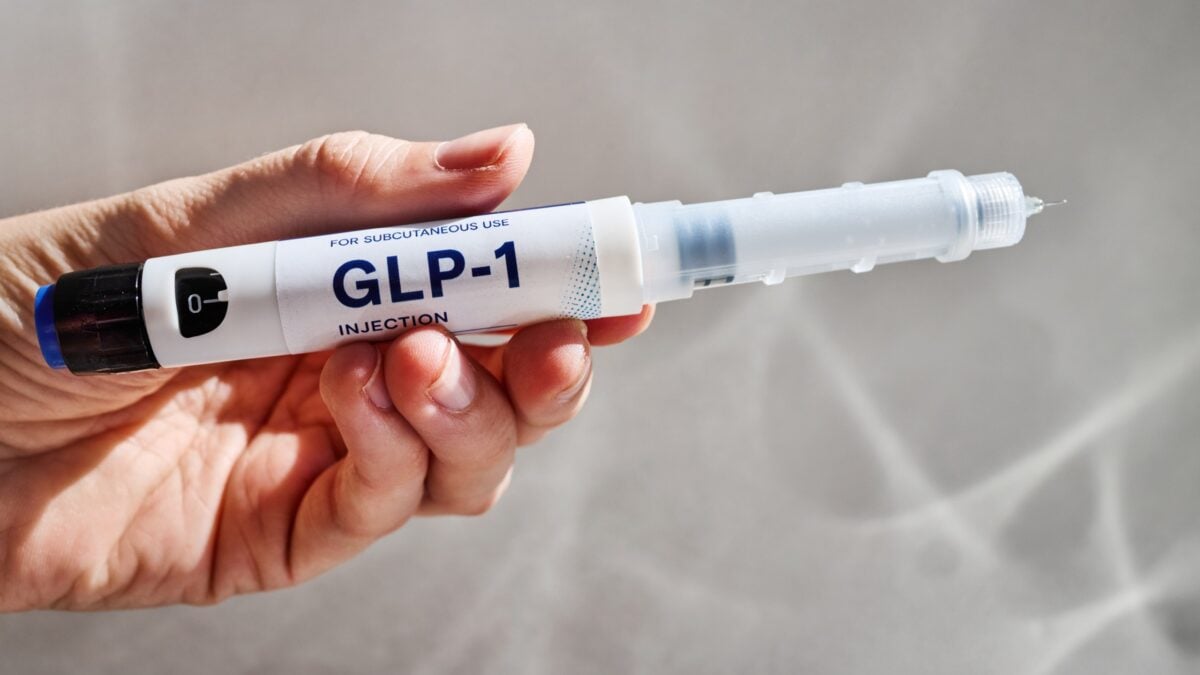
Тирзепатидыг зогсоосны дараа мани болон хий үзэгдэл илэрсэн хоёр тохиолдлыг судлаачид тайлагнасан ч эмийг зогсоосон нь эдгээр шинжийг үүсгэсэн гэж нотлоогүй байна.
The Primary Care Companion for CNS Disorders сэтгүүлд нийтэлсэн хоёр тохиолдлын тайланд тирзепатидыг (Mounjaro, Zepbound) зогсоосны дараа сэтгэцийн шинж тэмдэг илэрсэн өвчтөнүүдийн талаар өгүүлжээ. Эхний тохиолдол нь 2025 оны аравдугаар сард будилах, тогтворгүй авирлах шинжээр эмнэлэгт хүргэгдсэн 61 настай эрэгтэй байв. Тэрээр сэтгэл санаа доройтох, сэтгэл гутрал нь даамжрах, параной, сонсгол болон харааны хий үзэгдэлтэй болсон бөгөөд өөрийгөө нас барсан эсвэл биеийнх нь хэсэг ажиллахаа больсон гэж итгэх Котарын төөрөгдөл илэрчээ; тэрээр тухайн жилийн наймдугаар сард дотор муухайрсны улмаас тирзепатидыг зогсоосон байна.
Хоёр дахь өвчтөн мөн 2025 оны аравдугаар сард тогтворгүй авир, сэтгэл санааны огцом өөрчлөлтөөр эмнэлэгт хандсан 52 настай эрэгтэй байв. Эмч нар түүнийг үг яриа хэт олшрох, эмх замбараагүй ярих, өөрийгөө хэт өндрөөр үнэлэх, түргэн шийдвэр гаргах, цочромтгой болох шинжтэй мани үе гэж оношилжээ. Тэрээр зургаан сарын хугацаанд 100 фунт буюу ойролцоогоор 45 кг жин хассаны дараа өмнөх сард тирзепатидыг гэнэт зогсоосон бөгөөд эмнэлэгт очихоос өмнөх долоо хоногуудад каннабисын хэрэглээгээ нэмэгдүүлсэн байв; мөн В12 аминдэмийн түвшин бага байсан тул шим тэжээлийн дутагдал байж болзошгүй гэж тайланд дурджээ. Түүнийг цаашдын тусламж авахаар сэтгэцийн эмнэлэгт шилжүүлсэн байна.
Эдгээр тохиолдол GLP-1 эмийг зогсоох нь сэтгэцийн эмгэг, мани үүсгэдгийг нотлохгүй ч шинж тэмдэг илэрсэн хугацаа анхаарал татаж байгааг судлаачид тэмдэглэжээ. Хоёр өвчтөнд өмнө нь сэтгэл гутрал болон түгшүүрийн эмгэгийн онош тавигдсан байсан нь мөн нөлөөлсөн байж болох юм. Зохиогчдын үзэж буйгаар, GLP-1 рецепторын агонист эмийг зогсоох нь эрсдэлтэй зарим хүнд сэтгэл санаа, сэтгэцийн шинж тэмдгийг өдөөхөд нөлөөлж болзошгүй бөгөөд шим тэжээлийн дутагдалтай хүмүүсийн хувьд энэ боломжийг анхаарах шаардлагатай.
GLP-1 рецептор тархинд байдаг бөгөөд эдгээр эм цус-тархины хоригийг нэвтэрч болзошгүйг нотлох баримт бий ч тархинд очоод хэрхэн үйлчилдгийг одоогоор сайн мэдэхгүй байна. Хэдэн жилийн өмнө Европын эмийн мэдээллийн санд семаглутид, лираглутид, тирзепатидтай холбоотой сэтгэцийн 481 тохиолдол бүртгэгдсэн нь эдгээр эмийн талаарх нийт мэдээллийн 1 хувиас ялимгүй давсан үзүүлэлт байжээ. Ийм тохиолдол ховор ч ноцтой, амь насанд аюултай байж болох тул эмч нар эмийн хэрэглээний өөрчлөлт болон сэтгэцийн шинж тэмдгийг анхаарч, нэмэлт судалгаа хийх шаардлагатай гэж судлаачид үзсэн байна.
Дэлгэрэнгүйг эх сурвалжаас харах
↓Эх сурвалжийг нээх ↓
Stopping GLP-1 drugs too abruptly can impact more than just the body – it can also potentially affect the brain.
Two recent cautionary tales have scientists concerned that for a rare few, discontinuing injections of tirzepatide (brand names Mounjaro or Zepbound) could contribute to psychiatric symptoms, like mania or hallucinations.
The two case studies were reported in the peer-reviewed medical journal The Primary Care Companion for Central Nervous System Disorders.
The first patient discussed in the report was a 61-year-old man who presented at the hospital in October 2025 with worsening confusion and erratic behavior that had seemingly come out of nowhere.
The man reported that he was experiencing a low mood, worsening depression, paranoia, and both auditory and visual hallucinations.
He had also developed a rare psychiatric symptom called Cotard delusion, in which someone believes they are dead, or that parts of their body are missing or no longer functional.
In August of that year, the patient had stopped tirzepatide due to nausea.
The second patient was a 52-year-old man who also presented at hospital in the same month, this time for erratic behavior and mood swings.
Doctors diagnosed the man as having a manic episode, as he was showing symptoms such as hyperverbal and disorganized speech, grandiosity, impulsivity, and irritability.
The patient reported that he stopped tirzepatide abruptly the month before, after losing 100 pounds over six months.
In the weeks preceding his hospital visit, the patient had also increased cannabis use, which can be a risk factor for psychosis. In addition, his vitamin B12 levels were low, suggesting nutritional deficits.
The patient was transferred to a psychiatric facility for further care.
Both of these patient experiences do not prove that stopping GLP-1 drugs can cause psychosis or mania, but the timing is suspicious.
“While likely not the sole factor, it is plausible that discontinuation of a GLP-1 receptor agonist may contribute to acute-onset mood or psychotic symptoms in a select population of at-risk patients (including patients with nutritional deficiencies associated with, or exacerbated by, GLP-1 use, such as the second patient with a low vitamin B12 level),” explain the authors of the case study.
It’s also worth noting that both patients had a previous diagnosis of depression and anxiety, respectively.
This prior psychiatric history might have played a role in their symptoms.
This isn’t the first time that GLP-1 drugs have been linked to concerning psychiatric events, either.
GLP-1 receptors are also present in the brain, and evidence suggests these drugs can cross the blood-brain barrier.
What the medicine does once it is there is still largely unknown.
A few years ago, a European drug database recorded 481 psychiatric events associated with three GLP-1 drugs: semaglutide, liraglutide, and tirzepatide.
These outcomes are rare, making up just over 1 percent of the total reports related to these drugs, but researchers argued at the time that the serious, life-threatening nature of these events warranted additional research.
“While the neuropsychiatric effects of GLP-1 agonist treatment are increasingly recognized… the psychiatric implications of discontinuing these medications remain poorly characterized,” explain the authors of these new case studies.
“Acute-onset mood or psychotic symptoms following GLP-1 receptor agonist discontinuation may represent an underrecognized clinical phenomenon.”
They say that prescribers should be aware of the potential for recent GLP-1 medication changes to contribute to psychiatric symptoms.
As more people use these novel medications, researchers are learning about more rare side effects.
GLP-1 drugs come with many benefits, but the more we learn about their potential cons, the better prepared patients and physicians are when something goes wrong.
If this story has raised concerns or you need to talk to someone, please consult this list to find a 24/7 crisis hotline in your country, and reach out for help.
The research has been published in Primary Care Companion for CNS Disorders.
This article was fact-checked by Fiona MacDonald and edited by Fiona MacDonald. While we pride ourselves on our process, we are only human. If you spot a mistake, please let us know.

