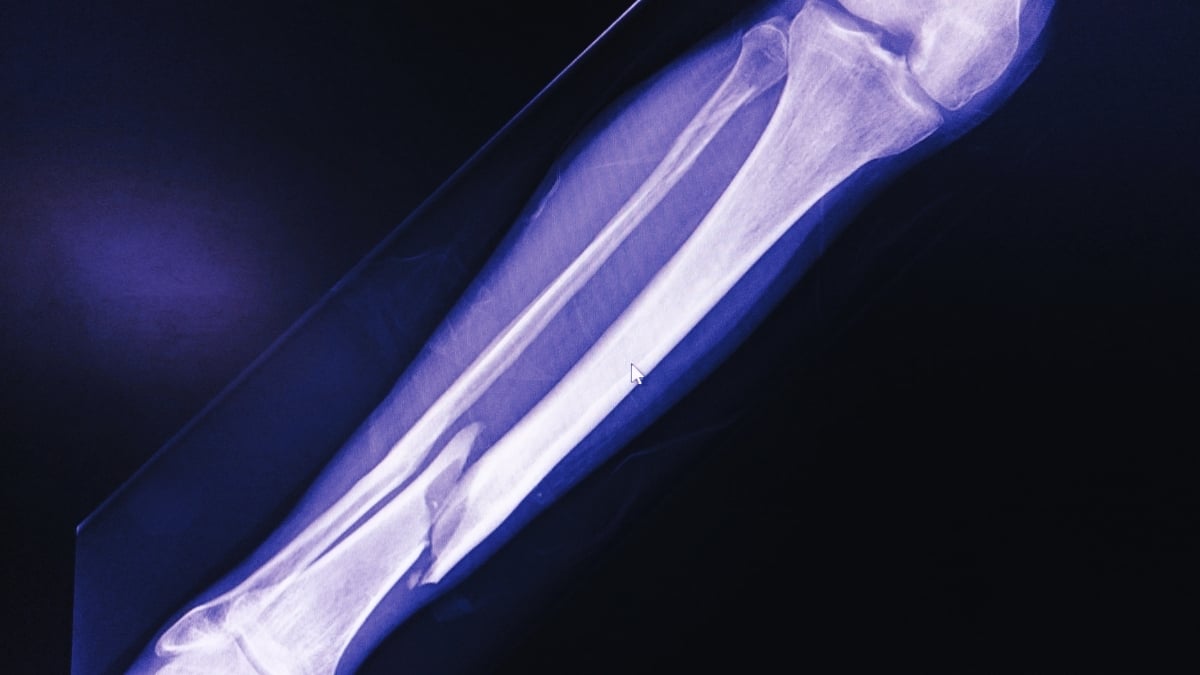
Түрээсийн цахилгаан дугуйн хэрэглээ нэмэгдэхийн хэрээр хөл, шагай, өвдөгний хүнд гэмтэл бүртгэгдэх нь олширч байгааг гэмтлийн мэс засалчид анхааруулж байна.
Цахилгаан дугуй нь энгийн дугуйг бодвол ойролцоогоор 30 кг жинтэй, хурд авахдаа илүү мэдрэмтгий байдаг нь осол гарах үед илүү хүнд гэмтэл учруулах шалтгаан болдог. Тодруулбал, дугуй унах үед хяналтаа алдсанаас үүдэн хөл гэмтэх, дарагдах, мушгирах зэргээр шилбэний хугарал, үе мултрах, арьс болон булчингийн эдийн гэмтэл үүсэх эрсдэлтэй. АНУ-д хийсэн судалгаагаар 2021-2022 оны хооронд цахилгаан дугуйн ослын улмаас гэмтэх тохиолдол хоёр дахин нэмэгдэж, гэмтсэн хүмүүсийн 15 хувь нь эмнэлэгт хэвтэн эмчлүүлэх шаардлагатай болжээ.
Queen Mary University of London-ийн Гэмтэл согог судлалын тэнхимийн багш Жерри Цанг болон бусад мэргэжилтнүүдийн үзэж буйгаар, эдгээр гэмтэл нь ихэвчлэн цахилгаан дугуйн жолоодлогын онцлогт дасаагүй байх, хурд хэтрүүлэх, нойтон зам болон бартаатай газар явах үед тохиолддог байна. Мөн согтууруулах ундаа хэрэглэх болон автомашинтай мөргөлдөх нь хүнд гэмтэл авах эрсдэлийг нэмэгдүүлдэг хүчин зүйлс юм.
Хэдийгээр ихэнх аялал аюулгүй өндөрлөдөг ч цахилгаан дугуйг унахдаа жин болон хурдны ялгааг харгалзан үзэж, болгоомжтой байх нь чухал. Эмчилгээний хувьд зөөлөн эдийн гэмтлийг физик эмчилгээгээр засах боломжтой ч ясны хугаралт, эдийн гэмтлийн үед мэс заслын аргаар хадаас, ялтсаар бэхлэх шаардлагатай болдог тул нөхөн сэргээх эмчилгээнд урт хугацаа зарцуулагддаг байна.
Дэлгэрэнгүйг эх сурвалжаас харах
↓Эх сурвалжийг нээх ↓
A man in his 30s arrived at the Royal London Major Trauma Centre after what sounded like a relatively minor cycling accident. He had been riding a shared ebike when he lost control and fell.
By the time I met him, scans had revealed a complex fracture around his ankle where his shinbone (tibia) had pierced through his skin.
He would need multiple surgeries to fix his broken bone and grafting of his skin and muscles, followed by many months of rehabilitation and a prolonged period away from work.
Cases like this are becoming increasingly familiar.
Colleagues in trauma centres across several countries have described seeing similar injuries after accidents involving shared ebikes. Some surgeons began referring to the pattern informally as “Lime bike leg”.
The term is not a medical diagnosis. Rather, it describes severe injuries affecting the leg, ankle and knee following crashes involving shared ebikes.
While the name comes from one of the world’s largest shared ebike operators, the injuries are not unique to any particular company. They appear to be associated with the rapid growth of shared ebike use.
Most people think of cycling injuries as cuts, bruises, or perhaps a broken wrist. The injuries being described as “Lime bike leg” are often much more serious. Common examples include fractures of the tibia, dislocations of the knee or ankle, and severe skin and muscle loss.
Why these injuries are different
One reason these injuries stand out is how they occur: e-bikes are considerably heavier than conventional bicycles, often weighing around 30kg, and accelerate more rapidly.
When riders lose control, the bicycle can fall onto the leg or trap it against the ground, creating twisting and crushing forces that are uncommon with lighter bikes. Some of the resulting injuries resemble those more often seen in motorcycle crashes.

Part of the explanation is straightforward: many more people are riding e-bikes than ever before. Shared ebike schemes have expanded rapidly across cities in Europe, North America, Asia and Australia.
E-bicycles are now one of the fastest-growing forms of urban transport.
As usage has increased, so too have injuries. In London, shared ebike users now account for about 20% of serious cycling casualties, compared with about 1% less than a decade ago.
A recent US study examining almost 14,000 injuries involving bicycles, ebikes and escooters found that ebike injuries doubled between 2021 and 2022.
Around 15% of injured riders required admission to hospital, while fractures were the most common injury sustained. About one-third of ebike injuries involved a collision with a motor vehicle.
These figures need context. The overwhelming majority of journeys end safely. Lime reports that more than 99.99% of rides are completed without incident.
Yet when millions of journeys are made each year, even a very small risk per ride can translate into a substantial number of serious injuries.
Research suggests that severe injuries are more strongly associated with factors such as older age, alcohol use and collisions with motor vehicles than with the type of bicycle itself.
Once these factors are taken into account, injured ebike riders are no more likely to require hospital admission than conventional cyclists.
That finding shifts attention towards the circumstances of the crash. Many serious injuries occur when riders are unfamiliar with the handling characteristics of ebikes. Others happen when speed is too high for conditions, particularly on wet roads, uneven surfaces, or crowded streets.
Treatment depends on the injury.
Minor soft-tissue injuries, involving ligaments and muscles, can often be managed with rest and physiotherapy. Fractures are a different matter, often requiring surgery using metal plates, screws, or rods to stabilize the broken bones and grafts to replace the damaged skin and muscle.
Recovery is rarely quick. Patients may spend weeks walking with crutches and many months, often years, rebuilding strength and confidence. Some continue to experience pain, stiffness, or reduced mobility long after the fracture has healed.

Mostly preventable
Many of these injuries are potentially preventable. Riders who are new to e-bikes should recognize that they handle differently from conventional bicycles. The extra weight affects braking, cornering and balance – particularly at low speeds.
Many serious crashes occur without another vehicle being involved. Avoiding mobile phone use while riding and taking extra care in wet conditions may be just as important as watching out for traffic. Alcohol also features disproportionately in studies of ebike injuries.
Related: Exercise Can Protect Your Joints – Here’s What You Should Try
Helmets will not prevent a broken leg. They can, however, reduce the risk of head injury, which remains one of the most common and potentially devastating consequences of cycling crashes.
“Lime bike leg” remains an informal label rather than a recognized diagnosis. Yet behind the nickname lies a genuine clinical observation.
As shared e-bikes become a routine part of city life around the world, trauma surgeons are seeing a new pattern of injury emerge alongside them.
Jerry Tsang, Senior Clinical Lecturer in Trauma and Orthopaedic Surgery, Queen Mary University of London
This article is republished from The Conversation under a Creative Commons license. Read the original article.

