Менингит өвчний улмаас үүссэн хүндрэлээр алдартай жүжигчин Дэйви Чейз 35 насандаа таалал төгссөнийг түүний менежер албан ёсоор баталлаа.
Disney-ийн “Lilo and Stitch” хүүхэлдэйн кинонд Лилогийн дүрд дуу оруулж, “The Ring” аймшгийн кинонд Самарагийн дүрээр олонд танигдсан жүжигчин Дэйви Чейз өвчний улмаас нас баржээ. Түүний менежер Жон Раян Жр-ийн мэдээлснээр, талийгаач нь менингит өвчин тусч, улмаар цусны хүнд халдвар авсны улмаас ийнхүү харамсалтайгаар хорвоог орхисон байна. Түүний найз залуу Рой Эрнандес ч мөн энэ мэдээллийг баталж, олон нийтийн хандивын хуудсаар дамжуулан харамсалтай явдлыг дуулгажээ.
Дөрвөн настайгаасаа урлагийн гараагаа эхэлж, долоон настайдаа Холливудад хөл тавьсан тэрээр 2015 онд жүжигчний карьераа албан ёсоор өндөрлөсөн юм. Менежер Жон Раян Жр-ийн онцолсноор, Дэйви Чейз нь олны танил байхыг эрхэмлэдэггүй, энгийн амьдралыг илүүд үздэг, жүжиглэх дуртай нэгэн байсан хэмээн дурссан байна.
Анагаах ухааны эх сурвалжуудын мэдээлснээр, менингит нь тархи болон нугасны эргэн тойрон дахь бүрхүүл эдийн үрэвсэл юм. Уг өвчин нь нян, вирус, мөөгөнцөр зэрэг олон төрлийн шалтгаантай байдаг бөгөөд халдвар авсан тохиолдолд толгой өвдөх, халуурах, хүзүү хөших, гэрэлд мэдрэг болох, дотор муухайрах зэрэг шинж тэмдэг илэрдэг. Мэргэжилтнүүд менингитийн шинж тэмдэг илэрсэн даруйд эмнэлгийн яаралтай тусламж авах нь хүндрэлээс сэргийлэх хамгийн чухал алхам болохыг анхааруулж байна.
Дэлгэрэнгүйг эх сурвалжаас харах
↓Эх сурвалжийг нээх ↓
Daveigh Chase passed away at the age of 35 from sepsis after contracting meningitis, her manager confirmed.
The 35-year-old actor is best recognised for voicing Lilo in Disney’s animated film Lilo and Stitch and for her role as Samara in 2022 horror The Ring.
The former child star began her career at the age of four, landing her first Hollywood role at the age of just seven, but she retired from acting in 2015.
Her manager John Ryan Jr confirmed her passing to BBC News yesterday (17 June), telling the outlet: “She was not very Hollywood. She’d rather eat at Bob’s Big Boy and go home with the cats. She loved acting but wasn’t into the fame scene. […] She was the greatest.”
Chase’s passing was also reported by her boyfriend, Roy Hernandez, who stated via a GoFundMe page started before her death that she was ‘diagnosed with meningitis and several serious blood infections’.

What is meningitis?
Meningitis is ‘an infection and swelling, called inflammation, of the fluid and membranes around the brain and spinal cord,’ Mayo Clinic details. The membranes are called ‘meninges’.
Cleveland Clinic notes another name for the disease is ‘spinal meningitis’.
“Your meninges normally protect your brain and spinal cord from injury. They contain nerves, blood vessels and cerebrospinal fluid (CSF). When your meninges become inflamed, they swell too much and put pressure on your brain and/or spinal cord,” it adds.
And there are several things which can cause meningitis.

What causes meningitis?
There are several infectious types and several non-infectious types of meningitis.
Infectious types of meningitis include bacterial meningitis (most common), viral meningitis, fungal meningitis and parasitic meningitis (also known as eosinophilic meningitis).
Noninfectious types include autoimmune meningitis, carcinomatous (cancer) meningitis, drug-induced aseptic meningitis (DIAM) and post-traumatic meningitis.
Cleveland Clinic notes meningitis is typically described either as ‘acute, chronic or aseptic’.
Acute is when the symptoms ‘come on suddenly’ often seen with bacterial, chronic sees ‘symptoms develop slowly and last a month or more’ and the term aseptic is used if the CSF tests negative for bacteria which means ‘either the bacterium causing it is difficult to grow or your case isn’t caused by bacteria’.
“The most common cause of aseptic meningitis is a viral infection,” it adds.
But how can you get it and what are the symptoms of meningitis?
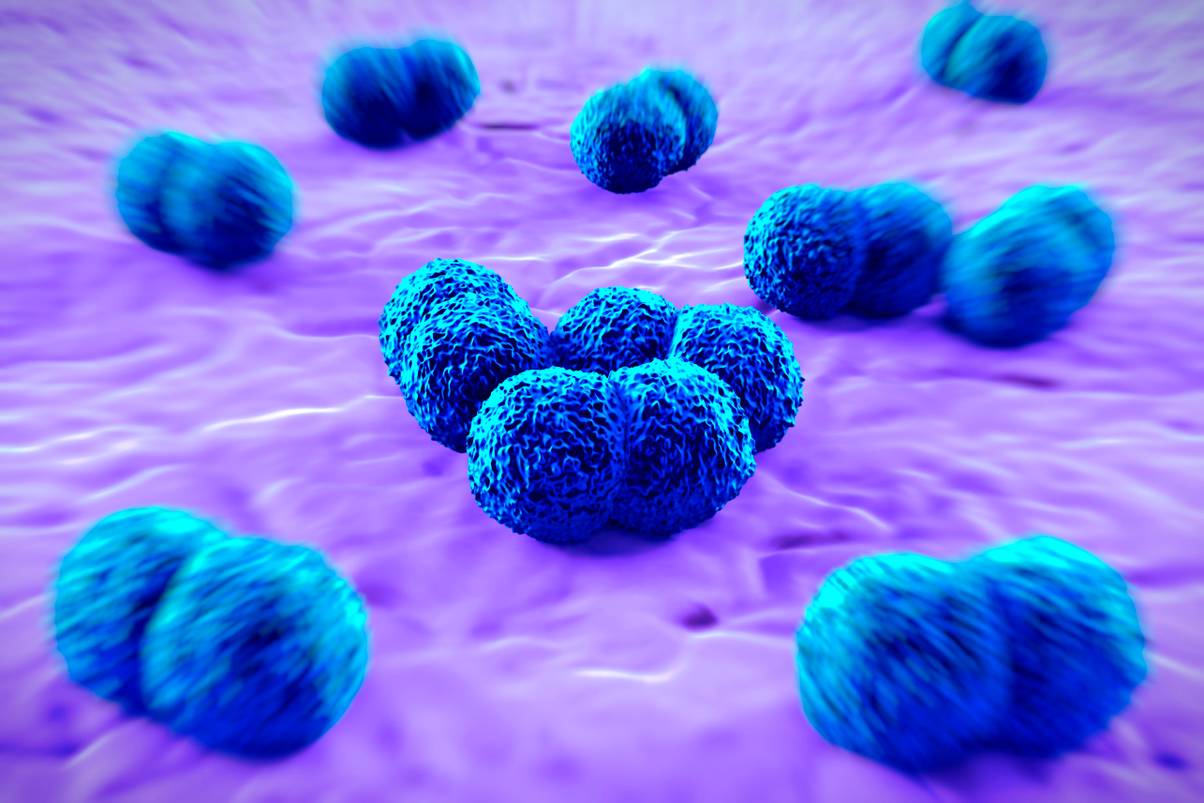
How can you get it and what are the symptoms of meningitis?
You can contract meningitis from coming into contact with another person who has ‘a contagious bacterial or viral illness’ or ‘from food contaminated with something infectious’. Breathing in fungi can also lead to meningitis or you can develop it as a ‘complication of noninfectious conditions, like cancer’.
It can also occur from a head injury or complication of brain surgery alongside as a ‘side effect of a medication.
The symptoms can vary by age. However, typical symptoms include a headache, fever, stiff neck, sensitivity to light, nausea or vomiting, confusion, ‘lack of energy, extreme tiredness or trouble waking’ and lack of appetite.
In babies, it can show up in the same symptoms alongside poor feeding, irritability and a bulging soft spot on the baby’s head.
You can be at higher risk if under five years old or over 65.
But meningitis is treatable.
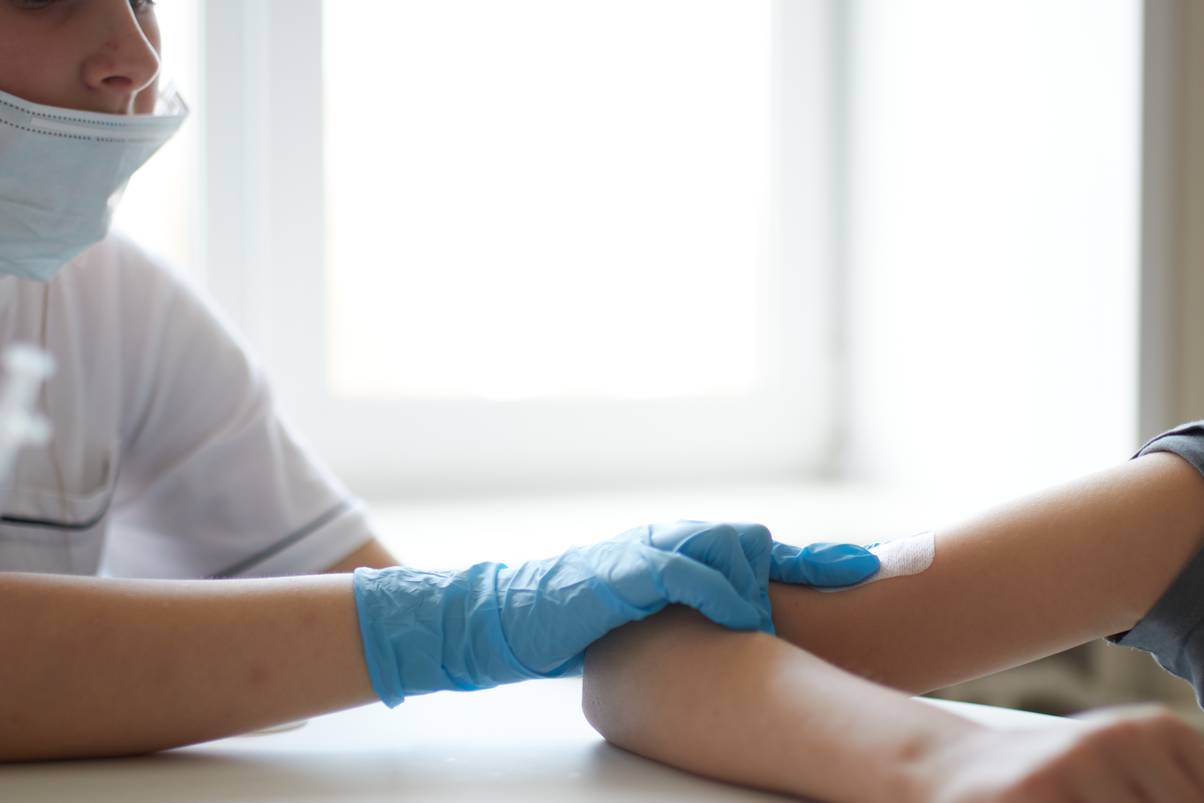
How is meningitis treated?
Cleveland Clinic reassures ‘medications treat most infectious cases’ and for noninfectious cases, treatment typically relies on treating the underlying problem.
Viral meningitis can go away on its own in around a week with fungal meningitis taking a few days to a week or more and chronic meningitis sometimes lasting months to years.
Mayo Clinic notes: “Seek medical care right away if you think that you or someone in your family has meningitis. For meningitis caused by bacteria, early treatment can prevent serious complications.”
If you have experienced a bereavement and would like to speak with someone in confidence, contact GrieveWell on (734) 975-0238, or email info@grievewell.com.