Сүүлийн үеийн судалгаагаар залуу үеийнхэн өмнөх үеийнхнээсээ илүү хурдан биологийн хөгшрөлтөд өртөж байгаа нь хорт хавдрын тохиолдол залуучуудын дунд нэмэгдэхэд нөлөөлж болзошгүйг харууллаа.
Вашингтоны их сургуулийн Анагаах ухааны сургуулийн судлаачид UK Biobank болон US All of Us хөтөлбөрийн 164,000 гаруй хүний цусны шинжилгээний үзүүлэлтүүдэд дүн шинжилгээ хийжээ. Тэд үрэвсэл, глюкоз, креатинин, альбумин болон цагаан эсийн тоо зэрэг есөн төрлийн биомаркер дээр суурилсан “PhenoAge” хэмжүүрийг ашиглан оролцогчдын биологийн нас болон хронологийн насны зөрүүг тооцсон байна. Судалгааны үр дүнгээр 1965-1974 онд төрсөн хүмүүс 1950-иад оны эхээр төрсөн хүмүүстэй харьцуулахад биологийн хувьд 23 хувиар илүү хөгширсөн байжээ. Мөн 1990-ээд онд төрсөн бүлгийн хувьд энэ үзүүлэлт өмнөх үеийнхээс 92 хувиар өндөр гарсан байна.
Биологийн хөгшрөлтийн хурд нэмэгдэх нь 55-аас доош насныхны дунд уушги, хоол боловсруулах систем болон умайн хорт хавдар үүсэх эрсдэлтэй шууд хамааралтай байгааг судлаачид тогтоов. Тухайлбал, биологийн насны зөрүү нэмэгдэх тусам уушгины хорт хавдрын эрсдэл 57 хувиар өсөж байжээ. Энэхүү хамаарал нь тамхи татах, таргалалт, генетикийн нөлөөллөөс үл хамааран ажиглагдсан нь онцлог юм.
Молекул тархвар судлаач Инь Цаогийн тайлбарласнаар, биологийн хөгшрөлтийг эрт илрүүлэх нь хорт хавдраас урьдчилан сэргийлэх, хувь хүний онцлогт тохирсон эмчилгээний стратегийг боловсруулахад чухал ач холбогдолтой. Судлаачид уг судалгааг Nature Medicine сэтгүүлд нийтэлсэн бөгөөд хорт хавдрын өсөлтийн шалтгааныг тодруулах, урьдчилан сэргийлэх шинэ арга замыг эрэлхийлэхэд энэ нь чухал алхам болно гэж үзэж байна.
Дэлгэрэнгүйг эх сурвалжаас харах
↓Эх сурвалжийг нээх ↓
The kids are growing up so fast these days, but maybe not in the way you think.
A new study of adults suggests that more recent generations are biologically older than earlier generations were at the same age – based on a range of blood markers.
That doesn’t mean Gen Z or Alpha will need walking frames and a bottle of B12 before 30.
But the findings could help explain why certain cancers are on the rise among younger generations, including cancers of the lung, uterus, and gastrointestinal tract.
This worrying trend likely has a complex mix of causes, but teasing out the individual contributors can help scientists and public health experts try to mitigate it.
“If we can identify younger people with the highest cancer risk when they are still healthy, we can focus on prevention and early-detection strategies for the individuals who will benefit most,” says molecular epidemiologist Yin Cao of the Washington University School of Medicine in St. Louis.
Cancer diagnoses are often associated with aging.
This is because cancer arises when critical genetic damage accumulates in cells, allowing them to grow and divide out of control.
Over time, our bodies accumulate DNA damage from the food we eat, the air we breathe, the sun on our faces, and other habits. Damaged DNA can pass on flawed instructions, causing cell division to go awry.
The longer we live, the more opportunities there are for that damage to accumulate. That is one reason cancer risk rises sharply with age.
In the last decade, however, patient data has revealed an alarming rise in cancer in younger generations. For example, a 2025 study found the Millennial generation was the first to face a higher risk for some cancers than their parents’ generation.
Instead of looking at one single exposure, Cao and her colleagues took a broader approach – biological aging.
This is not how old someone is in years, but how old they appear to be compared to others based on biomarkers, and it can give a demographic-level picture of a population’s health.
The researchers studied three generations of people across two very large cohorts.
They studied blood markers from 154,169 adults in the UK Biobank, comparing people born in the early 1950s with those born in the late 1960s and early 1970s.
They also studied health data from 10,262 adults in the US All of Us research program, born either in the 1960s or 1990s.
Their main metric was PhenoAge, a measure of biological aging based on chronological age and nine blood biomarkers, including CRP, a marker of inflammation, as well as glucose, creatinine, albumin, and white blood cell counts.
Using this metric, the team calculated an “age gap” score to estimate whether a person appears biologically older or younger than expected for their actual age.
The contrast between generations was striking.
People born in the UK between 1965 and 1974 had a 23 percent higher standardized PhenoAge-defined age gap than those born between 1950 and 1954.
And this trend was observed in the US, too. The 1990 to 1999 cohort had a 92 percent higher standardized age gap than those born between 1965 and 1969.
In other words, younger birth cohorts appeared slightly biologically older than older cohorts did at the same chronological age.
Using a subset of the data, the researchers then looked at whether these age-gap scores were associated with cancer risk.
They found that people with higher scores were more likely to develop cancer before age 55, particularly cancers of the lung, digestive system, and uterus.

For every standard-deviation increase in age-gap score, the risk of early-onset solid cancers rose by 8 percent. The strongest association was for lung cancer, where risk rose by 57 percent.
And, strikingly, that association persisted even after other factors, such as smoking, obesity, telomere length, and genetic predisposition, were taken into account.
“Our findings suggested that age gap may be particularly relevant for understanding early-onset cancers with rising incidence, such as colorectal and uterine cancers,” the researchers write in their paper.
“As well as for cancers with substantial unexplained risk, such as lung cancer.”
Different forms of biological aging had different associations, too. Early-onset lung cancer risk was more strongly linked to immune system aging, based on an analysis of proteins, called proteomics.
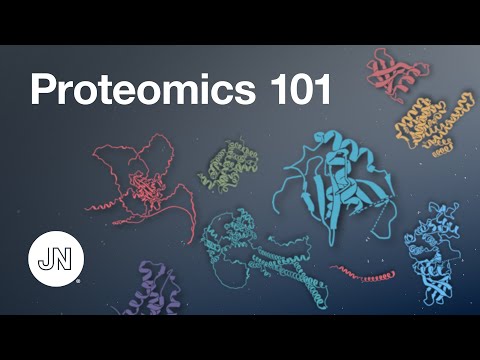
Advanced fat tissue aging was more strongly associated with early-onset colorectal cancer risk.
“Our ultimate goal is to decode how modern environments become biologically embedded to drive cancer risk, transforming prevention from broad recommendations to personalized interventions,” Cao says.
“This brings us closer to identifying risk earlier and developing prevention strategies that are tailored to an individual’s biology.”
Related: A Rare Cancer Is Surging in Young People, And Experts Don’t Know Why
There’s unlikely to be a one-size-fits-all solution to this growing concern, but findings from broad, population-level analyses like these can help scientists identify what might be amplifying cancer risk in individual patients.
“Right now, we don’t have a definitive answer to what’s driving the rise of early-onset cancers around the world,” says David Scott, Director of Cancer Grand Challenges, a global research initiative backed by the US National Cancer Institute and Cancer Research UK.
“But studies like this are helping us piece together the bigger picture, showing that cancer may be influenced not just by changes inside individual cells, but by wider changes happening across the body as a whole.”
The research has been published in Nature Medicine.