Шинэ томоохон судалгаагаар яс бэхжүүлэх зорилгоор кальци болон Д аминдэмийн нэмэлт бүтээгдэхүүн хэрэглэх нь яс хугарах, бэртэх эрсдэлийг төдийлөн бууруулдаггүй болохыг тогтоожээ.
Дэлхийн өнцөг булан бүрийн 154,000 гаруй насанд хүрэгчдийг хамарсан 69 удаагийн эмнэлзүйн туршилтын мэдээлэлд дүн шинжилгээ хийжээ. Судлаачид кальци болон Д аминдэмийг тус тусад нь болон хослуулан хэрэглэхэд яс хугарах, унах эрсдэлд үзүүлэх нөлөөг плацебо буюу идэвхгүй эмчилгээтэй харьцуулсан байна. Үр дүнгээс үзэхэд, кальци болон Д аминдэмийг дангаар нь хэрэглэх нь яс хугарах эрсдэлийг бууруулахад ямар ч нөлөөгүй байв.
Хоёр төрлийн нэмэлтийг хослуулан хэрэглэсэн тохиолдолд бага зэргийн эерэг нөлөө ажиглагдсан ч энэ нь эмнэлзүйн хувьд ач холбогдол багатай гэж дүгнэжээ. Тухайлбал, 100 хүн тутамд ердөө нэг тохиолдол, харин түнхний яс хугарах эрсдэл 1,000 хүн тутамд гурван тохиолдлоор л буурсан байна. Иймд эдгээр нэмэлт нь яс хугарахаас сэргийлэх найдвартай арга биш болохыг судалгааны баг онцолсон байна.
Энэхүү дүгнэлт нь ясны сийрэгжилт, Д аминдэмийн дутагдалтай эсвэл эмчийн заалтаар тусгай эмчилгээ хийлгэж буй хүмүүст хамаарахгүй бөгөөд зөвхөн эрүүл насанд хүрэгчдийн хувьд нэмэлт бүтээгдэхүүнийг тогтмол хэрэглэх нь үр дүн муутайг харуулж байна. Ясны эрүүл мэндийг хадгалах, бэртэж гэмтэх эрсдэлийг бууруулах хамгийн үр дүнтэй аргад тогтмол дасгал хөдөлгөөн хийх, тэр дундаа булчин болон ясыг бэхжүүлэх дасгалууд, тэнцвэр сайжруулах хөдөлгөөнүүд орж байна.
Дэлгэрэнгүйг эх сурвалжаас харах
↓Эх сурвалжийг нээх ↓
For years, many people have taken calcium and vitamin D supplements to help keep their bones strong as they age.
Walk into any pharmacy or supermarket, and you’ll find shelves full of products promising to support bone health, prevent fractures and reduce the risk of falls.
Calcium is an important building block of bone, while vitamin D helps the body absorb calcium. If weak bones increase the risk of fractures, surely taking more calcium and vitamin D should help keep bones strong.
But a major new study suggests the reality may be far more uncertain.
Researchers analysed data from 69 clinical trials involving more than 154,000 adults from around the world.
These studies compared calcium supplements, vitamin D supplements, or a combination of both against a placebo or no treatment.
The aim was to answer a question that has important implications for millions of people: do these supplements actually prevent fractures and falls?
When researchers looked at calcium alone, they found little or no meaningful reduction in fractures or falls.
The same was true for vitamin D taken on its own. Even among studies involving tens of thousands of participants, vitamin D supplementation showed virtually no difference in fracture risk compared with taking nothing at all.
What about taking calcium and vitamin D together?
The results appeared slightly more encouraging at first glance. Combined supplementation was associated with a small reduction in some types of fractures.
However, when the researchers looked more closely, they found that these benefits were extremely modest. For example, the reduction in overall fractures was roughly one fewer per 100 people taking supplements.
Hip fractures, one of the most serious injuries affecting older adults, were reduced by only about three cases per 1,000 people. The researchers concluded that these benefits were too small to be considered “clinically meaningful” for most people.
In other words, the benefits may exist on paper, but they are unlikely to make a substantial difference in everyday life for the average older adult.
This matters because falls and fractures are major public health concerns. Around one in three adults aged 65 years and older experiences at least one fall each year.
Falls can lead to broken bones, hospital admissions, loss of independence, and a decline in quality of life. Understandably, many people are eager to do anything they can to reduce these risks.
Yet this study suggests that supplements alone are unlikely to be the answer.

Prescribing practices
The findings also raise questions about current prescribing practices. Despite growing uncertainty about their effectiveness, calcium and vitamin D supplements continue to be widely recommended and prescribed in many countries.
In the UK, spending on vitamin D prescriptions has increased dramatically over the past two decades.
Importantly, the study is not saying that calcium and vitamin D are unnecessary. They remain essential nutrients for bone and muscle health. What the research challenges is the idea that everyone should routinely take supplements to prevent fractures.
For people with osteoporosis, vitamin D deficiency, or certain health conditions, supplements may still play an important role as part of their medical care.
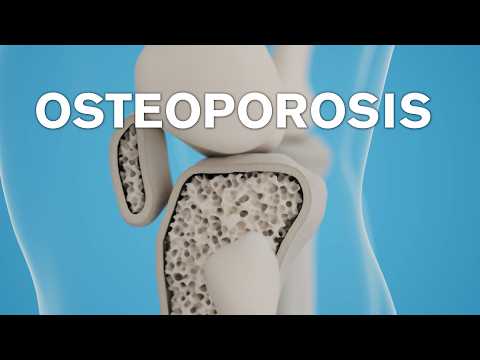
The study’s conclusions apply mainly to the general adult population, particularly people living independently in the community who do not have severe vitamin D deficiency or bone disease.
So if supplements are not the solution, what does work?
The strongest evidence continues to support regular physical activity, particularly weight-bearing and resistance exercises that challenge muscles and bones.
Walking, strength training, balance exercises, and tai chi can help maintain bone strength, improve stability, and reduce the risk of falls.

While calcium and vitamin D play critical roles in bone biology, simply taking supplements does not necessarily lead to fewer fractures or falls.
Related: Breakthrough to Make Bones Stronger Could Reverse Osteoporosis
For many adults, maintaining bone health may depend less on what is in the medicine cabinet and more on staying active, eating a balanced diet, and taking practical steps to reduce fall risk.
As populations continue to age, finding effective ways to prevent fractures remains a priority.
This new evidence suggests that routine calcium and vitamin D supplementation, once considered a cornerstone of prevention, may not deliver the benefits many people expect.

Prasad Nishtala, Reader, Life Sciences, University of Bath
This article is republished from The Conversation under a Creative Commons license. Read the original article.