Хүн болон дээд зэргийн мичнүүд 15 сая жилийн өмнөх нийтлэг өвөг дээдсээсээ өвлөж авсан инээх ижил төстэй хэв маягтай болохыг шинэ судалгаагаар нотоллоо.
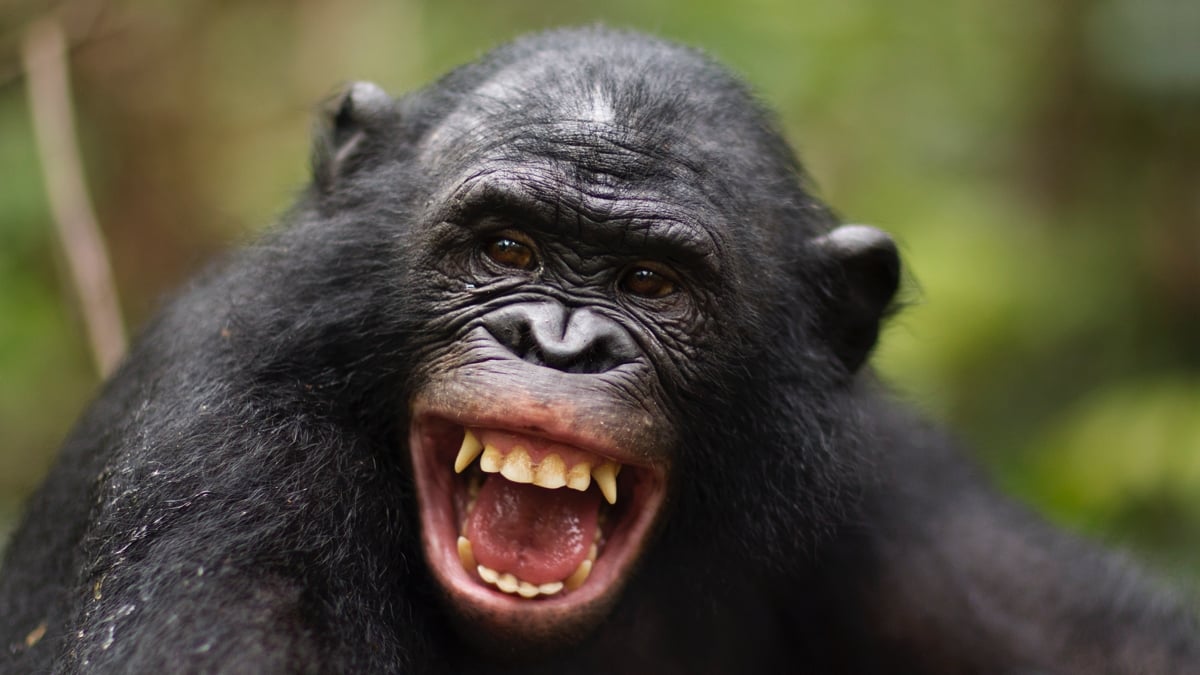
Уорикын их сургуулийн судлаач Кьяра Де Грегорио тэргүүтэй эрдэмтэд горилл, орангутан, шимпанзе, бонобо зэрэг 13 мичийг гижигдэж гаргасан дуу авиаг хүүхдийн инээдтэй харьцуулан судалжээ. “Communications Biology” сэтгүүлд нийтлэгдсэн уг судалгаагаар хүн болон мичнүүдийн инээд нь тогтмол хугацааны хэмнэлтэй байдгийг тогтоосон байна. Энэ нь инээд нь үг хэлгүйгээр баяр баясгалан, тоглоом наадгайг илэрхийлэх эртний харилцааны хэрэгсэл болохыг харуулж байна.
Бусад амьтад ч инээдтэй төстэй авиа гаргадаг ч хүнийхтэй ижил хэмнэлтэй байдаггүй аж. Жишээлбэл, хархыг гижигдэхэд тэд хэт авианы давтамжтай дуугардаг байна. Хүн төрөлхтний хувьд инээд нь илүү хурдтай, нөхцөл байдлаас шалтгаалан өөр өөр өнгө аястай байдаг тул эрдэмтэд биднийг “инээдний мастерууд” хэмээн тодорхойлжээ.
Лион коллежийн амьтны харилцааны судлаач Бриттани Флоркиевичийн үзэж байгаагаар, энэхүү нээлт нь амьтдын нийгмийн амьдрал болон инээдний хувьслыг ойлгоход чухал ач холбогдолтой юм. Цаашид муур, нохой, морь зэрэг амьтдын инээдтэй төстэй илэрхийллийг судлах нь хүний өвөрмөц онцлог болон амьтны ертөнцтэй ижилсэх шинжийг илүү тодруулах боломжтой. Дуу авиа нь чулуужсан олдвор болон үлддэггүй тул ийнхүү инээдний дуу авиаг судлах нь хүн төрөлхтний ярианы хөгжлийг ойлгох нэгэн түлхүүр болж байна.
Дэлгэрэнгүйг эх сурвалжаас харах
↓Эх сурвалжийг нээх ↓
NEW YORK (AP) – Humans and great apes have been giggling in similar ways since branching off the evolutionary tree, a new study suggests.
How do we know this? Researchers tickled 13 captive apes – including gorillas, orangutans, chimpanzees and bonobos – and recorded the results.
The new research reexamined those decades-old recordings and compared them with the newly captured giggles of four young children while they were being tickled and playing at home.
It turns out that the chuckles of humans and great apes follow similar rhythms, with regular timing between their laughs, a uniting thread that likely reflects their ties to a common ancestor, researchers said.
“In a way, we are very similar to other great apes because we’ve been laughing in a similar way for 15 million years,” said study author Chiara De Gregorio, a primatologist at the University of Warwick in England.
Laughter communicates aplayful, happy feelingwithout using words. Many animals can laugh too, but the giggles don’t follow human patterns as closely. When researchers tickle rats, for example, they respond with ultrasonic squeaks.
Scientists trying to uncover how laughter evolved have picked apart animals’ facial expressions, but less work has been done on how laughs sound. And compared with apes, human laughter has become faster and more complex.
For one, our laughs sound different based on context – from a polite chuckle among colleagues to a full-bodied guffaw with close friends.
“We are like the masters of laughter, I would say,” said De Gregorio, whose findings were published Thursday in the journal Communications Biology.

These giggles evolved to best suit animals’ different social lives, said Brittany Florkiewicz, who studies animal communication at Lyon College and had no role in the new research. She said the study’s findings make sense, and point to a need for more investigation.
Florkiewicz said she’d like to hear comparable recordings of other animals with playful facial expressions, like dogs, horses and cats. That could tell us more about how laughter evolved, so we can “understand what makes us uniquely human, but also what is similar between humans and other animals.”
Related: Why Do We Laugh? New Study Suggests It May Be a Survival Strategy
Studying the origins of laughter may seem corny, but it’s one aspect of human communication that can help us understand others – including how we learned to speak. Because sounds don’t fossilize, scientists are using the evidence we do have to trace things back, one chuckle at a time.

