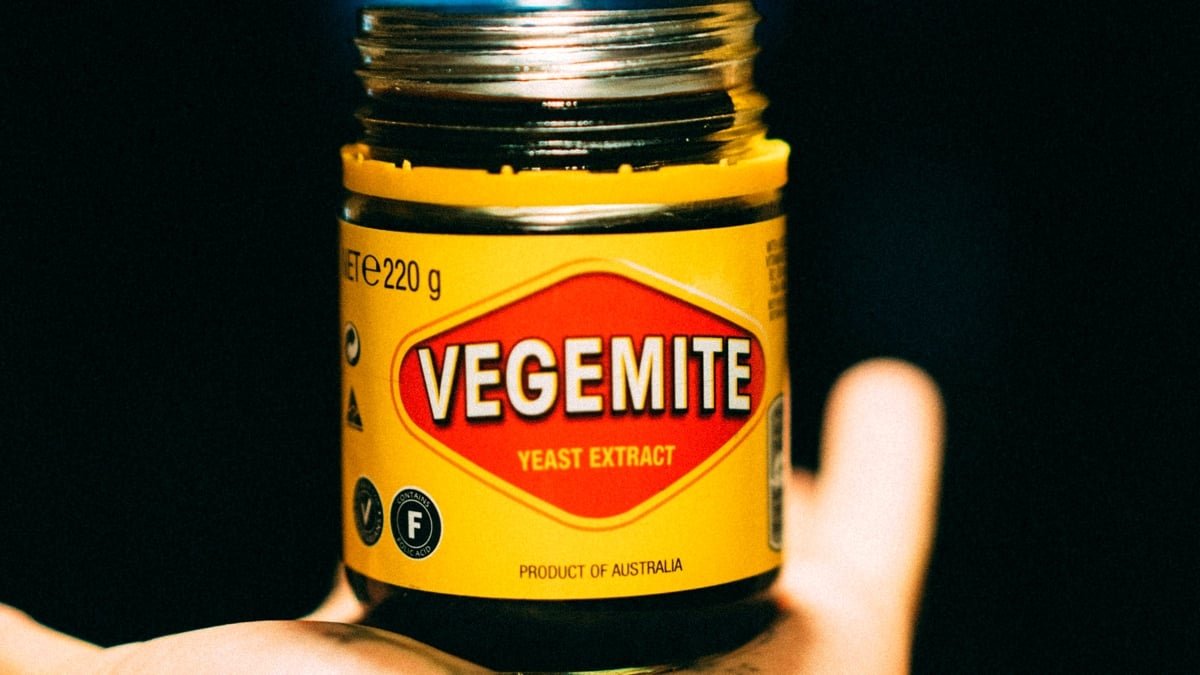
Давсны агууламжийг 50 хувиар багасгасан шинэ бүтээгдэхүүн нь хүүхдийн хоол тэжээл дэх натрийн хэрэглээг зохицуулах нийгмийн эрүүл мэндийн бодлогын нэг хэсэг юм.
Өнгөрсөн долоо хоногт Vegemite брэнд хүүхдэд зориулсан, уламжлалт бүтээгдэхүүнээсээ 50 хувиар бага натри агуулсан шинэ төрлийн бүтээгдэхүүнээ танилцууллаа. Натри нь хүний биеийн үйл ажиллагаанд зайлшгүй шаардлагатай боловч хэт их хэрэглэх нь цусны даралт ихсэх, улмаар зүрх судасны өвчлөл, цус харвалтын эрсдэлийг нэмэгдүүлдэг. Хүүхэд наснаасаа эхлэн давслаг хүнс хэрэглэх нь ирээдүйд давсны амтанд дасах, цусны даралт ихсэх эрсдэлийг дагуулдаг тул натрийн хэрэглээг хязгаарлах нь олон улсын нийгмийн эрүүл мэндийн тэргүүлэх зорилт юм.
Австралийн статистикийн товчооны мэдээллээр тус улсын хүүхдүүдийн натрийн хэрэглээ зөвлөсөн хэмжээнээс өндөр байгаа бөгөөд ихэнх натри нь талх, боловсруулсан мах, үр тарианы төрлийн хоол хүнснээс бүрддэг байна. Vegemite Kids бүтээгдэхүүний нэг удаагийн 5 грамм порц нь 82 мг натри агуулдаг нь энгийн бүтээгдэхүүний 165 мг натритай харьцуулахад хоёр дахин бага үзүүлэлт юм. Гэсэн хэдий ч энэ нь хүүхдийн өдрийн нийт натрийн хэрэглээг ердөө 3-4 хувиар бууруулах боломжтой бөгөөд бусад хүнсний бүтээгдэхүүний давсны агууламж голлох нөлөөтэй хэвээр байна.
Хүнс үйлдвэрлэгчид бүтээгдэхүүнийхээ тэжээллэг чанарыг сайжруулах, натрийн агууламжийг бууруулах зорилттой ажиллаж байна. Эдгээр арга хэмжээ нь хувь хүний түвшинд бага өөрчлөлт мэт боловч хүн амын хэмжээнд авч үзвэл эрүүл мэндийн эрсдэлийг бууруулахад чухал ач холбогдолтой юм. Хэрэв үйлдвэрлэлийн салбарт натрийг бууруулах сайн дурын санаачилга хангалтгүй байвал цаашид энэ нь заавал мөрдөх журам болох магадлалтай байна.
Дэлгэрэнгүйг эх сурвалжаас харах
↓Эх сурвалжийг нээх ↓
This week, Vegemite launched a new product specifically for children called Vegemite Kids that contains 50% less sodium (salt) than the traditional iconic spread.
Reactions have been divided. Some have called it “un-Australian”, said it would make kids less resilient, and called for Vegemite to be left alone. Others thought a lower-salt option was a good idea.
Vegemite is among Australian children’s most frequently eaten discretionary breakfast items. So let’s unpack whether halving the salt content in this new product makes a meaningful difference to children’s health.
Why care about sodium levels?
Sodium is an essential nutrient (meaning our bodies need some sodium to function normally). But Australians typically eat more than the recommended amount.
Eating too much sodium is associated with raised blood pressure, a major risk factor for cardiovascular disease (including heart attack and stroke).
This relationship begins early in life. Eating a lot of sodium is associated with higher blood pressure in children and adolescents.
Taste preferences also develop during childhood. For instance, infants who often eat salty foods are more likely to prefer salty food when older.
For these reasons, reducing sodium intake remains a public health priority in Australia and internationally.
How much is too much?
The Australian Bureau of Statistics reports many Australian children consume substantially more sodium than recommended.
Importantly, sodium intake does not typically come from adding salt to meals (such as using a salt shaker). Rather, it is typically already in foods.
For example, bread contributes almost 15% of Australian children’s sodium intake. Next comes mixed cereal-based dishes (such as sandwiches and pizza) and processed meats (such as ham).
How much difference does Vegemite Kids make?
A 5 gram serve of regular Vegemite contains 165 milligrams of sodium. A 5g serve of Vegemite Kids contains 82mg, almost exactly 50%. The recommended serving sizes for the two versions are the same.
So if a child eats a 5g serve of Vegemite each day, switching to Vegemite Kids would reduce their sodium intake by about 83mg a day. For a child consuming around 2,000–2,500mg sodium a day, this equates to roughly a 3–4% reduction in total sodium intake.
However, some children prefer only a thin scraping of Vegemite on toast rather than a full 5g. So, if these children switched to Vegemite Kids, their reduction in overall sodium intake would be even smaller.
Even if every child in Australia switched to Vegemite Kids instead of Vegemite while maintaining their current intake, most of the sodium in their diet would still come from other foods, such as bread, processed meat or other processed foods.

The bigger story may be food reformulation
Food manufacturers are facing increasing pressure to improve the nutritional profile of packaged foods. This includes targets to reduce sodium content across a range of food categories.
These targets are voluntary rather than mandatory. But if there is insufficient industry response, these targets may become mandatory, as has been proposed for Health Star Ratings.
Related: Unexpected Source of Salt May Be Raising Blood Pressure For Millions
While reformulation often produces relatively small changes in nutrient intake at the individual level, those changes can accumulate across populations when adopted at scale.
From this perspective, Vegemite Kids is part of a broader trend in reducing sodium in familiar foods to support health and wellbeing, without requiring consumers to make major changes to their eating habits.
Lauren Ball, Professor of Community Health and Wellbeing, The University of Queensland
This article is republished from The Conversation under a Creative Commons license. Read the original article.

