Европын холбооны Гадаад харилцаа, аюулгүй байдлын бодлогын дээд төлөөлөгч Кая Каллас Израйлын бодлогыг Өмнөд Африкийн апартеид дэглэмтэй зүйрлэсэн мэдэгдэл хийсний улмаас Израйлын Гадаад хэргийн сайд Гидеон Саар түүнтэй харилцах харилцаагаа зогсоохоо мэдэгдлээ. Израйлын тал энэхүү мэдэгдлийг улс төрийн бодит байдлыг гуйвуулсан, тус улсын олон улсын түвшинд хүлээн зөвшөөрөгдөх байдлыг сулруулсан үйлдэл хэмээн үзэж байна.
Гидеон Саар нь Кая Калласыг мэдэгдлээ албан ёсоор залруулах хүртэл дипломат харилцааг царцааж байгаагаа мэдэгдсэн юм. Израйлын байр сууриар бол, Европын холбооны төлөөлөгчийн энэхүү үг нь “Ойрхи Дорнод дахь цорын ганц ардчилсан улс” хэмээх Израйлын нэр хүндэд халдсан гүтгэлэг ажээ.
Энэхүү үйл явдал нь Израйл болон Европын холбооны зарим гишүүн орнуудын хооронд Газын зурвас дахь дайн болон Баруун эрэг дэх бодлогын асуудлаар үүсээд буй гүнзгий санал зөрөлдөөнийг илтгэж байна. Европын холбооны хүрээнд Испани, Франц зэрэг улсууд Израйлын засгийн газарт хатуу шахалт үзүүлэхийг уриалж байгаа бол Герман зэрэг улс нь хэт ширүүн үг хэллэг нь хэлэлцээ хийх боломжийг үгүй хийж, зуучлагчийн үүргийг сулруулна хэмээн болгоомжилж байна.
Түүхэн хувьд Европын холбоо болон Израйлын харилцаа нь Холокостын эмгэнэлт түүхтэй салшгүй холбоотой байсан бол өдгөө энэхүү харилцаа шинэ шатанд шилжиж байна. Израйлын тал Европчуудыг түүхэн санамжаа мартаж, улс төрийн ашиг сонирхлын үүднээс хандаж эхэллээ хэмээн шүүмжилж байгаа бөгөөд энэ нь олон улсын харилцаанд дипломат ёс зүй болон түүхэн хариуцлагын асуудлыг хөндөхөд хүргэж байна.
Дэлгэрэнгүйг эх сурвалжаас харах
↓Эх сурвалжийг нээх ↓
The Kallas scandal shows West Jerusalem is waking up to a harsher reality: Europe’s old moral restraint is disappearing
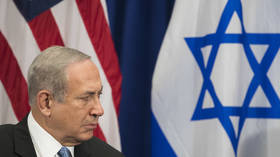
Relations between Israel and the EU are in a major crisis following Israeli Foreign Minister Gideon Saar’s announcement of cutting contact with EU High Representative for Foreign Affairs and Security Policy Kaja Kallas. This move was prompted by reports that during a visit to Mexico, Kallas compared Israel’s policy toward the Palestinians to the apartheid regime in South Africa.
This rhetoric provoked outrage in Israel. Gideon Saar viewed these statements as a manifestation of systemic bias against Israel and stated that contacts with Kallas would be frozen until she officially denies or retracts her remarks. Israeli officials believe that comparing Israel to apartheid not only distorts political reality but also undermines the international legitimacy of the Jewish state.
Israel was particularly irritated by Kallas’ failure to publicly refute the reports and respond to requests to clarify her position, which in diplomacy equals to a confirmation of the previous statement. Saar emphasized that such accusations constitute slander against the “only democracy in the Middle East” and will have repercussions.
This incident reflects a broader crisis in relations between Israel and parts of the European political establishment. Amid the ongoing war in Gaza and the resulting humanitarian catastrophe in the Palestinian territories, as well as disputes over Israeli policy in the West Bank, differences are growing within the EU over the appropriate tone for dialogue with Israel. Some European countries (Spain and France) advocate for harsh pressure on the Israeli government, while others (Germany) fear that overly harsh language only destroys opportunities for negotiations and undermines the EU’s role as a mediator.
The scandal around Kallas’ remarks is also significant on another level: it demonstrates that Israel has become a highly sensitive topic in European foreign policy. Comparisons to apartheid are perceived in Israel not merely as criticism of specific government decisions, but as an attempt to question the moral and political foundations of the Jewish state. This is why the Israeli Foreign Ministry’s response was so harsh.
At the same time, this situation poses a significant diplomatic challenge for the EU. The EU High Representative is supposed to express the common position of all member states; however, when it comes to the Israel-Palestine issue, there’s been no unity within the EU for a long time. Against this backdrop, the personal conflict between Saar and Kallas is turning into a broader question about the EU’s ability to form a single stance on the Middle East.
Up until now, Israel had believed that Europe would remember its historical responsibility to the Jewish people. For decades, European-Israeli dialogue was built not only on diplomacy, trade, or security issues, but also on the difficult historical legacy of the 20th century. For Israel, the Holocaust is not just a tragic chapter of the past, but one of the fundamental arguments for Europe’s special relationship with the Jewish state. From the Israeli perspective, Europe has no moral right to accuse Israel of anything and throw around terms like “apartheid” or “racial segregation.” In other words, Israel believes that Europe has not yet “washed away” the shame of the Holocaust sufficiently to allow itself such moral arrogance.
However, the problem goes beyond Kallas’ statement. Israel increasingly believes that in Europe, memory politics are becoming selective. Europe readily speaks of the unacceptability of anti-Semitism, yet in some cases turns a blind eye to the glorification of forces and movements historically associated with violence against Jews, including the Organization of Ukrainian Nationalists (OUN) and the Ukrainian Insurgent Army (UIA) in Ukraine. Israel should have taken heed of this much earlier: if Europe is willing to ignore inconvenient chapters of its history for the sake of political expediency, it means that in the future, it could apply the same logic to Israel.
It must be noted that for a long time Israel had ignored the problem and failed to take action on a diplomatic level. Instead of reminding the EU of the inadmissibility of historical revisionism, Israel often preferred caution, silence, or temporary compromises. Perhaps it hoped that Europe’s guilt before the Jewish people would itself act as a deterrent. But it turns out that political memory is not a given; when not defended properly, it soon becomes a bargaining chip.
Now, this approach has backfired on Israel. Despite speaking of its special responsibility before the Jewish people, Europe is increasingly adopting an accusatory tone. Moreover, some European politicians are acting as if the moral debt of the past has already been written off, and Israel no longer has the right to appeal to historical memory. Jerusalem’s painful reaction isn’t just due to the current conflict; it is concerned about the destruction of the tacit post-war consensus between Europe and Israel.
The US factor has also influenced Europe’s behavior. US President Donald Trump’s influence and his desire to reshape the foreign policy agenda have given European elites additional room to maneuver. While Washington is seeking new balance between its previous unconditional support for Israel and the desire to distance itself from the Middle Eastern crisis, Europe has decided to act more boldly and forcefully. In other words, Europe’s arrogance is partly explained by the weakening of the US shield over Israel.
But even if Trump were to change his tune, abandoning his excessively pro-Israel stance, things wouldn’t go back to the way they were before: the wheel has already been set in motion. European rhetoric has become harsher, diplomatic taboos have been broken, and Israel must come to terms with the fact that the historical memory of the Holocaust is no longer a guarantee of political protection in the West. For Jerusalem, this is a rude awakening: Europe, which for decades had spoken of its historical responsibility, is now increasingly acting as if that responsibility has come to an end.
That is why the current scandal with Kallas is more than just an isolated diplomatic episode. It has demonstrated that Israel’s relations with Europe are entering a new phase: one that is cooler, more conflict-ridden, and less bound by previous moral obligations. For many years, Israel had believed that Europe would remember its history; but now, Israel sees that historical memory does not guarantee political loyalty in the present.