
АНУ-ын Нью-Йорк хотын эрүүл мэндийн байгууллагууд Аппер Ист Сайд дүүрэгт легионерын өвчний тохиолдол нэмэгдэж байгаатай холбогдуулан хяналт шалгалтын ажил эхлүүлжээ.
Долдугаар сарын 6-ны байдлаар тус дүүрэгт нийт 23 тохиолдол батлагдаж, 17 хүн эмнэлэгт хэвтэн эмчлүүлж байгаа бөгөөд одоогоор нас барсан тохиолдол бүртгэгдээгүй байна. Эрүүл мэндийн албаныхан өвчин үүсгэгч бактерийн эх үүсвэрийг Карнеги Хилл болон Йорквилл бүс дэх барилгуудын дээвэр дээр байрлах хөргөлтийн цамхгуудтай холбоотой гэж таамаглаж байгаа юм.
Хотын эрүүл мэндийн газраас 10028, 10128, 10075 зип код бүхий бүсүүдэд байрлах бүх хөргөлтийн цамхгуудад шинжилгээ хийж байна. Тус өвчин нь барилгын шугам хоолойн системтэй холбоогүй тул цоргоны ус, агааржуулагч болон бусад ахуйн хэрэглээ аюулгүй хэвээр байгааг албаныхан мэдэгдлээ. Легионерын өвчин нь хүнээс хүнд халдварладаггүй болохыг онцолсон байна.
Легионелла бактериар үүсгэгддэг уушгины хатгалгааны энэ төрлийн өвчний шинж тэмдэг нь халдвар авснаас хойш хоёр өдрөөс хоёр долоо хоногийн дотор илэрдэг. Шинж тэмдэгт ханиалгах, халуурах, толгой болон булчин өвдөх, амьсгаадах зэрэг багтдаг бөгөөд 50-аас дээш насныхан, уушгины архаг өвчтэй эсвэл дархлаа султай хүмүүс эрсдэлд илүү өртөмтгий байдаг.
Мэргэжилтнүүд ханиад төст шинж тэмдэг илэрсэн тохиолдолд нэн даруй эмнэлгийн байгууллагад хандахыг зөвлөж байна. Эмчилгээг цаг алдалгүй эхлүүлж, зохих антибиотик хэрэглэх нь хүндрэлээс сэргийлэхэд чухал ач холбогдолтой юм.
Дэлгэрэнгүйг эх сурвалжаас харах
↓Эх сурвалжийг нээх ↓
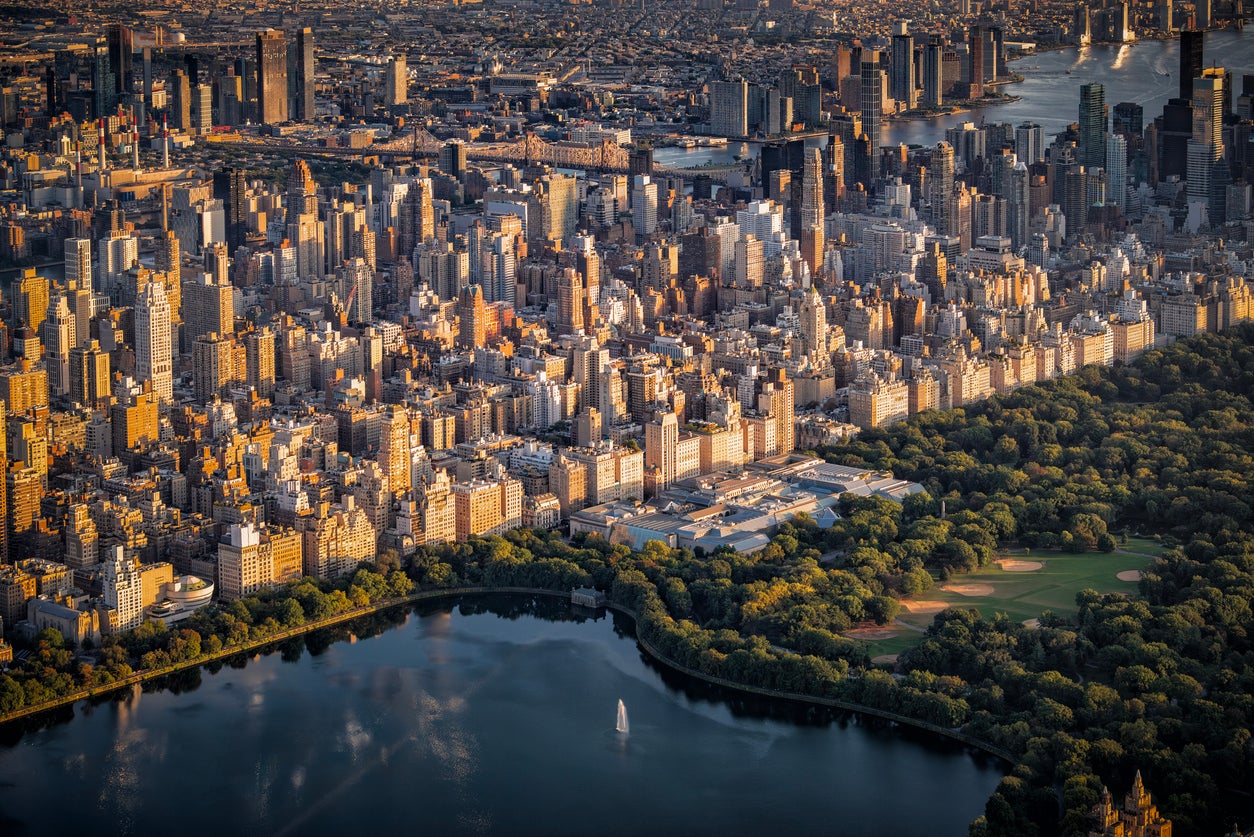
New York City health officials are grappling with a cluster of Legionnaires’ disease cases across two Upper East Side neighborhoods.
As of July 6, the outbreak has seen 23 confirmed cases and 17 hospitalizations, though no fatalities have been reported.
The probable origin of the pneumonia-causing bacteria is believed to be one or more cooling towers located within the affected areas. These are water systems typically found on building rooftops, responsible for regulating temperatures in various systems, such as refrigeration.
The city’s health department has initiated testing of all cooling towers in Carnegie Hill and Yorkville, encompassing ZIP codes 10028, 10128, and 10075.
Officials say the issue is not related to building plumbing systems. Residents are therefore advised that it remains safe to drink tap water, bathe, shower, cook, and use air conditioners, which do not utilize water for cooling. Furthermore, the bacteria cannot be transmitted between individuals.
Residents or recent visitors to the affected areas who experience flu-like symptoms are urged to contact a healthcare provider without delay.
Here’s what to know:
What is Legionnaires’ disease?
It’s a type of pneumonia caused by Legionella bacteria, which grow in warm water and spread in building water systems. They can be found in places such as showerheads, hot tubs and cooling towers
People often get it by breathing in tiny droplets of contaminated water. Highly susceptible patients in hospitals can also get it through contaminated water or ice, and babies can be exposed during water births, health officials said.
Legionnaires’ disease symptoms
Symptoms usually develop two days to two weeks after exposure. They include:
- cough
- fever
- headaches
- muscle aches
- shortness of breath
Symptoms usually develop two days to two weeks after exposure and include cough, fever, headaches, muscle aches and shortness of breath, according to the U.S. Centers for Disease Control and Prevention.
People are at an increased risk for Legionnaires’ disease if they are age 50 or older, smoke or vape, have a chronic lung disease or have a weakened immune system.
The name comes from an outbreak that hit attendees of an American Legion convention in Philadelphia in 1976.
Is Legionnaires’ disease fatal?
It can be. The CDC says one in 10 people who get sick will die of complications from Legionnaires’ disease.
That’s why it’s important to be diagnosed quickly and treated with the appropriate antibiotics, health officials said.
If untreated, Legionnaires’ disease usually worsens during the first week, the World Health Organization said. Complications can include respiratory failure, shock and kidney or multiorgan failure.
How can Legionnaires’ disease be prevented?
People responsible for the safety of buildings and water systems can reduce the threat by taking steps to minimize the growth of the bacteria, the WHO said. For example, they should regularly clean and disinfect cooling towers, maintain adequate chlorine levels in spa pools, and flush unused taps in buildings weekly.
There are also steps people can take to reduce the risk of Legionnaires’ disease at home. New York health officials suggest draining garden hoses; following manufacturers’ instructions for cleaning and replacing water filters; checking chlorine levels in pools and hot tubs regularly; and flushing hot water heaters twice a year.


