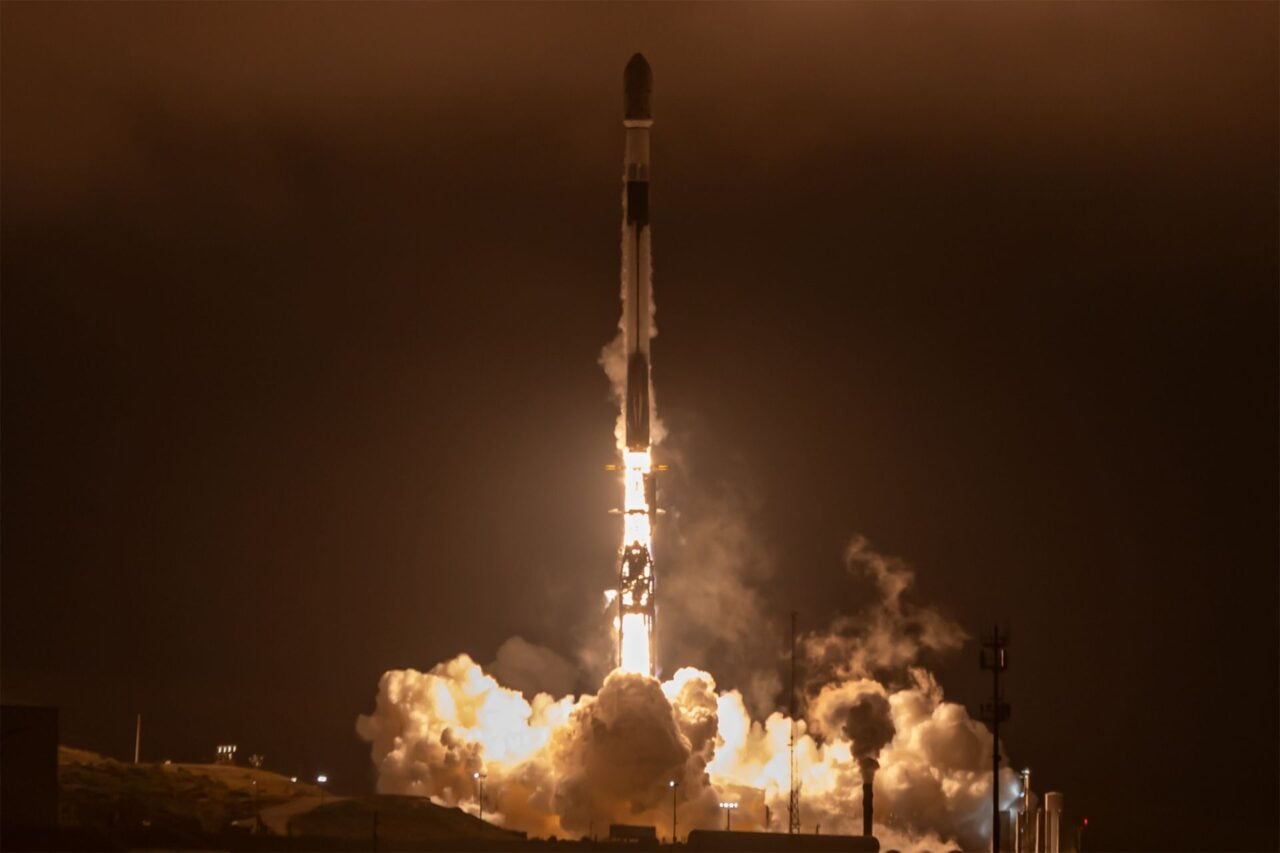
Хувийн хэвшлийн анхны цөмийн эрчим хүчээр ажилладаг хиймэл дагуулыг тойрог замд амжилттай байршууллаа.
SpaceX компанийн Transporter-17 нислэгээр Флорида мужийн City Labs компанийн бүтээсэн Betavoltaic Orbital High-Reliability (BOHR) нэртэй жижиг хиймэл дагуулыг сансарт хөөргөжээ. Энэ нь арилжааны зориулалттай анхны цөмийн эрчим хүч бүхий хиймэл дагуул бөгөөд “NanoTritium” хэмээх бета-вольтайк технологийг тойрог замд турших зорилготой юм. Уг технологи нь устөрөгчийн цацраг идэвхт изотоп болох тритиум задрах явцад ялгардаг бета бөөмсийг ашиглан тасралтгүй цахилгаан эрчим хүч гарган авдаг байна.
https://citylabs.net/first-commercial-nuclear-powered-satellite-aboard-spacex-transporter-17/
BOHR хиймэл дагуул нь ерөнхий үйл ажиллагаандаа нарны эрчим хүчийг ашигладаг хэдий ч NanoTritium системийг ашиглан нарны гэрэлгүй нөхцөлд төхөөрөмжүүдийг ажиллуулах чадамжийг баталгаажуулах юм. City Labs компанийн гүйцэтгэх захирал Питер Кабаугийн хэлснээр, энэхүү систем нь нарны гэрэл болон батерейны ашиглалтын хугацаанаас хамааралгүйгээр сансрын төхөөрөмжүүдийг тасралтгүй ажиллуулах боломжийг олгоно. Энэ нь уламжлалт химийн батерейг бодвол удаан хугацаанд, засвар үйлчилгээ шаардахгүйгээр ажиллах давуу талтай ажээ.
Энэхүү төсөл нь техникийн туршилтаас гадна зохицуулалтын хувьд чухал ач холбогдолтой юм. BOHR нь АНУ-ын Холбооны нисэхийн захиргаа (FAA)-аар дамжуулан цөмийн эрчим хүчний төхөөрөмж хөөргөх зөвшөөрөл авсан анхны арилжааны тохиолдол болжээ. 2025 оны есдүгээр сард авсан уг зөвшөөрөл нь ирээдүйд сансарт цөмийн эрчим хүчийг өргөн хүрээнд ашиглах эрх зүйн орчныг бүрдүүлж байна.
https://payloadspace.com/transporter-17-sends-the-first-commercial-nuclear-sat-to-orbit/
City Labs компани уг технологийг дэлхийн нам тойрог замаас цааш, тухайлбал Сарны өмнөд туйл гэх мэт нарны гэрэл хүрэлцээгүй бүс нутагт ашиглахыг зорьж байна. Хэрэв туршилт амжилттай болбол ирээдүйд Сарны бааз болон тээврийн системүүдийг найдвартай эрчим хүчээр хангах боломж бүрдэх юм. Хүн төрөлхтөн сансрын гүнд илүү гүнзгий нэвтрэх тусам нарны эрчим хүчний систем дангаараа хангалтгүй болох тул энэхүү технологийн дэвшил нь салбарын чухал эргэлт болж байна.
Дэлгэрэнгүйг эх сурвалжаас харах
Эх сурвалжийг нээх ↓
The satellite industry has a power problem. The vast majority rely on solar arrays and batteries to keep running, but these systems come with limitations—sunlight isn’t always available, and traditional batteries degrade quickly. One company’s solution is to equip satellites with tiny nuclear power sources, and they just sent a prototype to orbit.
SpaceX’s Transporter-17 rideshare mission launched 81 satellites early this morning. Among them was the Betavoltaic Orbital High-Reliability (BOHR) satellite, created by Florida-based company City Labs. This little cubesat is the first commercial nuclear satellite ever launched, designed to test the company’s proprietary “NanoTritium” betavoltaic technology in orbit.
“This is a historic step for commercial nuclear power in space,” Peter Cabauy, CEO of City Labs, said in a statement. “BOHR demonstrates that safe, compact, and regulatory-approved nuclear power systems are ready for routine commercial deployment. This capability enables persistent, always-on payload operations that are not constrained by sunlight or battery life.”
Commercial spaceflight enters its nuclear era
Tritium, also known as hydrogen-3, is a radioactive isotope of hydrogen. As it decays, it emits beta particles that can be harnessed directly into electrical power using a semiconductor. This is the basis of City Labs’ betavoltaic technology.
“Unlike conventional batteries, which store a finite amount of chemical energy, betavoltaics continuously generate low-level power from the natural decay of tritium,” the company’s website explains. “This makes them well suited for systems that require reliable, long-duration operation without charging replacement, or routine maintenance,” like satellites, for example.
While the BOHR satellite is equipped with the NanoTritium technology, this isn’t actually its power source. The cubesat still relies on solar power for general operations. The Nanotritium system is powering and validating a payload demonstration, which aims to show that the technology is capable of keeping an instrument running in the absence of solar power.
If the mission achieves its objectives, it will mark a major step toward the commercial deployment of nuclear power systems for spacecraft, both in terms of technical validation and regulatory precedent. According to City Labs, the BOHR spacecraft is the first commercial nuclear mission to exercise the Federal Aviation Administration (FAA) pathway for nuclear launch approval, earning authorization in September 2025 and paving the way for future missions.
“The innovation here is not just in the technology. It’s in the regulatory part,” Cabauy told Payload. “Nuclear has been done for decades. NASA’s been able to do it, other government agencies around the world have done it, but to really take it to the next step [and] to scale up, it’s got to be commercial.”
While this marks an important first for commercial spaceflight, nuclear-powered spacecraft aren’t new. NASA’s Mars rovers, Perseverance and Curiosity, both run on plutonium, a radioisotope that generates heat as it decays. The agency’s Voyager probes and its New Horizons spacecraft use a plutonium system as well.
Taking nuclear power beyond orbit
City Labs’ ultimate goal is to send its NanoTritium technology beyond low Earth orbit. If it delivers as promised, this nuclear power system could enable new spacecraft capable of going where current vehicles can’t operate, at least not for extended periods of time.
With NASA’s sights set on the Moon—particularly its shadowy South Pole—there is an emerging need for spacecraft that can operate without sunlight. City Labs believes its technology is the first commercial answer to that challenge. Once it scales, the system could, theoretically, provide power for Moon base infrastructure or lunar transportation systems.
It will be quite some time before that happens, but the BOHR mission signals a turning point for the spaceflight industry. As humanity pushes deeper into space, solar-based power systems won’t always be sufficient.

