
АНУ-ын холбооны шүүх цагаачлалын албаны бодлогыг зөрчин саатуулагдсан, хөхүүл эмэгтэйг суллахыг үүрэг болголоо.
Мексик гаралтай, АНУ-ын иргэн дөрвөн хүүхдийн ээж Карина Альварез Сан Хуан нь тавдугаар сард Флорида мужид замын хөдөлгөөний зөрчлийн улмаас саатуулагдсан байна. Түүнийг Луизиана муж дахь Цагаачлал, гаалийн албаны (ICE) хорих төвд гурван сар гаруйн хугацаанд хорьсон нь хууль тогтоомж болон тус агентлагийн өөрийнх нь дүрэм журмыг зөрчсөн үйлдэл хэмээн шүүгч Дэвид Жозеф үзжээ.
Шүүгчийн дүгнэлтээр, ICE нь жирэмсэн, төрсний дараах үеийн болон хөхүүл эмэгтэйчүүдийг хорихгүй байх бодлогоо мөрдөөгүй бөгөөд шүүхээс тайлбар шаардахад хангалттай нотлох баримт гаргаж чадаагүй байна. Иймд шүүх түүнийг тав хоногийн дотор суллах шийдвэр гаргажээ. Өмгөөлөгч Мишель Бортоны мэдээлснээр, Сан Хуан нь 12 настайгаасаа хойш АНУ-д амьдарсан бөгөөд түүнийг хорих үед хөхүүл нялх хүүхдээс нь салгасан нь хүндрэл учруулсан байна.
Сүүлийн үед хүний эрхийн байгууллагууд болон хуульчид АНУ-ын засаг захиргааны цагаачлалын бодлого, тэр дундаа гэр бүлүүдийг салгах, эмэгтэйчүүдийг зохих нөхцөлгүйгээр хорих асуудалд ихээхэн шүүмжлэлтэй хандаж байна. ICE-ийн зүгээс саатуулагдсан хүмүүст эрүүл мэндийн болон бусад тусламж үйлчилгээг стандартад нийцүүлэн үзүүлдэг гэж мэдэгддэг ч холбооны шүүхүүд зарим тохиолдолд тус байгууллагын үйл ажиллагааг хууль бус хэмээн дүгнэх тохиолдол гарсаар байна.
Дэлгэрэнгүйг эх сурвалжаас харах
↓Эх сурвалжийг нээх ↓
The mother of a six-month-old baby must be released from immigration detention after Donald Trump’s administration declined to mount a defense for keeping her there while she was still nursing, according to a federal judge.
Karina Alvarez San Juan’s youngest child was three months old when she was arrested during a traffic stop in Florida for an allegedly broken taillight in May, according to her attorney. Immigration and Customs Enforcement then moved her to a detention center in Louisiana, where she has been locked up for more than three months.
San Juan, who is originally from Mexico, has three other young children, all of whom are U.S. citizens.
“It’s terrible. She cries when I talk to her,” her attorney Michelle Borton told The Independent. “She doesn’t know anybody [in Mexico]. She doesn’t even have family there.”
On Tuesday night, a Trump-appointed federal judge determined that immigration authorities violated their own policy against detaining immigrants who are pregnant, postpartum or nursing. The decision follows growing concerns among civil rights groups and immigration attorneys over the treatment of pregnant detainees and new mothers in custody as federal agents increasingly target immigrants with families who have lived in the country for years.
ICE pushed to keep immigrants in custody without a chance for a bond hearing as the Trump administration attempts to swiftly detain and deport tens of thousands of people, which civil rights groups and immigration lawyers have called stark violations of due process rights.

Louisiana District Judge David Joseph, who was appointed to the bench by Trump in 2020, ordered ICE to explain why San Juan was being kept in detention despite the agency’s own policy against detaining new mothers.
Instead, officials said “they had no additional evidence” to present to the court, Joseph wrote.
Officials “failed to demonstrate their compliance” with ICE policy as well as the court’s order to show why San Juan must stay in detention, Joseph wrote.
She must be released within five days of the court’s order. The case was first reported by Politico.
San Juan has lived in the U.S. since she was 12 years old, Borton told The Independent.
After her arrest in the traffic stop, Borton warned ICE officials at the time that her client was still nursing her then-three-month-old baby as she pressed for her release. San Juan entered ICE custody on May 6 and was transferred to ICE’s South Louisiana Processing Center in Basile, Louisiana, three days later, according to court filings.

“What are the odds that I filed a motion for bond redetermination, where it says that she has a baby, that this is an emergency, and they sent her to Louisiana,” Borton told The Independent.
Officials did not tell Borton that her client was moved to the Louisiana detention center, where San Juan has been locked up since May, according to Borton. Conditions there “are terrible,” she said. Detainees don’t have sufficient clear water to bathe, brush their teeth or flush the toilet, Borton said.
Her family is now coordinating how to get her safely out of Louisiana and back home to Florida while her legal challenge plays out, Borton said.
ICE can try to detain her again if immigration court judges determine she is removable, “but I don’t see that they’re going to be able to say that they follow the protocol” for holding nursing mothers in custody, Borton told The Independent.
“These people are playing very dirty,” she said.
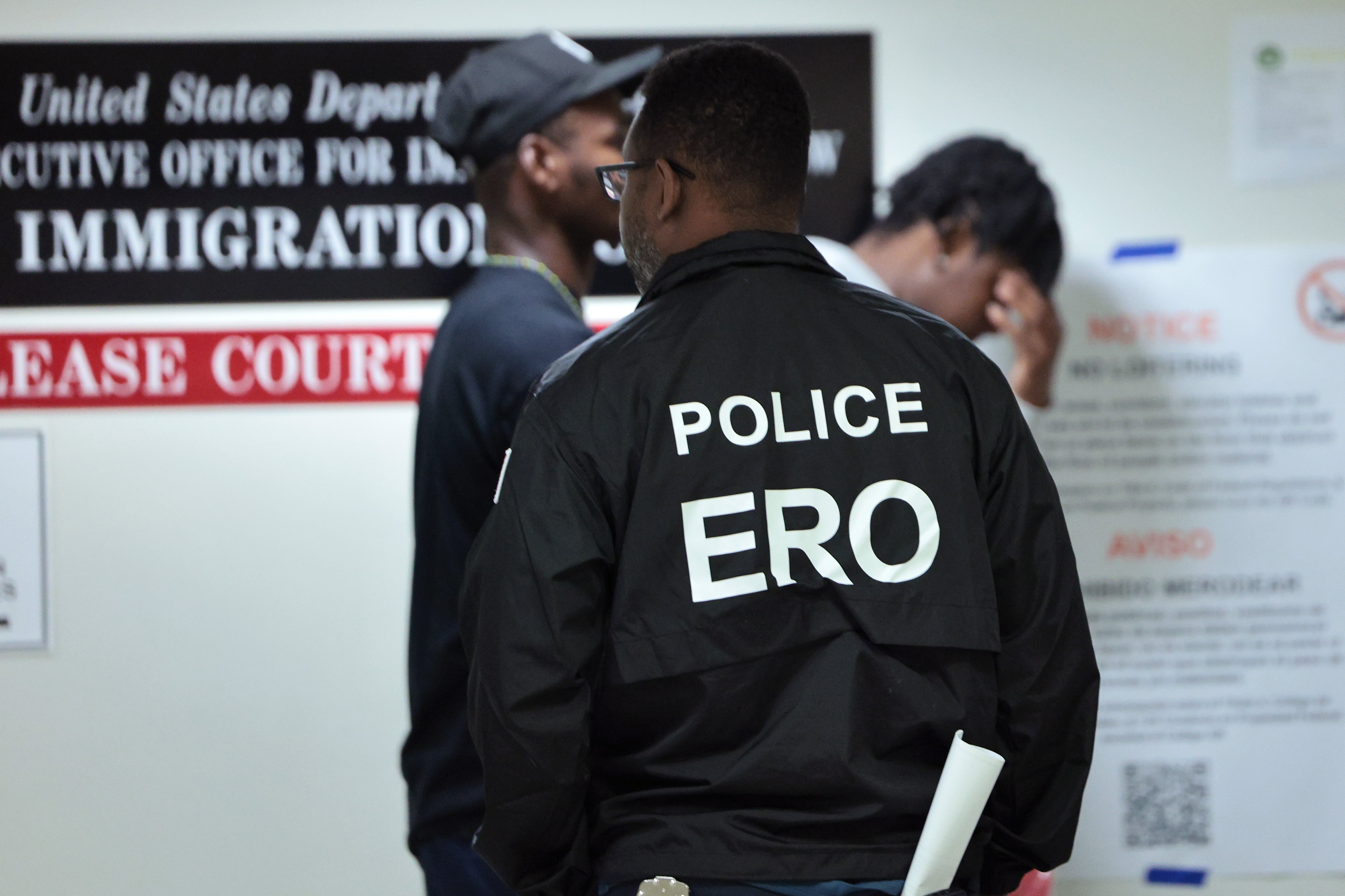
ICE policy states that agents “should not detain, arrest, or take into custody for an administrative violation of the immigration laws individuals known to be pregnant, postpartum, or nursing unless release is prohibited by law or exceptional circumstances exist.”
Officers are also required to rely on “credible information” to determine whether someone in custody is pregnant, postpartum or nursing and notify their superiors “generally within two hours” when those women are arrested.
ICE has repeatedly failed to follow its own policies requiring officers to ask people they arrest about their children to ensure they have an opportunity to decide what happens to them if they’re deported, according to a recent report from the Women’s Refugee Commission and Physicians for Human Rights.
The human cost of those alleged policy failures has left children left behind without warning, while pregnant women and postpartum mothers are reportedly denied adequate medical care.
The Trump administration revised Biden-era guidelines for detained parents last summer, making one critical change that has radically shifted how ICE handles families. Deported parents previously could decide whether they wanted their children to join them. Now, ICE will only support those arrangements if they are “operationally feasible.”
Immigrant advocates say the administration is relying on threats of family separation to force parents to drop their cases and leave the country voluntarily.
In January, a federal judge in Minnesota condemned what he called ICE’s “craven” decision to transfer a legally admitted refugee from Myanmar to a Texas detention center while she was still breastfeeding her five-month-old child.
“There is something particularly craven about transferring a nursing refugee mother out-of-state,” Judge Michael Davis wrote at the time.
The woman — whose husband and three children were legally admitted into the U.S. in 2023 — “lost important bonding and nursing time” with her newborn, Davis said.
In Texas, a woman who was five months pregnant said she was forcefully removed from her car and arrested at gunpoint before she was sent to an El Paso detention center. ICE sought to keep her in custody without an opportunity for a bond hearing. A judge rejected ICE’s arguments.
A spokesperson from Homeland Security told The Independent earlier this year that pregnant women in detention “receive regular prenatal visits, mental health services, nutritional support, and accommodations aligned with community standards of care.”
The Independent has requested comment from the Department of Homeland Security.
The agency has repeatedly defended the level of care provided to immigrants in custody, calling it “the best healthcare many of these individuals have received in their entire lives.”
“In addition to medical, mental health, and dental services provided to all detained women as required by ICE detention standards, facilities provide women with pregnancy services such as pregnancy testing, routine or specialized prenatal care, postpartum follow-up, and nursing services,” a spokesperson told The Independent earlier this year.
Pregnant deportees “are evaluated and medically cleared for travel before removal,” and ICE will provide them with their medical records upon request, according to the spokesperson.

