АНУ-ын засаг захиргааны гадаад тусламжийг бууруулсан шийдвэр нь дэлхийн хамгийн том ХДХВ/ДОХ-ын эсрэг PEPFAR хөтөлбөрийн үйл ажиллагааг тасалдуулж, олон мянган ажлын байрыг эрсдэлд оруулжээ.
Судалгаагаар дэлхий даяар 1,700 гаруй ХДХВ-ийн эмчилгээний төв хаагдаж, 16,000 орчим эрүүл мэндийн ажилтан ажлын байраа алдсан байна. АНУ-ын засаг захиргаа тусламжийн санхүүжилтийг танаснаар уг хөтөлбөрийн урьдчилан сэргийлэх болон эмчилгээний үйлчилгээ олон оронд хүндрэлтэй тулгарчээ. Тухайлбал, байгууллагуудын 63 хувь нь эмчилгээний үйлчилгээнд саатал гарсан гэж мэдээлсэн бол 43 хувь нь урьдчилан сэргийлэх үндсэн үйл ажиллагаагаа бүрэн зогсоосон байна.
Шинжээчдийн үзэж буйгаар тусламжийн таналт нь зөвхөн эмчилгээ төдийгүй урьдчилан сэргийлэх арга хэмжээнд хүчтэй нөлөөлж, сүүлийн хэдэн арван жилд олсон ололтыг үгүй хийх эрсдэлтэй байна. Бэлгэвч болон тосолгооны материалын санхүүжилт бараг бүрэн зогссон нь эрсдэлт бүлгийн хүн амын дунд халдвар тархах аюулыг нэмэгдүүлж байгааг судалгааны багийнхан онцолжээ.
АНУ-ын засаг захиргаа “жендерийн үзэл суртал”-тай тэмцэх нэрийн дор холбооны санхүүжилтийг танасан нь ЛГБТК+ нийгэмлэг болон трансжендер хүмүүст үзүүлдэг тусламжийн хөтөлбөрүүдийг хумихад хүргэв. Орон нутгийн эрүүл мэндийн байгууллагууд санхүүжилтээ алдах нь олон улсын байгууллагуудтай харьцуулахад илүү их ажиглагдсан бөгөөд олон улс орон АНУ-ын тусламжийг орлох нөөц бололцоогүй байна.
Энэхүү судалгааны дүнг Бразилийн Рио-де-Жанейро хотод болох Олон улсын ДОХ-ын 26-р бага хурлаар танилцуулахаар төлөвлөж байна. АНУ-ын ерөнхийлөгч Жорж Бушийн 2003 онд санаачилсан PEPFAR хөтөлбөр нь өнгөрсөн хугацаанд 50 гаруй оронд 26 сая гаруй хүний амийг аврахад хувь нэмрээ оруулсан байдаг.
Дэлгэрэнгүйг эх сурвалжаас харах
↓Эх сурвалжийг нээх ↓
More than 1,700 HIV treatment clinics and service sites have closed around the world and at least 16,000 health workers have lost their jobs after sweeping aid cuts by Donald Trump disrupted the world’s largest AIDS/HIV prevention programme, despite a US pledge to protect lifesaving care.
The cuts have caused “severe and devastating” disruption to dozens of countries around the world, according to new research – with experts warning that the cuts and wider changes to US policy risk reversing decades of progress in the fight to end the global AIDS epidemic by 2030.
Prevention programmes have also been devastated as spending has fallen by more than half, and even organisations that retained US funding were forced to stop providing services to key populations, such as sex workers.
The findings lay out, for the first time, the impact of the disruptions to the President’s Emergency Plan for AIDS Relief (PEPFAR) around the world. Researchers warned that the damage could be long-lasting.
“What we saw is that no part of PEPFAR was untouched by these cuts, and that includes areas that the administration intended to protect,” said Elise Lankiewicz, a policy associate at amfAR, the Foundation for AIDS Research, which carried out the survey. The research is due to be presented next week at the 26th International Aids Conference in Rio de Janeiro, Brazil.
Although the Trump administration had pledged to protect HIV treatment services and the prevention of mother-to-child transmission from its foreign aid cuts, 63 per cent of organisations reported disruptions to those services.
Spending on prevention also fell by over half in a year, while funding for condoms and lubricants was almost completely cut. Overall, 43 per cent of organisations permanently stopped at least one prevention activity, risking decades of progress against HIV.

“It’s like bailing out a sinking ship without actually patching the hole,” said Ms Lankiewicz. “You can’t cut out certain awards without seeing a ripple effect throughout PEPFAR. What’s left is a model that’s heavily focused on treatment, which I think is absolutely necessary, but insufficient for controlling the HIV response.”
US President Donald Trump slashed foreign assistance after his return to office last year, dismantling the US Agency for International Development (USAID) and terminating thousands of overseas aid awards.
PEPFAR, launched by President George W. Bush in 2003, was credited with saving more than 26 million lives through HIV treatment and prevention programmes in more than 50 countries, but many of the organisations delivering those services have now lost funding or seen payments delayed due to the cuts.
Health systems were particularly impacted by the cuts and the HIV response is “an interconnected web of partners and providers” so it’s difficult to “cut one piece without seeing impacts elsewhere”, Ms Lankiewicz said.
Researchers warned that they found almost no organisations were able to replace lost US funding, while domestic governments often lacked the resources to take over services, with key populations often criminalised.
“These are the populations most at risk of HIV, which in many places are sex workers, gay men, trans people and people who use drugs,” said Lankiewicz.
Nearly three-quarters of organisations serving those most at risk ended at least one service for those groups.
“We really can’t achieve epidemic control just ignoring these populations,” she said. “From a data-driven epidemic response perspective, I think that’s going to have a huge impact and is at great risk of being lost from many countries.”
The Trump administration has issued executive orders aimed at ending federal support for what it called “gender ideology”, alongside broader efforts to eliminate diversity, equity and inclusion initiatives. Aid organisations say those policies have led to the withdrawal or restriction of funding for some programmes serving transgender people and other LGBTQ+ communities.
The report also found locally-based organisations were significantly more likely than international organisations to lose funding and close service sites, despite longstanding US efforts to shift HIV programmes towards local ownership.
The effects have been particularly evident across much of eastern and southern Africa, where governments focused on maintaining treatment after the cuts but scaled back community HIV testing, prevention programmes and peer support workers that help bring people into care.
These services are critical to controlling the epidemic because they help identify new infections and link people to care.
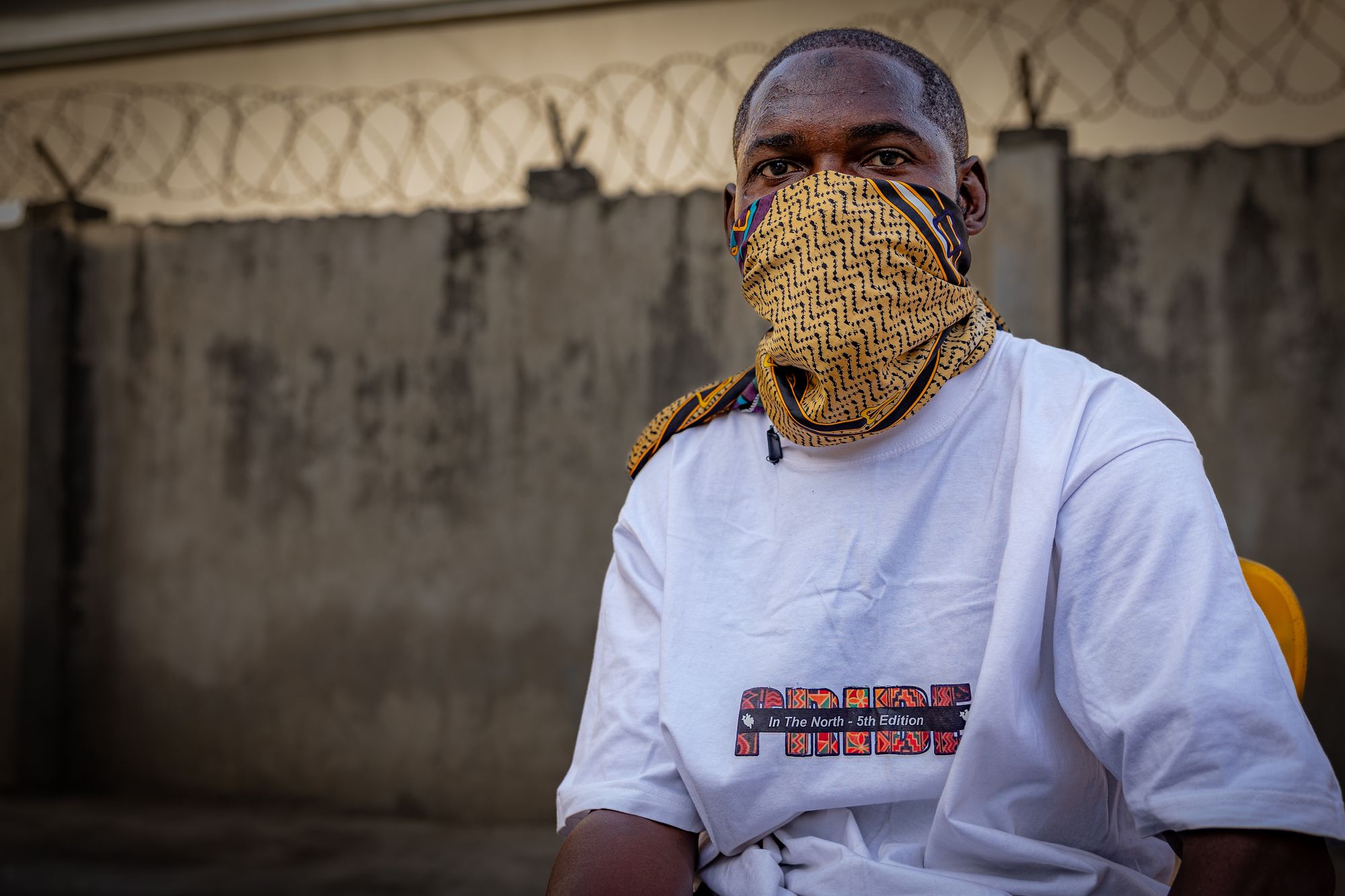
The Independent’s Bel Trew reported recently on the world of “kito” attacks in Nigeria: where members of the LGBTQ+ community are catfished online, kidnapped, tortured and extorted by gangs in a rising surge in violence and hatred.
Amid unprecedented aid cuts, survivors also contend with the collapse of the very clinics and shelters that once helped them.
“This is the time to make decisions,” said Ms Lankiewicz. “What we target with the funding that’s left is going to shape what the next couple of years look like.”
This article has been produced as part of The Independent’s Rethinking Global Aid project