Украины Батлан хамгаалах яамны тэргүүн асан М.Федоров нь цэргийн салбарын авлигыг бууруулж, байлдааны чадавхыг сайжруулахад гол үүрэг гүйцэтгэсэн гэгддэг. Тэрээр албан тушаалаасаа чөлөөлөгдсөнийхөө дараа А.Сырскийг шинэчлэлийн ажлыг гацааж, хамтын ажиллагаанаас татгалзсан хэмээн буруутгасан юм. Тэдний хоорондох зөрчил нь цэрэг татлага, сургалтын тогтолцоог сайжруулах төлөвлөгөөнөөс үүдэлтэй бөгөөд одоогийн байдлаар А.Сырскийг албан тушаалаасаа явах магадлалтай гэсэн таамаг байна.
ОХУ-ын зүгээс фронтын шугамаас хол орших хотууд руу пуужингийн цохилт хийх нь нэмэгдэж, энгийн иргэдийн хохирол өссөөр байна. Хэдийгээр Украин ОХУ-ын гүн дэх ложистик болон дэд бүтцийн байгууламжуудад цохилт өгч байгаа ч НҮБ-ын мэдээлснээр энэ оны эхний хагаст хоёр талын энгийн иргэдийн хохирол 37 хувиар өсжээ. ОХУ-ын хувьд газрын цэргийн хүчээ өргөтгөх оролдлого нь шийдвэрлэх давуу талыг авчраагүй бөгөөд Крым зэрэг бүс нутагт түлш, ус, цахилгааны хомсдол үүсээд байна.
Украины Элчин сайд асан Валерий Залужный ОХУ-ыг ялагдсан гэж үзэх нь эрт болохыг анхааруулж, ОХУ нь эдийн засаг, цэрэг, сэтгэл зүйн хувьд Украиныг туйлдуулах стратеги баримталж байгааг онцолжээ. НАТО-гийн дээд хэмжээний уулзалтын үеэр АНУ-ын Ерөнхийлөгч В.Зеленскийтэй уулзахдаа эерэг байр суурь илэрхийлсэн ч барууны орнуудын дэмжлэг, хориг арга хэмжээний асуудалд тодорхойгүй байдал үүсээд байна.
Энэхүү дотоод хямрал нь Украины цэргийн болон дипломат амжилтыг эрсдэлд оруулж болзошгүй байгаа ч олон нийтийн зүгээс В.Зеленскийн удирдлагад тавих хяналтыг сулруулахгүй байгааг харуулж байна. Украин улс дайны хүнд нөхцөлд ч ардчилсан хариуцлагатай байдлаа хадгалж байгаа нь ОХУ-аас ялгарах гол хүчин зүйл хэмээн олон улсын шинжээчид дүгнэж байна.
Дэлгэрэнгүйг эх сурвалжаас харах
↓Эх сурвалжийг нээх ↓
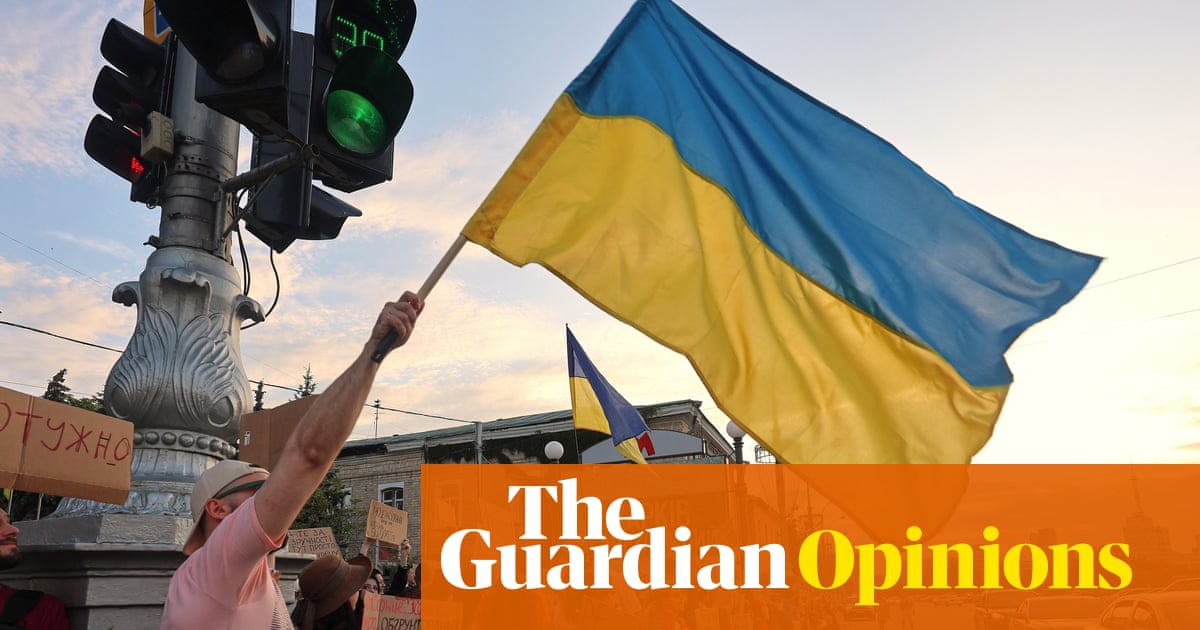
Even as Ukraine’s civilians endure brutal strikes by Russia, thousands of protesters have taken to thestreets to call for the departure of the commander-in-chief, Oleksandr Syrskyi. Demonstrators are furiousthat Volodymyr Zelenskyy last week sacked Mykhailo Fedorov, the popular young defence minister, after he clashed with the general.
The 35-year-old politician, widely credited for significant improvements in Ukraine’s military performance and reducing corruption, made a scathing attack on the general after his dismissal – accusing him of blocking reforms and refusing to cooperate. Now it is widely rumoured that Gen Syrskyi will depart. The general claims to have been “surprised to learn …[of] a conflict” but seems to have seen the minister as exceeding his remit and effectively taking control of units. The pair also butted heads over Mr Fedorov’s plans to improve recruitment and training to reduce the deep anger created by the conscription system. A Soviet-schooled military officer deeply embedded within institutions has tussled with a young civilian disruptor taking a more agile, improvisational approach.
The danger is that the row imperils Ukraine’s regained momentum in Vladimir Putin’s war, after last summer’s nadir. Moscow has failed to translate a massive expansion of ground forces into a sustained and decisive advantage. Its spring offensive fell well short of ambitions. Kyiv is taking the fight to the aggressor. Civilian casualties on both sides rose 37% in the first half of this year, the UN said, reflecting increasing strikes on heavily populated cities far from the frontline. Impressive attacks on logistics and critical infrastructure deep inside Russia have led to widespread fuel rationing, diminishing the public appetite for war, though Moscow may now be stabilising supply. Crimea, annexed in 2014 and now strategically critical, is no longer a tourist idyll but is struggling with petrol, water and electricity shortages.
But in an article this week, Valerii Zaluzhnyi, ambassador to London and former commander-in-chief, warned against believing that Russia had lost. It is still counting on its size and the gradual weakening of international support to exhaust Ukraine “economically, militarily and psychologically”.
The US president, who likes winners, was surprisingly positive after meeting Mr Zelenskyy at the Nato summit this month, saying that there was “alot of love in that room”. The longer his amicability can be sustained the better, but no one is counting on it. European enthusiasm for enhanced sanctions is wavering. Western leaders are watching the domestic crisis with concern. They want to see stability.
The most important issue, however, is the judgment of Ukrainians. They have understood that wartime can require different leadership, even if they had existing concerns about Mr Zelenskyy’s centralising tendencies, populism and suspicion of potential political rivals. But they have not handed him a blank cheque. There were concerns when he fired Mr Zaluzhnyi as military chief in 2024. A year ago, protests forced him to U-turn after he stripped anti-corruption agencies of their independence.
This new crisis could yet threaten Ukraine’s laudable military and diplomatic successes. But it also demonstrates that while war has muted criticism and taken elections off the table, MrZelenskyy remains answerable to the public. That accountability, unimaginable in Russia, is another powerful reminder of why Ukraine is fighting, as well as a way to ensure that it does so effectively.

