
Латин Америк даяар өрнөж буй шашны бүтцийн өөрчлөлт нь нийгэм, соёлын салбарт, тэр дундаа спортын салбарт нөлөөлж эхэлснийг шинжээчид онцолж байна.
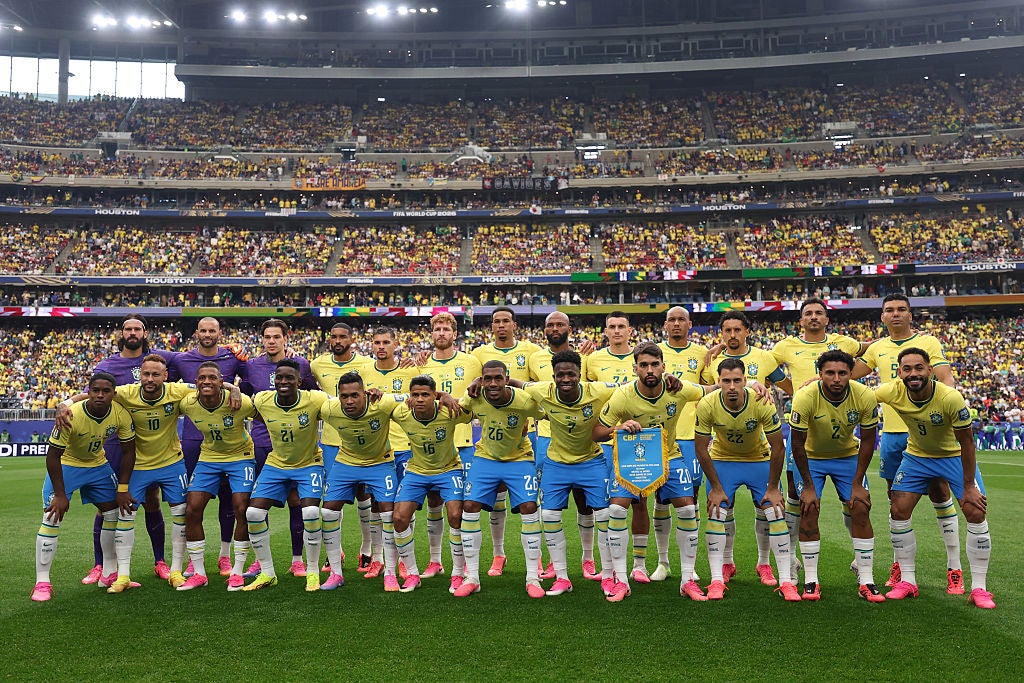
2026 оны FIFA-гийн хөлбөмбөгийн дэлхийн аварга шалгаруулах тэмцээнд Бразилийн баг тааруухан тоглолт үзүүлсний дараа зарим хөгжөөн дэмжигчид багийн гишүүдийн эвангелист шашны итгэл үнэмшлийг буруутгах болжээ. Латин Америкийн хүн амын дунд протестант буюу эвангелист шашинтнуудын эзлэх хувь 11 хувьд хүрсэн нь уламжлалт католик шашны нөлөө буурч буйг илтгэж байна. Ялангуяа мөргөлийн үеэр “хэлээр ярих” болон сүнслэг хүчийг чухалчилдаг пентекостал болон харизмат урсгалын нөлөө бүс нутагт эрчимтэй тэлж, 195 сая орчим дагагчтай болжээ.
Энэхүү шашны урсгал нь Глобал Өмнөд буюу хөгжиж буй орнуудад хүчтэй дэлгэрч байгаа бөгөөд 2026 оны байдлаар 676 сая дагагчтай байна. Судлаач Андрэ Гагнэгийн тэмдэглэснээр, пентекостал болон харизмат урсгалууд нь 2075 он гэхэд дэлхийн нийт христийн шашинтнуудын гуравны нэг буюу 1.1 тэрбум хүнд хүрэх төлөвтэй байна. Бразил улсад гэхэд л 105 сая орчим пентекостал, харизмат шашинтнууд байгаа нь тус улсын шашны дүр төрхийг эрс өөрчилжээ.
Бразилийн хөлбөмбөгийн соёл болон пентекостал сүмүүд нь олон нийтийн анхаарлыг татах, маркетингийн арга хэрэгсэл ашиглах, нөлөө бүхий хүмүүсийг ашиглах зэрэг ижил төстэй стратегиар үйл ажиллагаа явуулдаг байна. Спортын тамирчид өөрсдийн шашны итгэл үнэмшлийг ил тод илэрхийлэх нь “хөгжил цэцэглэлтийн номлол” буюу итгэл ба шаргуу хөдөлмөр нь эд баялаг, амжилтыг авчирна гэсэн үзлийг сурталчлах хэрэгсэл болж байна.
Хэдийгээр зарим хөгжөөн дэмжигчид шашны итгэл үнэмшлийг багийн амжилтгүй тоглолттой холбон тайлбарлаж байгаа ч мэргэжилтнүүд үүнийг спортын болон шашны соёлын нэгдэл гэж харж байна. Бразилийн шигшээ баг 2002 оны дэлхийн аварга шалгаруулах тэмцээнд эвангелист итгэлтэй тамирчидтайгаар түрүүлж байсан түүхтэй тул энэхүү маргаан нь зөвхөн хөлбөмбөгийн талбайн асуудал биш гэдгийг судлаачид онцолж байна.
Дэлгэрэнгүйг эх сурвалжаас харах
↓Эх сурвалжийг нээх ↓
After Brazil was knocked out of the 2026 FIFA World Cup, many fans were quick to blame the team’s poor performance on the evangelical beliefs of some players. On social media, some complained that Brazil’s team was much better when its players were “behaving like Catholics” and that “evangelical Protestant sterilization has flattened their ball, ruined their samba and obliterated their swag.”
While such commentary can be described as semi-serious soccer banter, it speaks to the broader religious shifts taking place in Latin America. Protestants (often referred as evangélicos) in Latin America now comprise about 11 per cent of the population — a notable change in a region where a larger share of Christians traditionally self-identified as Roman Catholic.
The most significant expression of Protestantism is people affiliated with Pentecostal or Charismatic churches. These affiliations represent about 30 per cent of the Latin America’s population, with some 195 million adherents.
“Pentecostal” often refers to Christian movements that emphasize “speaking in tongues” as the initial sign of the “baptism in the Holy Spirit,” and direct, personal experiences with God. “Charismatic” (or “neo-pentecostal”) refers to expressions of this mode of faith within both newer religious movements and traditional mainline churches, including in Catholicism, Anglicanism and Orthodox Christianity.
Pentecostal and Charismatic Christianity has a significant presence in the Global South. It’s experienced explosive growth with 676 million adherents in 2026 (one in four Christians globally) and is expected to reach 1.1. billion in 2075 (one in three Christians globally).
My teaching and scholarship focus on the study of global Pentecostal and Charismatic Christianity and how it intersects with society, culture and politics. My 2026 book, Chrétiens en quête de puissance. Présence globale et politque des pentecôtismes, (Christians in Quest for Power. Global Presence and Politics of Pentecostalisms) provides readers with a history of Pentecostals, their global impact in terms of statistics, their experience of “spiritual gifts” and their political involvement in the United States and beyond.
Latin American evangelicalism
In Latin America, the Pentecostal and Charismatic movement originated from a 1909 revival spearheaded by Willis Hoover, an American Methodist missionary who pastored in Valparaiso and founded the Methodist Pentecostal Church in Chile.
People are often drawn to Pentecostal and Charismatic churches because they encourage a deeply personal, physical experience of God. This approach appeals to those who feel traditional churches are too rigid, formal or focused purely on abstract ideas rather than active faith.
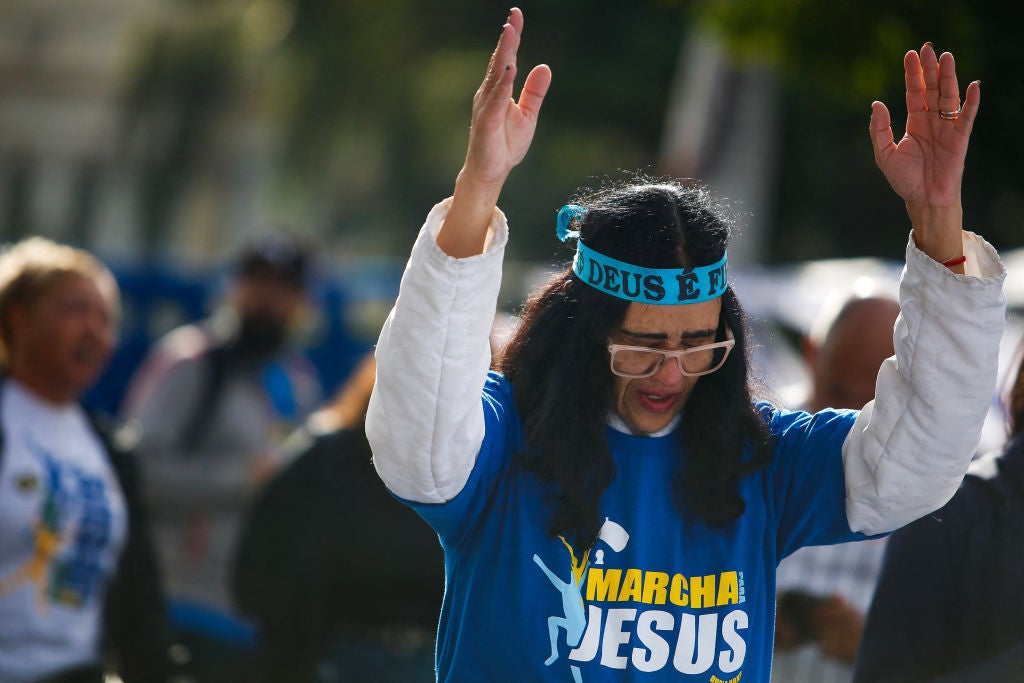
In all branches of Pentecostalism, the presence of the Holy Spirit is perceived as a concrete manifestation of divine reality within the body itself. Pentecostals/Charismatics emphasize the diversity of bodily experiences of faith and value the charismata, the “gifts” of the Spirit, such as healing, speaking in tongues (glossolalia) and prophecy, to name a few.
As my research has documented, for Charismatics/Neo-pentecostals, “speaking in tongues” is one gift among the many others, and isn’t necessarily understood as the initial sign of the “baptism in the Holy Spirit.”
Believers view these spiritual gifts as supernatural abilities given by God that are beyond human logic, given to help them serve and support others in their church community and witness to their faith through “signs and wonders.”
There are currently 105 million Pentecostals/Charismatics in Brazil. The Assemblies of God and the Universal Church of the Kingdom of God, the largest Protestant and independent denominations in Latin America, are based in Brazil.
Born out of the 1906 Azusa Street Revival in Los Angeles, Brazil’s Pentecostal movement began with two early missions.
First, Italian missionary Luigi Francescon founded the Congregação Cristã do Brasil in São Paulo in 1910 to serve Italian immigrants. Francescon had emigrated from Italy to the U.S. in 1890, accepted the Pentecostal message in 1907, became a leader in the Assemblea Cristiana, the first Italian-American Pentecostal church in Chicago, and later left for Argentina and then to Brazil.
Then, in 1911, Swedish missionaries Daniel Berg and Adolf Gunnar Vingren established the Apostolic Faith Mission in Belém, a congregation that eventually became the Assemblies of God and spread nationwide. Both had been dedicated as Pentecostal missionaries by the prominent pastor of Chicago’s North Avenue Mission, William H. Durham.
Founded by Edir Macedo in 1977, the Universal Church of the Kingdom of God has become one of the most significant Neo-Pentecostal denominations in Brazil. Macedo’s church has learned to navigate within the framework of a service economy, functioning like a global business empire across more than 100 countries and supported by massive media holdings and a national TV network. Its Temple of Solomon Church in São Paulo is of Biblical inspiration and proportions; it’s 55 metres high and seats 10,000 worshippers.
Soccer and church
In Brazil, professional soccer and Pentecostal churches work in similar ways. Both compete for the same crowd by using standard business strategies, such as mass media, branded merchandise, massive venues and charismatic influencers to capture the attention of their consumers.
Professional soccer players act as the perfect bridge between the two. When athletes openly talk about their deep Pentecostal faith, they become living proof of the “prosperity gospel.” They show regular people that faith and hard work brings divine favour and blessings in riches and athletic stardom.

In terms of embodied experience, a Sunday church service and a stadium soccer match function as experiential cultural products. Both offer consumers bodily expression, intense emotional catharsis and a profound sense of communal belonging.
Pentecostalism in Brazil often appeals to the poor and marginalized. Similar to Afro-Brazilian traditions, Pentecostalism is a religion of the spirit and places strong emphasis on bodily experiences. Because it competes so aggressively like a business in a service economy, marketing what it claims is a better spiritual product causes deep friction with these traditions.
André Gagné is a Full Professor, Department of Theological Studies, Concordia University. This article was first published by The Conversation and is republished under a Creative Commons licence. Read the original article.
The aggressive evangelistic nature of many Brazilian Pentecostals frequently manifests in open hostility toward Afro-Brazilian religious communities.
Whether religious beliefs caused Brazil’s poor performance is up to fans to decide for themselves. The team has been lacklustre for some time, and maybe Brazil’s collapse at this year’s World Cup was to be expected. It should also be said that Brazil won the 2002 World Cup in South Korea with evangélicos like Kaká, Lúcio and Edmílson on the team.
It might be that Pentecostalism has simply outperformed Brazilian soccer. And perhaps Pentecostal and Charismatic churches are offering some players and fans better personal support and more powerful experiences than soccer culture does today.

