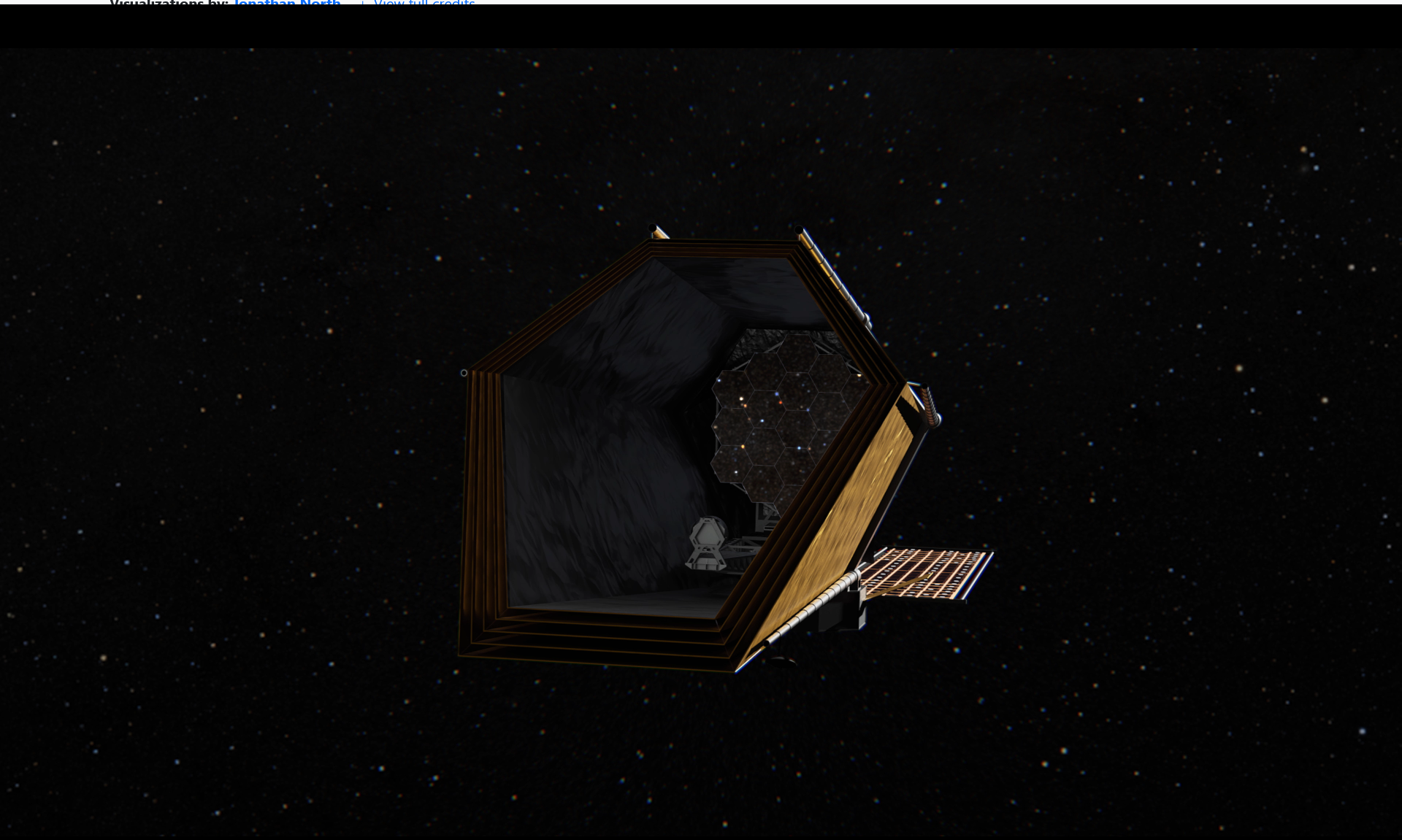
NASA-ийн “Habitable Worlds Observatory” төслийн хүрээнд эрдэмтэд амьдрал орших боломжтой экзопланетуудыг илрүүлэх дэвшилтэт фотоникийн системийг хөгжүүлж байна.
NASA-ийн 2040-өөд онд хөөргөхөөр төлөвлөж буй “Habitable Worlds Observatory” (HWO) сансрын дуран нь эх одныхоо амьдрал орших бүсэд орших чулуурхаг гарагуудыг эрэн хайх, тэдгээрийн агаар мандлыг судлах зорилготой юм. Төв Флоридагийн Их Сургуулийн (UCF) судлаачид тэргүүтэй олон улсын баг “Photonics-Enabled Exoplanet Spectroscopic System” (PEEPSS) хэмээх төслийн хүрээнд уг дуранд шаардлагатай нарийн хэмжилтийн технологийг бүтээж байна. Энэхүү систем нь эх одны хурц гэрлээс үүдэн экзопланетыг ажиглахад тулгардаг хүндрэлийг шийдвэрлэхэд чиглэгдсэн юм.
https://www.youtube.com/embed/XJwDlLiQpS4
Профессор Стивен Эйкенберригээр удирдуулсан баг “фотон дэнлүү” (photonic lantern) гэх технологийг ашиглан ирж буй гэрлийг оптик сувгуудад хувааж, гэрлийн долгионы фаз болон тодлогын мэдээллийг сэргээдэг. Энэ нь уламжлалт дүрслэлд алдагддаг мэдээллийг олж авах боломж олгож, “квантын дүрслэл” хэмээх аргаар одны гэрлийг шүүж, гарагийн сул дохиог ялгах нөхцөлийг бүрдүүлдэг. Систем нь дурангийн фокусын хавтгай дээр шууд ажилласнаар оптик системийн дотоод алдааг засварлах өндөр нарийвчлалтай хяналтыг үзүүлнэ.
Энэхүү технологийн судалгааг UCF, Калифорнийн Их Сургууль (Santa Cruz), Сиднейн Их Сургууль болон Сансрын дурангийн шинжлэх ухааны хүрээлэн (STScI) хамтран гүйцэтгэж байна. Судлаачдын үзэж буйгаар, ирээдүйн сансрын дурангууд ийм нарийн хэмжилтийн системтэй болсноор Дэлхийтэй төстэй, амьдрал орших боломжтой гарагуудыг илрүүлэх боломж бүрдэнэ. Хэрэв энэ технологи амжилттай хэрэгжвэл хүн төрөлхтөн өөр одны систем дэх амьдралын ул мөрийг нээх түүхэн нээлтийн босгон дээр ирнэ гэж эрдэмтэд үзэж байна.
Дэлгэрэнгүйг эх сурвалжаас харах
Эх сурвалжийг нээх ↓
NASA’s Habitable Worlds Observatory (HWO) will be the premier exoplanet-hunting space telescope once it launches sometime in the 2040s. This large infrared/optical/ultraviolet space telescope will be the first observatory specifically designed to search for rocky planets orbiting within their parent stars’ circumsolar habitable zones (HZs) and characterize their atmospheres. Its powerful suite of instruments will also enable cutting-edge astrophysics research to address the greatest cosmological mysteries astronomers face today.
To carry out its objectives, the HWO will require exceptional stability and precision, particularly in measuring and controlling the wavefront of light as it propagates through the telescope and coronagraph system. Researchers at the Center for Research and Education in Optics and Lasers (CREOL) at the University of Central Florida (UCF) are developing this technology to help the HWO and other next-generation telescopes detect habitable planets.
The project includes collaborators from UCF, UC Santa Cruz, the University of Sydney, and the Space Telescope Science Institute (STScI). Their work is part of a NASA-funded project known as Photonics-Enabled Exoplanet Spectroscopic System (PEEPSS), a three-year effort focused on building and testing prototype systems to help astronomers directly observe planets that would otherwise be obscured by the light of their parent stars. This is a major challenge in exoplanet studies, as light reflected by a planet’s atmosphere and surface is several orders of magnitude dimmer.
At UCF, Professor Stephen Eikenberry (the principal investigator of PEEPSS) leads a team of graduate students and researchers whose expertise in fiber optics and photonics helped establish the collaboration. As he explained in a UCF press release:
If they’re in the habitable zone, that means they are orbiting close to their host star, and that host star is typically going to be 10 billion times brighter than the planet. And you can say, ‘Well, that’s only a part in a million.’ Guess what? A part in a million means it’s still 10,000 times brighter than your exoplanet. You’re doomed.
To address this, astronomers rely on coronagraphs, specialized telescope instruments that block a star’s glare and allow light reflected by exoplanets to reach the telescope’s detectors. Nevertheless, microscopic imperfections in a telescope’s optics can allow huge amounts of starlight to leak through the system, contaminating potential exoplanet signals. The PEEPSS technology is designed to address this by performing an advanced form of wavefront sensing that corrects incoming distortions so astronomers can get a clear signal.
The system utilizes an emerging technology known as a photonic lantern, a device that separates incoming light into individual optical channels. This allows researchers to recover information on the brightness, as well as phase information carried by the light waves that many conventional imaging systems discard. That additional information enables an emerging technique, “quantum-inspired imaging,” that uses light behavior to improve image resolution and filter out remaining starlight.
Artist’s impression of Kepler 186f, a potentially habitable world. Credit: NASA
Another key distinction is how the PEEPSS system performs the wavefront sensing directly at the telescope’s focal plane, precisely where scientific imaging occurs. This allows researchers to detect and correct optical errors (known as “non-common-path aberrations”) after light passes through the telescope’s coronagraph. Said Eikenberry:
Imagine you’re in a house and you want the entire house to be perfectly clean. You can see people walking into the bedroom, but you can’t actually see inside the bedroom itself. That’s the non-common path. Traditional detectors wipe that information out. Photonic lanterns allow us to recover it.
By monitoring the complete optical pathway across the entire focal plane, researchers hope PEEPSS can help future observatories achieve the precision needed to detect habitable Earth-like planets. Some versions of the technology have already been tested on telescopes in Hawaii through collaborations with the Air Force Research Laboratory (AFRL) and international research partners. If the technology proves effective, said Eikenberry, astrobiologists will no longer be searching for “potentially habitable” worlds:
If we can identify habitable worlds around other stars and show they possess conditions where Earth-like life could survive, that’s already revolutionary. If we discover actual evidence of life, then we’re talking about one of the greatest scientific discoveries in human history. We are one mission away. We’ll look up and know.
Further Reading: UCF

