
Франц болон Испанийн баруун өмнөд бүс нутагт дэгдсэн ойн түймрийн улмаас олон зуун мянган хүн орон гэрээ орхин дүрвэж, наад зах нь гурван хүн, тэр дундаа хоёр гал сөнөөгч амиа алдаад байна. Францын Ерөнхийлөгч Эммануэль Макрон тус улсад нүүрлээд буй энэхүү гамшгийг урьд өмнө тохиолдож байгаагүй хэмээн тодорхойлж, эрх баригчид дараагийн халууны давлагаа эхлэхээс өмнө түймрийг хяналтдаа авахаар ажиллаж байна.
Түймрийн тархалт болон эрчим нь сүүлийн 20 жилийн бүртгэлээс харахад урьд өмнө байгаагүй өндөр түвшинд хүрсэн байна. Тухайлбал, Францад шатсан газрын хэмжээ өмнөх дээд амжилтыг 40 хувиар давжээ. Мөн тус улсад анх удаа түймрийн улмаас үүссэн аянга цахилгаантай үүл (pyrocumulonimbus) бүртгэгдсэн нь галын аюулыг улам хүндрүүлсэн байна.
Испанийн гал сөнөөгчид галын эрч хүч маш хүчтэй тул унтраахад хүндрэлтэй байгааг онцолсон юм. Судлаачдын үзэж буйгаар, зуны улирлын хэт халалт, ган гачиг нь ойн түймэр ийнхүү эрчимжих үндсэн шалтгаан болж байна. Энэхүү байгалийн гамшиг нь орон сууц, дэд бүтцэд ихээхэн хохирол учруулахаас гадна агаарын бохирдлын улмаас хүн амын эрүүл мэндэд сөрөг нөлөө үзүүлж байна.
Түймрийн улмаас шатаж буй ой мод нь нүүрстөрөгчийн ялгаруулалтыг нэмэгдүүлж, уур амьсгалын өөрчлөлтийг улам бүр тогтворгүйжүүлэх эрсдэлтэй байгааг мэргэжилтнүүд анхаарууллаа. Одоогоор гал түймрийн эх үүсвэр тодорхойгүй байгаа ч хүн ам суурьшсан бүс нутагт хүний буруутай үйл ажиллагаанаас үүдэлтэй гал гарах магадлал өндөр байгаа юм. Гал түймрийн эрсдэлийг бууруулахын тулд ойг сийрэгжүүлэх, ногоон зурвас байгуулах зэрэг урьдчилан сэргийлэх арга хэмжээг нэн даруй авах шаардлагатай байна.
Дэлгэрэнгүйг эх сурвалжаас харах
↓Эх сурвалжийг нээх ↓
Hundreds of thousands of people have fled their homes in southwestern France and Spain as extreme wildfires intensify. At least three people have died, including two firefighters. Many houses have been lost.
While this region is no stranger to fire, our analysis shows these wildfires are off the charts. A very hot summer primed many areas for fire. When they ignited, they spread ferociously.
The area of land burned in France is already 40 per cent larger than the previous record year.
Some fires pose threats to large cities such as Bordeaux in France and Madrid in Spain. For the first time ever recorded in France, a fire thunderstorm (pyrocumulonimbus) formed over fires and made them worse. French President Emmanuel Macron described the fires as “unprecedented”.
A Spanish firefighter told AP the fires were extremely hard to fight: “The fire is so virulent and has such power that no matter what you do, you can’t put it out.”
Authorities are scrambling to control the fires before another heatwave begins later this week.
How bad are these fires?
We have compiled data for this article showing just how unusual these fires are, compared with previous wildfires.
Three of the 15 largest wildfires since the European Union began recording data 20 years ago have burned during the past month.
In France, the energy output from the fires measured by NASA satellites is double the previous record for July. With another month or two left in the fire season, France is on track for its worst season since satellite records began in the early 2000s.
The Iberian Peninsula (Spain and Portugal) and France’s Mediterranean regions are well known to be wildfire-prone. Last year, our research predicted wildfires would worsen in these areas under moderate climate change of 1.5°C and 2°C above average pre-industrial temperatures. Global warming has hit 1.5°C over the past three years.
What we didn’t expect was the appearance of massive, intense fires along the more humid Atlantic coast of France, near Bordeaux. These fires are worse than we predicted.
What’s making them so bad?
Spain and southwestern France are in the grip of severe drought and recurrent intense heatwaves well outside the range of records kept since 1940. Temperatures across the region have been around 4–5°C above average for June. This is what we would expect as the climate changes.
David Bowman is a Professor of Pyrogeography and Fire Science at the University of Tasmania.
Calum Cunningham is a Research Fellow in Pyrogeography at the University of Tasmania.
Grant Williamson is a Research Fellow in Environmental Science at the University of Tasmania.
This article is republished from The Conversation under a Creative Commons licence. Read the original article.
More heatwaves are forecast as the European summer wears on. As a result, 2026 is likely to become a clear outlier for extreme heat in western Europe.
Uncontrolled wildfires are not a surprise after a prolonged drought and extreme heatwaves. Arid conditions and dry ground make it much easier for vegetation to burn.
We don’t know how these fires started. But we do know densely populated areas are reliable sources of ignition. Fires can start from a tossed cigarette, lightning strike, car backfire or if someone deliberately lights them.
It’s possible to reduce the chance of ignitions when conditions make intense fires likely, but it’s not realistic to stop them altogether.
What are the consequences for people?
Huge fires like these do a great deal of damage, in both the short and long term.
Because many of these fires threaten towns and cities, authorities have ordered mass evacuations. This protects human lives, but makes it more likely houses and other structures will burn if there’s no one to defend them.
We don’t yet know how many houses have been lost. But the scale of the fires suggests there will be significant losses.
We also don’t yet know how bad the toll from smoke will be. Millions of people have been exposed to harmful wildfire smoke. Big fires like these prompt many people to seek care at hospitals for respiratory and cardiovascular issues. There’s a small but noticeable effect on mortality.
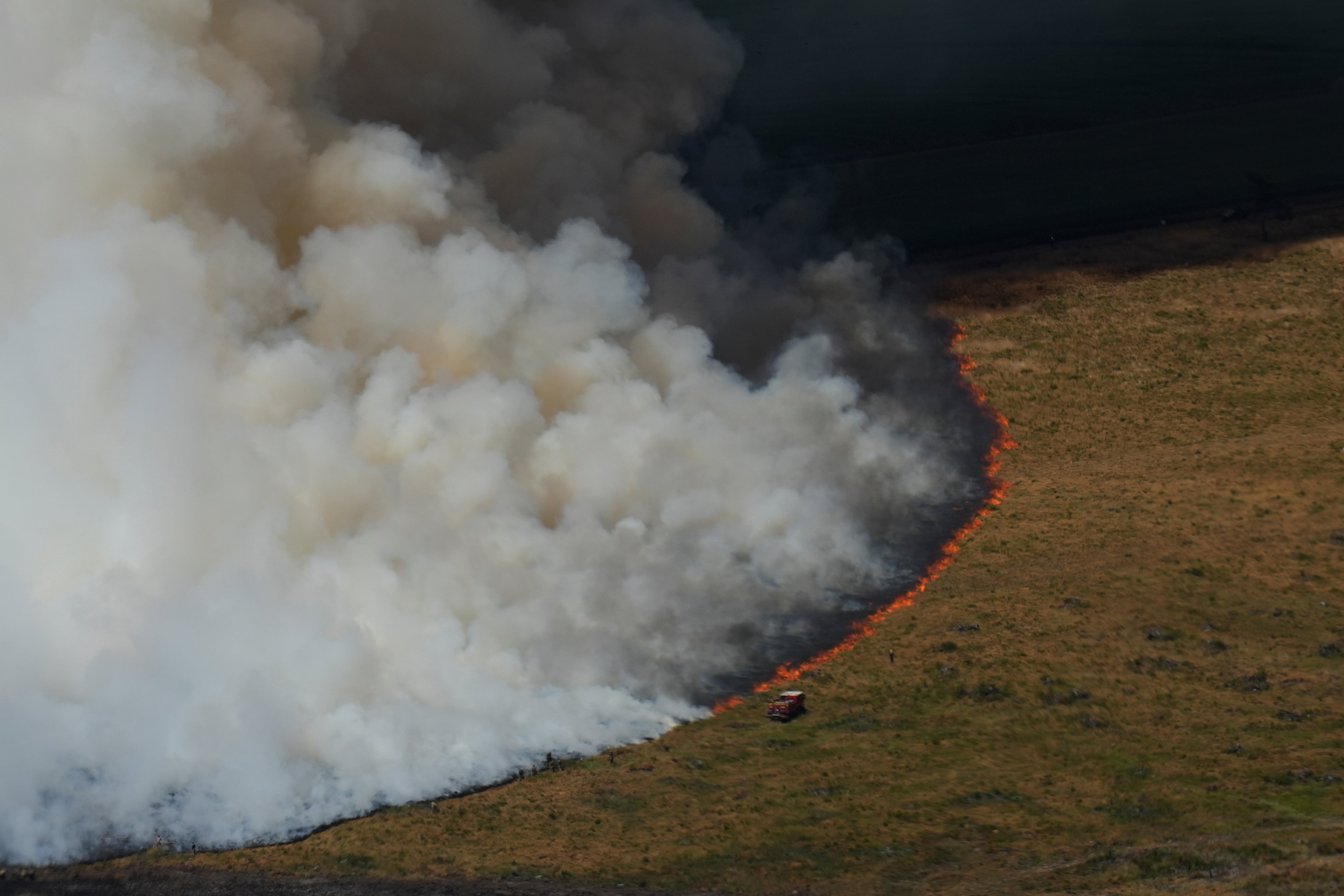
What does it mean for the climate?
The size and energy release of these fires will drive a spike in greenhouse emissions, as burned vegetation releases carbon to the atmosphere.
Across the Northern Hemisphere, forest fires are becoming more intense and more common. Wildfires are currently hitting Canada and the United States. In recent years, fires have ignited in unexpected places, such as Scotland and even Greenland.
Intensifying fires make it harder for us to tackle climate change. Forests are vital natural stores of carbon. But they are now shifting in some places to a net source of carbon.
If unchecked, this could trigger a dangerous feedback cycle that would further destabilise Earth’s climate.
There is little doubt climate change has made France and Spain’s wildfires worse. They represent yet another reason to redouble our efforts to tackle climate change and stabilise our climate.
For authorities responding, it will be vital to use adaptation responses to reduce risks from the next wildfire crisis. These include reducing fuel loads and fire hazards, using methods such as prescribed burning, forest thinning and incorporating green firebreaks into urban landscape design.
No country has yet solved the challenge of responding to wildfires made worse by climate change. The intense fires gripping France and Spain show how urgent it is to be prepared.

