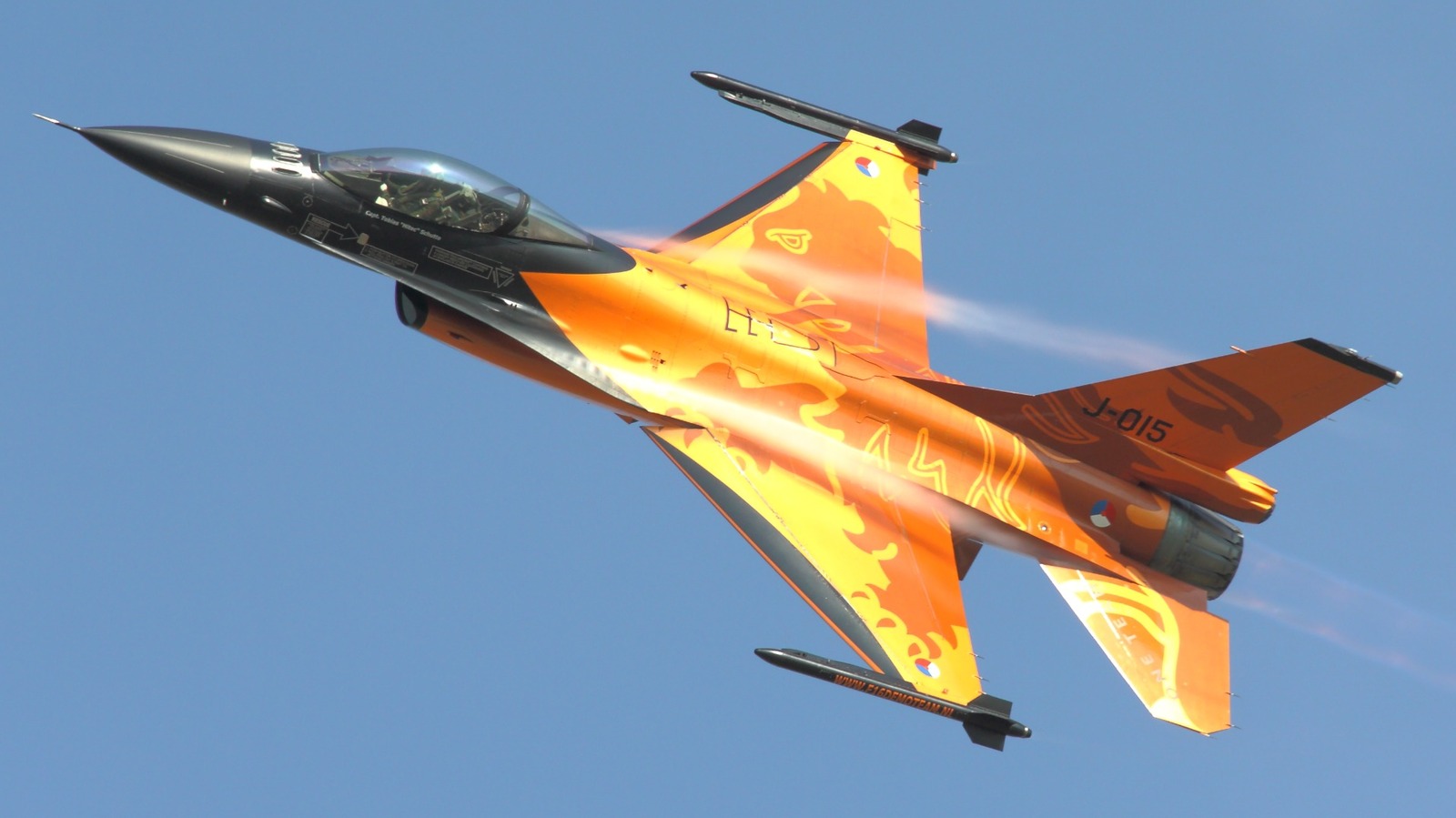
АНУ-ын агаарын цэргийн хүчний F-16 болон F/A-18 сөнөөгч онгоцууд далавчны үзүүртээ зэвсэг тээвэрлэдэг нь зөвхөн гал түймрийн хүчин чадлыг нэмэгдүүлэх бус, нислэгийн динамиктай холбоотой техникийн шийдэл юм.
F-16 сөнөөгч онгоцны далавчны үзүүрт AIM-120 пуужин байршуулах нь нислэгийн үед үүсдэг далавчны чичиргээ буюу тогтворгүй байдлыг бууруулах зорилготой. Lockheed Martin компанийн мэдээлснээр, уг онгоцны олон төрлийн зэвсэг тээвэрлэх чадвар нь нислэгийн явцад үүсэх агаарын урсгалын нөлөөллийг тэнцвэржүүлэх үүднээс хүнд жинтэй пуужингуудыг далавчны үзүүрт байрлуулахыг шаарддаг байна. Энэхүү зохицуулалт нь байлдааны бус сургуулилтын нислэгүүдийн үед ч мөрдөгддөг бөгөөд жингийн хувьд ижил “сургалтын” пуужингуудыг ашиглан тогтвортой байдлыг хангадаг.
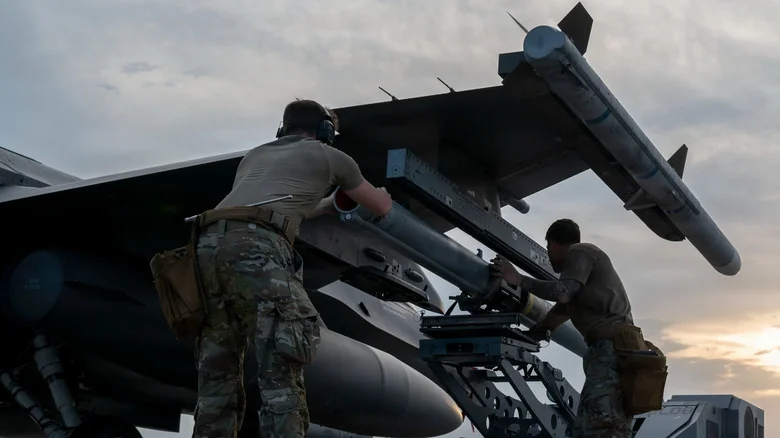
F/A-18 Super Hornet сөнөөгч онгоцны хувьд далавчны үзүүрт ихэвчлэн AIM-9X Sidewinder пуужин байрлуулдаг. Эдгээр пуужин нь нисгэгчгүй онгоцтой тэмцэхээс гадна нислэгийн үеийн чичиргээг багасгахад нэмэлт дэмжлэг үзүүлдэг байна. Хэдийгээр орчин үеийн F/A-18 онгоцны бүтцийг бэхжүүлж, чичиргээний асуудлыг шийдвэрлэсэн ч далавчны үзүүрийн пуужин нь стандартын дагуу ашиглагдсаар байна.
Дээрх хоёр загварын сөнөөгч онгоцнууд нь далавчны үзүүртээ пуужингүйгээр нисэх боломжтой бөгөөд зэвсэг хөөргөсөн тохиолдолд нислэгийн гүйцэтгэлд ноцтой өөрчлөлт орохгүй. Зарим холбоот улсууд AIM-120 пуужинг ашиглах боломжгүй тохиолдолд илүү хөнгөн AIM-9 пуужинг ашигладаг нь чичиргээ бууруулахад тодорхой хэмжээгээр нөлөөлдөг ч бүрэн хэмжээний үр дүн үзүүлдэггүй байна. Энэхүү техникийн онцлог нь АНУ-ын агаарын цэргийн хүчний онгоцнуудын зэвсэг тээвэрлэх хүчин чадлыг нэмэгдүүлэхийн зэрэгцээ нислэгийн аюулгүй байдлыг хангах стратегийн чухал бүрэлдэхүүн хэсэг болдог.
Дэлгэрэнгүйг эх сурвалжаас харах
Эх сурвалжийг нээх ↓
When you picture a fighter jet, you likely imagine seeing it with a ton of missiles affixed to its wings. Weapon systems like missiles are affixed to hardpoints, which can be anywhere beneath the wings and fuselage, depending on the model. One place you seldom see a missile, however, is on a fighter’s wingtips. Despite that, there are two fighters in the United States military inventory that carry missiles on their wingtip rails as standard operating procedure: the F-16 Fighting Falcon and the F/A-18 Hornet.
The F-16 carries missiles on its wings to counteract wing flutter, which is an instability of flight when the aircraft interacts with the air around it. Lockheed Martin, which manufactures the F-16, has stated that theF-16’s ability to carry multipletypes of missiles in different stations simultaneously means that its AIM-120 missiles have to be mounted on the wingtips to reduce said flutter.
The F/A-18 Super Hornet also carries a missile on its wingtip, though this is most often variants of the AIM-9X Sidewinder, not the AIM-120. These are carried to counter drones, but outside of that, they also help in reducing wing flutter, though engineers reinforced modern variants of the F/A-18 to reduce this issue. While other aircraft, like the F-15EX Eagle II, carry missiles closeto the wingtips, they don’t affix them to the rails themselves.
Carrying missiles on wingtips makes sense for the F-16 and F/A-18
The decades-old F-16 carries the AIM-120 on its wingtip rails, which seems counterproductive, as they’re heavy ordnance. The AIM-120 AMRAAM weighs 355 pounds, and while that’s not much compared to some of the bombs the aircraft can carry, that much weight on the wingtip should impose significant stress on the aircraft’s structure. That’s especially relevant when you learn that the AIM-9 Sidewinder weighs 190 pounds;why use the heavier missile when a somewhat functionally similar and lighter-weight one is available?
It turns out that the extra weight of the AIM-120 is ideal for reducing wing flutter. Even when an F-16 isn’t flying combat operations, it’s not uncommon to see its wingtips “armed” with AIM-120 captive training rounds. These weigh the same as their more lethal counterparts, and they’re affixed to reduce wing flutter just like the live ones. Some allied nations that fly F-16s aren’t afforded access to the AIM-120, but they are sold the AIM-9. Iraq and Egypt are two such nations, so they often have to make do with the lighter missile — which still helps, just not as much.
Adding missiles to wingtips also provides two additional weapons, adding to the already impressivenumber of missiles the U.S. Air Force’s fighter jets can carry. That said, neither the F-16 nor the F/A-18 relies on said missiles to fly; thus, they can head out without them or fire them during combat without disastrously affecting their performance. With or without wingtip missiles, they remain exceptional fighters capable of carrying a lot of ordnance.

