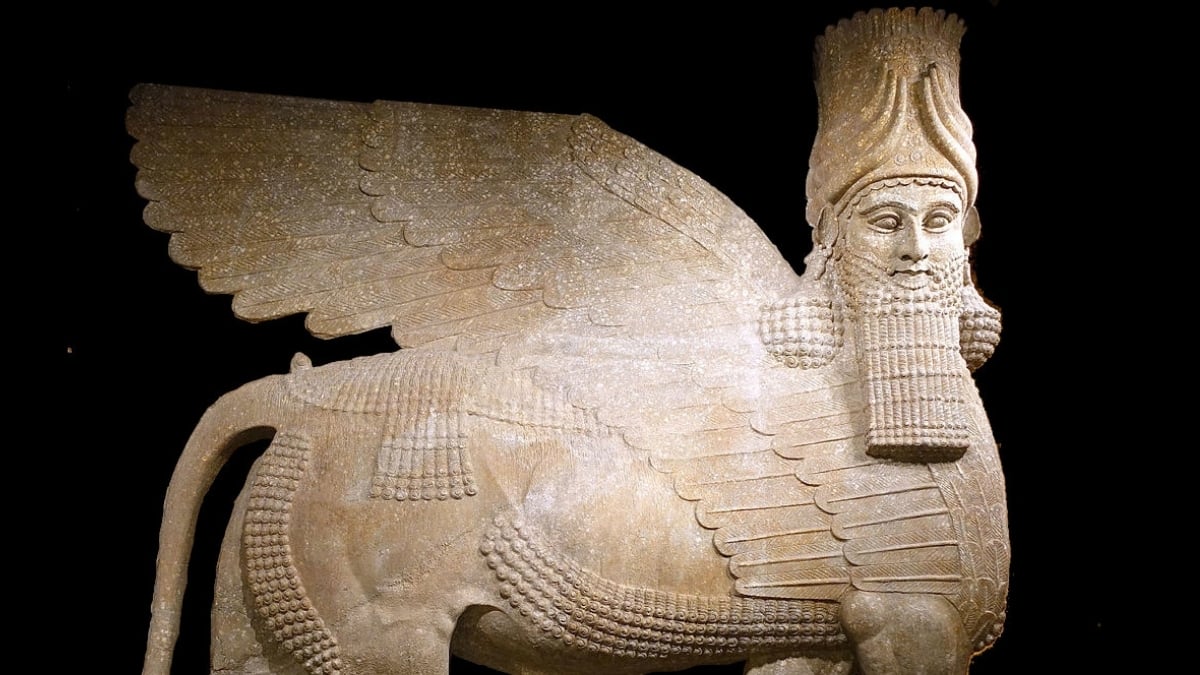
Археологичид өмнө нь түүхийн эх сурвалжид үлдэлгүй мартагдсан Ассирийн эзэнт гүрний гурван хааныг клинопис бичээстэй шавар хавтангуудыг дахин судалсны үндсэн дээр олж тогтоожээ.
Германы Мюнстерийн их сургуулийн судлаач Александр Йоханнес Эдмондс болон Йелийн их сургуулийн Экарт Фрам нар МЭӨ 1000-609 оны хооронд оршин тогтносон Нео-Ассирийн үеийн олдворуудад шинжилгээ хийжээ. Судлаачид өмнө нь буруу таамаглаж байсан эсвэл бүрэн ойлгогдоогүй байсан хавтангуудыг дахин нягталснаар Тиглат-пилесер (МЭӨ 763–762), Шалманесер (МЭӨ 747–745), Ашшур-убаллит (МЭӨ 913–912) гэсэн гурван хааны нэрийг илрүүлсэн байна. Эдгээр хаан нь тус бүр хоёр хүрэхгүй жил төр барьсан бөгөөд дараа нь эрх мэдлээ алдаж, түүхэн бичээсүүдээс нэрээ хасуулах буюу баллуулсан нь тогтоогджээ.
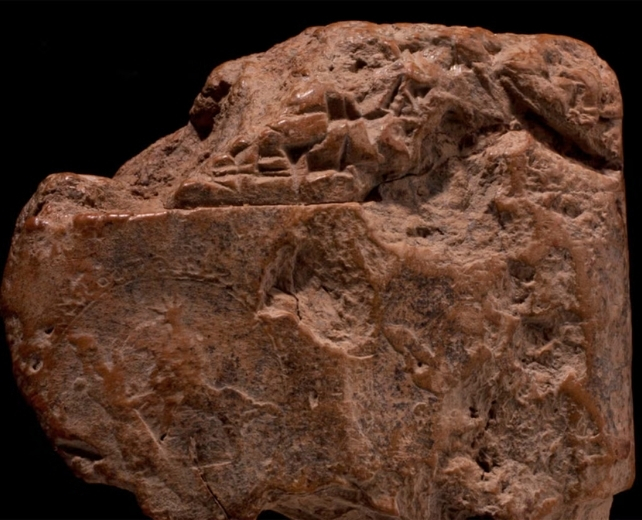
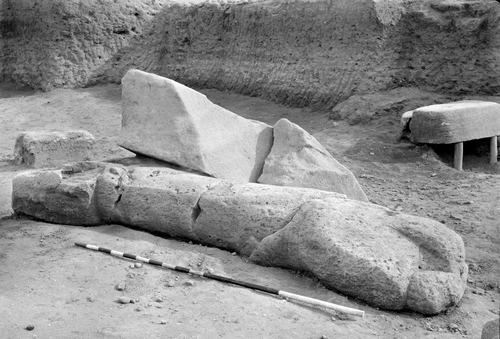
Ассирийн хаадын албан ёсны жагсаалт нь үнэн хэрэгтээ улс төрийн тогтворгүй байдал, төрийн эргэлт, хаан ширээний төлөөх тэмцлийг нуун дарагдуулсан, хэт идеалист шинжтэй болох нь энэхүү судалгаагаар батлагдлаа. Тухайлбал, хаан Ашшур-убаллитын хөшөө дурсгалыг түүнийг түлхэн унагасан дараагийн хаан өөрийн алдар гавьяаг магтан дуулах хөшөө болгон өөрчилж байсан нь тогтоогдсон байна.
Судлаач Экарт Фрамын дүгнэснээр, Ассирийн эзэнт гүрэн нь тахал, байгалийн гамшиг, улс төрийн хямрал зэрэг олон сорилтыг даван туулж, эдгээр тогтворгүй үеийн дараа илүү хүчирхэгжин мандсан нь түүхийн давтагдах шинжийг харуулж байна. Энэхүү судалгааны үр дүн нь “Journal of Cuneiform Studies” сэтгүүлд хэвлэгджээ.
Дэлгэрэнгүйг эх сурвалжаас харах
↓Эх сурвалжийг нээх ↓
The popular saying “history is written by the victors” isn’t always true.
But it does mean that we sometimes lose the stories and lineages that don’t flatter those who come into power – perhaps by shady means – and commission written records that conveniently omit the bloody, Hollywood-worthy episodes of imperial, familial intrigue.
Case in point: three new Assyrian kings have just popped out of the woodwork, or cuneiform claywork in this case, updating a lineage of monarchs that was considered complete for more than a century.
These previously unrecognized Neo-Assyrian (circa 1000 to 609 BCE) kings have been discovered and described in a recent study of ancient cuneiform tablets, pored over by Assyriologists Alexander Johannes Edmonds of the University of Münster in Germany and Eckart Frahm of Yale University.

Published in the Journal of Cuneiform Studies, these findings “came as a surprise – no one expected there would be room for any new and unknown rulers during this time,” says Frahm.
“But as Edmonds and I demonstrate in our research, three such rulers have been hiding in the shadows, in some poorly preserved cuneiform documents published some time ago but not properly understood.”
These three kings share similarities.
Each was enthroned in the Assyrian capital Aššur (Ashur). And each may have been well-supported by the Assyrian elites during their short reigns, lasting less than two years each, before being deposed – and partially erased from the historical record.
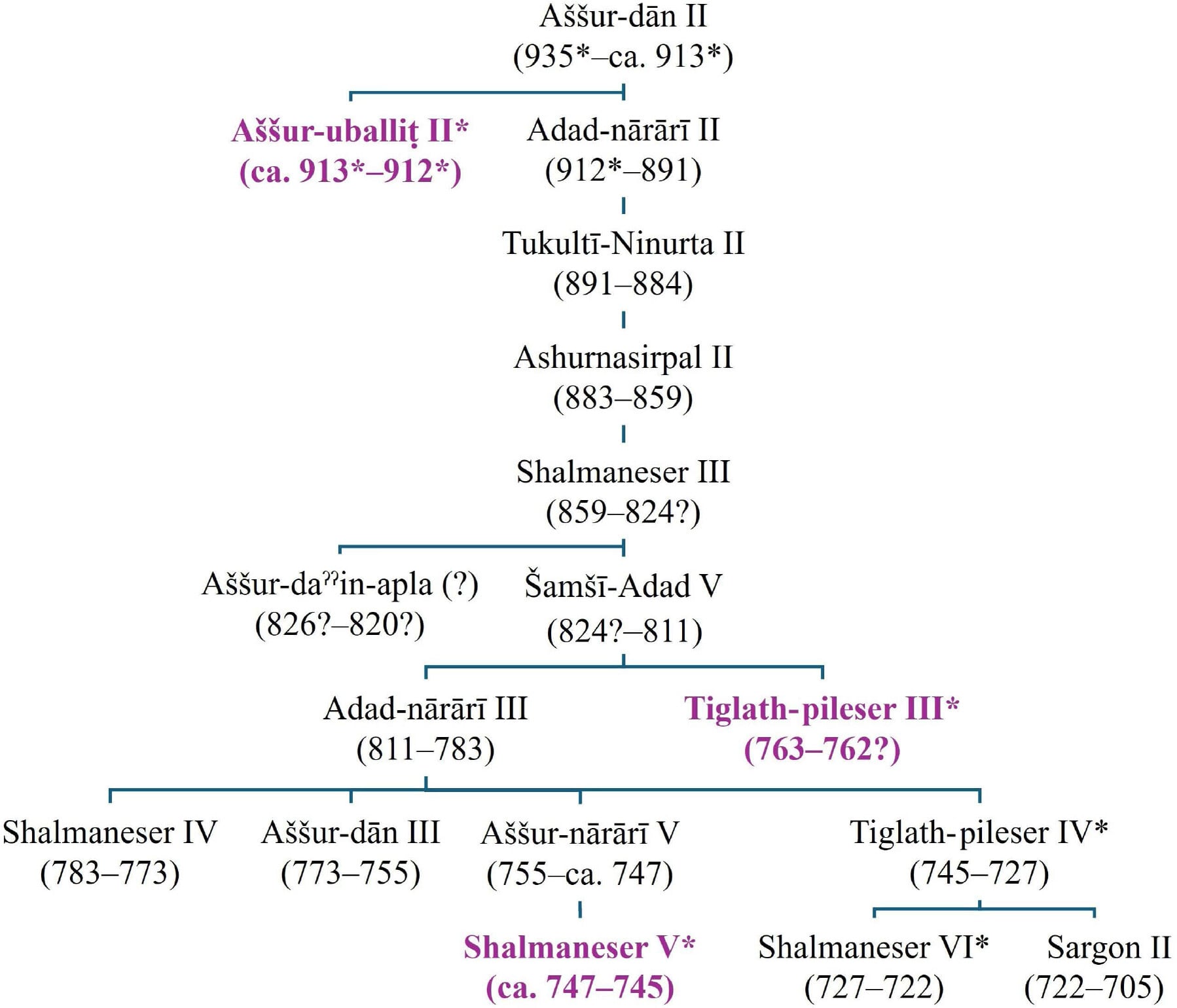
The first of these just-minted monarchs is Tiglath-pileser, who ruled from 763 to 762 BCE in rebelliously unique circumstances.
The evidence comes from a poorly preserved cuneiform tablet, discovered in Nineveh and published over 125 years ago, that Frahm previously examined.
It records a royal land grant and includes the name Tiglath-pileser.
However, it was erroneously credited to Tiglath-pileser III, who ruled decades later – as per convention, many kings took the names of their most aggressively prominent predecessors.
Another source records an insurgency at this time, prefaced by a plague and an incredibly inauspicious eclipse, likely leading to Tiglath-pileser rebelling against, and ruling in parallel to, his nephew Aššur-dān III, the occupier of the ‘official’ throne.
The second retroactively recognized king, Shalmaneser, held sovereignty between 747 and 745 BCE.
After identifying the first new king, the researchers reassessed other evidence, including a controversial stela (inscribed stone marker) discovered in Iraq in 1894.
The stela features the name Shalmaneser, but this monarch’s moniker was overwritten with that of his successor, Tiglath-pileser III.
The murky, short reign of this Shalmaneser – again, a recurring royal name – makes sense given the tumultuous time period, encompassing political turmoil, scheming vassals, and nomadic raids.
The dating conventions of the time, and close succession of rulers, may have confused future scholars who compiled regnal accounts.
The final king, Aššur-uballiṭ, ruled briefly from 913 to 912 BCE before being usurped, defaced, and historically erased.
One tablet describes how he supplied the silver to restore a libation vessel holding top-class beer in veneration of the national deity Aššur, possibly refurbished to celebrate an ascendant Assyrian empire.
A destroyed monument, possibly an enormous statue in Aššur-uballiṭ’s likeness, was decapitated and stripped of its arms and royal insignia.
It was turned into a stela expounding the greatness of the usurping, illegitimate prince who “had no interest in indicating that he had ascended to the throne under somewhat shady circumstances,” Frahm says.
This work demonstrates that Neo-Assyrian history was not as rosy as recorded in the unambiguously named Assyrian King List.
Compiled by ancient Assyrians from their own historical sources, the list outlines a series of orderly, unbloody successions from father to son.
Related: ‘Barbarians’ Have Been Misunderstood For Centuries, Researchers Explain
As Frahm reveals, “the Assyrian King List seems to provide an idealized version of Assyrian kingship in which all unrest, everything unstable, is essentially erased from the record.”
Finally, this research highlights the cyclical nature of history.
“The result of all this – pandemic, climate change, succession crises, and even, for good measure, a solar eclipse and the rise of a new class of oligarchs – was not political collapse but Assyria’s transformation into a predatory empire of proportions unseen before,” Frahm concludes.
“A scenario that resonates in some respects with global events of our own times.”
This research was published in the Journal of Cuneiform Studies.
This article was fact-checked by Rachel Garner and edited by Rebecca Dyer. While we pride ourselves on our process, we are only human. If you spot a mistake, please let us know.


