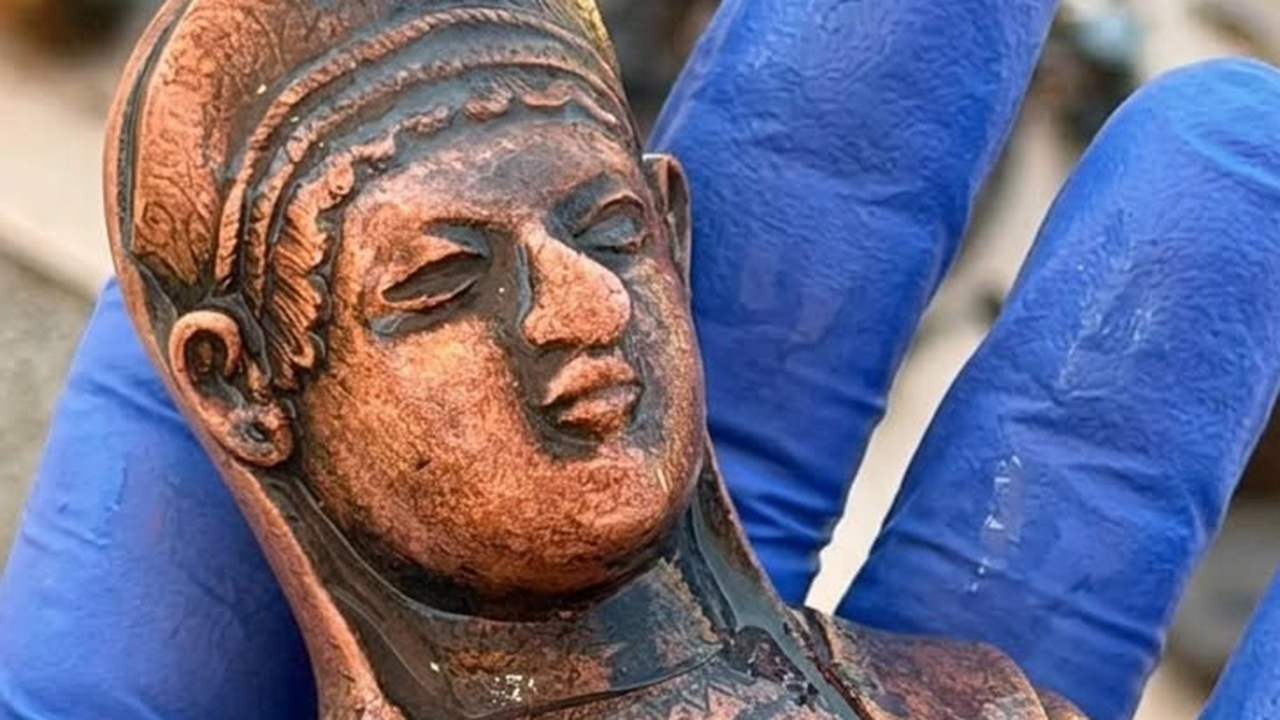
Италийн Болонья хотын ойролцоогоос эртний Этрускийн соёл иргэншлийн үед хамаарах, шашны зан үйлд зориулсан худаг болон ховор олдворуудыг археологичид малтан илрүүллээ.
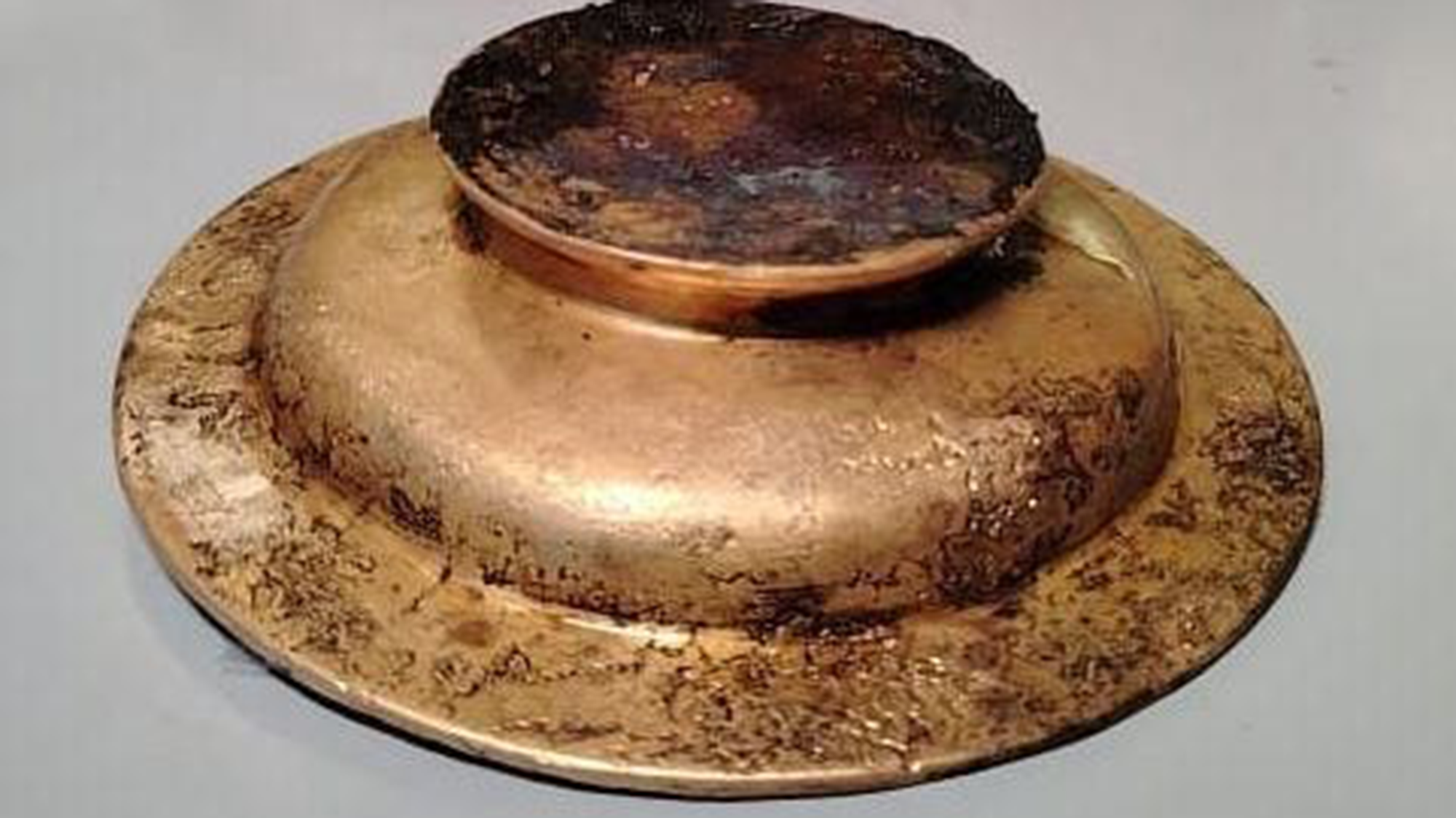
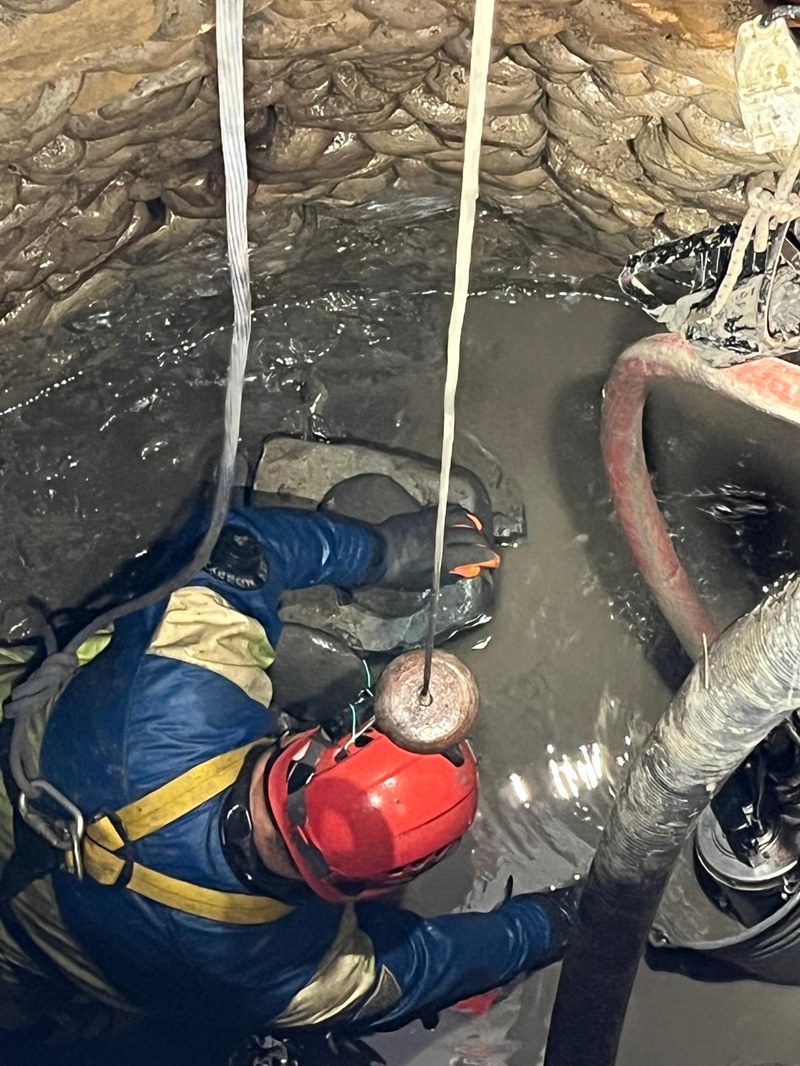
Болоньягийн их сургуулийн археологич Элизабетта Говигоор ахлуулсан багийнхан МЭӨ VI зууны сүүл эсвэл V зууны эхэн үед холбогдох энэхүү худгийг эртний Кайна хотын ойролцоох эх дагина Уни-гийн сүмд ойрхон газраас олжээ. Худгийн ёроолоос хүрэл хавтан болон хоёр эмэгтэй хүн дүрсэлсэн хүрэл баримал олдсон бөгөөд усны хүчилтөрөгчийн бага агууламжтай орчин тэдгээр олдворын өнгийг сайн хадгалсан байна. Эрдэмтдийн таамаглаж буйгаар эдгээр зүйлсийг тухайн хотыг байгуулах үеийн нээлтийн зан үйлд ашиглаж байжээ.
Этрускүүдийн хувьд хүрэл нь үржил шим, амьдралын эхлэлийг бэлгэддэг үнэт метальд тооцогддог байв. Энэхүү худаг нь зөвхөн ус цуглуулах бус, харин дагина Уни-тай холбоотой шашны зан үйл, тахил өргөх зориулалттай байсан болохыг олдворуудын байршил баталж байна. Олдворуудын дунд байсан эмэгтэй баримлуудыг зан үйлийн хүрээнд зориуд хугалсан байх магадлалтай гэж судлаачид үзэв.
Археологичид мөн худгийн ёроолоос эрэгтэй, эмэгтэй хүний араг яс олсон нь худгийг хаах үеийн зан үйлтэй холбоотой байж болох юм. Эдгээр хүний үлдэгдлийг хүний золиослол гэж үзэх үндэслэл одоогоор байхгүй бөгөөд цаашид ДНХ-ийн шинжилгээ болон радиокарбоны он тогтоох аргаар нарийвчлан судлахаар төлөвлөж байна.
Дэлгэрэнгүйг эх сурвалжаас харах
↓Эх сурвалжийг нээх ↓
Archaeologists in Italy have discovered stunning bronze statuettes and a unique plate at the bottom of a ritual well associated with an ancient Etruscan goddess. It’s possible that the artifacts were placed in the well in a ceremony to celebrate the “birth” of an ancient city.
The additional discovery of ancient human remains in the well suggests that these individuals’ burials may have been part of a “ritual closing,” of the well, Elisabetta Govi, an archaeologist at the University of Bologna who led the excavation, told Live Science.
The team discovered the well in the outskirts of modern-day Bologna. During the early fifth century B.C., the Etruscans established a town called Kainua in this area, and the well was found near the religious sanctuary of the mother-goddess Uni, the Etruscan version of ancient Rome‘s Juno.
Found in the depths of the well were a unique bronze plate and the fragmented remains of two bronze female statuettes, which help date the well to the end of the sixth or the beginning of the fifth century B.C. The artifacts still possess their original bronze luster because they were preserved in a low-oxygen environment underwater, Govi said.
The goddess Uni was associated with women, marriage, birth and growth. Archaeological evidence from the nearby sanctuary indicates that this female cult was important for the entire city, Govi said.
“Everything comes together to tell this story of rituals centered on the female component. Why? Because for this city, which sits in the Apennine mountain range, agricultural fertility was fundamental,” Govi explained.
The Etruscans also had a strong cult related to water, and the construction of every well was accompanied by a ritual. But given this particular well’s proximity to the sanctuary of Uni, it was likely also part of a sacred or at least public area, Govi said. This idea is further bolstered by the objects placed in the well.
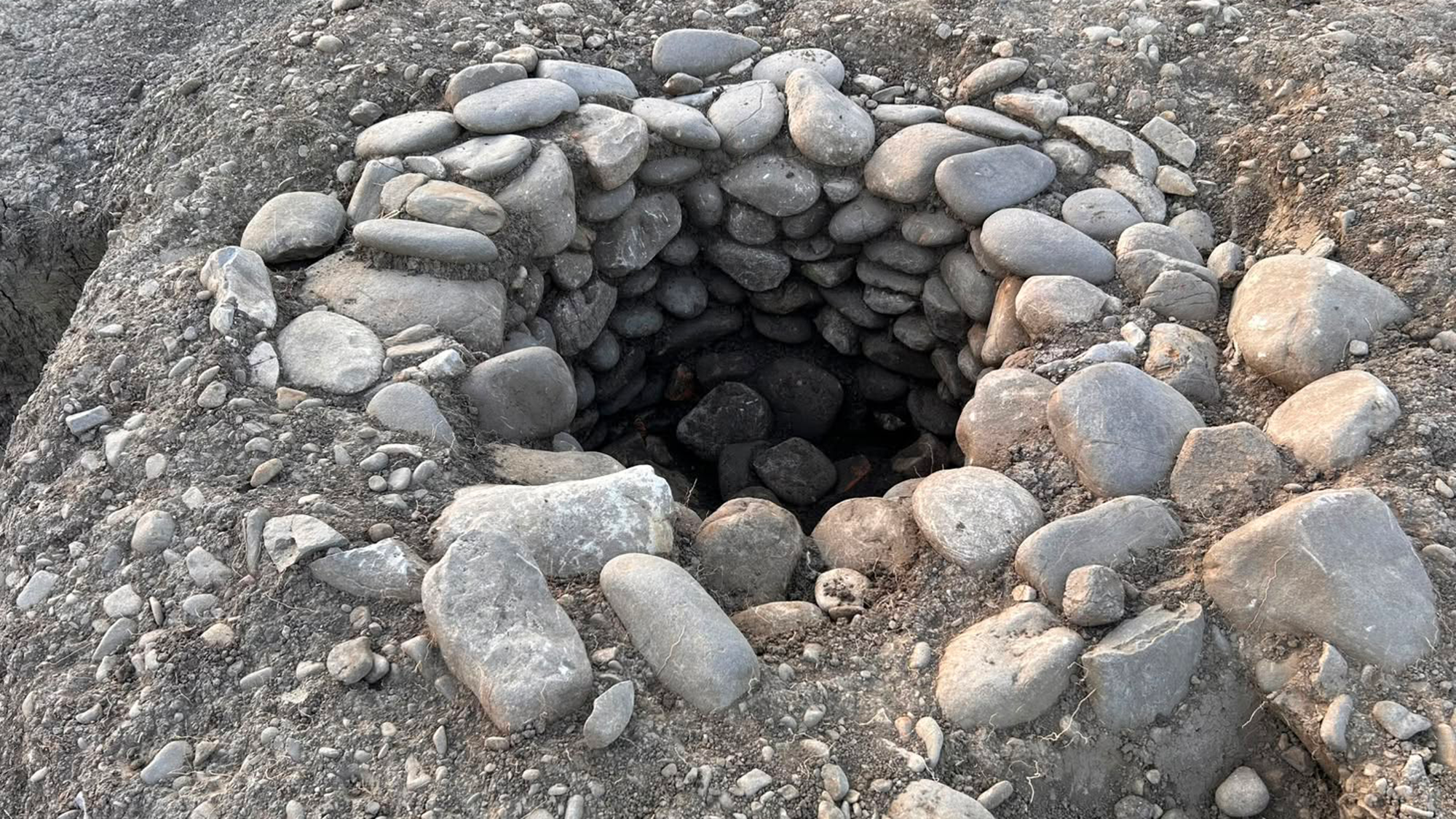
“Certainly, what was found in the well makes us think that this is a ritual well,” Govi said, who wrote a book “Kainua (Marzabotto)” (University of Texas Press, 2023) about the Etruscan archaeological site. “That is, it had a special function, not just for the collection of water, but evidently for the collection of water in relation to ceremonies, rites, to religious life that took place nearby in the sanctuary of the goddess Uni.”
Other excavations have revealed similar female statuettes associated with the Etruscan water cult, although this is the first time archaeologists have found them in a well, Govi noted. Young women would have placed such statuettes in Uni’s sanctuary as an offering to the goddess. The newly discovered statuettes depict richly dressed girls or women with finely decorated dresses, likely either high-class individuals or goddesses. They were probably intentionally broken as part of a ritual.
The bronze plate is the first of its kind ever discovered, Govi said. While the shape of the plate is consistent with common Etruscan ceramics, it’s the only known example of the design in bronze that Etruscans made.
Bronze was a precious metal for the Etruscans, and these objects would have been very expensive to produce. The metal alloy also had a symbolic importance. The Etruscans considered the production of bronze from copper and tin to be regenerative and “alive,” a strong reference to the notion of birth and thus Uni’s domain, Govi explained.
Broadly speaking, it’s not the first time archaeologists have found bronze votive objects at the bottom of an Etruscan well. But the new excavation stands out because its many elements fit perfectly within the known context of this Etruscan female cult, Govi said.
The team also found the skeletons of a man and a woman within the well. While the statuettes and plate likely represent an opening ritual for the well, the bodies probably played a role in its ritual closing.
Preliminary investigations suggest the people were not victims of human sacrifice, but a team will begin studying them further in September, Govi said. DNA analysis and carbon-14 dating may shed light on the individuals’ identities and the well’s chronological history.
See if you know what these mysterious artifacts are with our archaeological fragments quiz!


