Болгарын нутаг дэвсгэрт орших Дунай мөрний эргээс олдсон аварга том зааны үлдэгдэл нь тус бүс нутгийн эртний байгаль орчныг судлах шинэ боломжийг бүрдүүлж байна.
Орон нутгийн оршин суугч голын эрэг дээрээс том хэмжээний яс олж мэдэгдсэний дараа Русе хотын Бүсийн түүхийн музейн мэргэжилтнүүд малтлага хийж, доод эрүү, соёо, сэрвээний яс болон хавиргануудыг гаргаж авчээ. Судлаачдын урьдчилсан тооцоогоор тус амьтан нь ойролцоогоор 16 фут өндөр, 7-8 тонн жинтэй байсан нь ноост зааны ердийн хэмжээнээс хавьгүй томд тооцогдож байна. Ноост заан нь 500,000-аас 800,000 жилийн өмнө үүсэж, 7,000-10,000 жилийн өмнө ихэнх нь мөхсөн гэж үздэг ч зарим тусгаарлагдсан бүлгүүд 4,000 жилийн өмнө хүртэл амьдарч байсан байх магадлалтай юм.
Олдвор хэрхэн тус газарт хадгалагдан үлдсэн талаар эрдэмтэд хоёр өөр таамаглал дэвшүүлж байна. Тус музейн Байгалийн тэнхимийн эрхлэгч Красимир Киров тус газрыг голын урсгалаар зөөгдөж ирсэн яснууд хуримтлагдсан байгалийн сав газар байж болзошгүй гэж үзэж байгаа бол музейн захирал Николай Ненов яснууд нягт бүлэглэн олдсон нь тухайн амьтан тухайн үед намгархаг газар амьдарч байгаад тэндээ үхсэн байх магадлалтайг онцолжээ. Ясны өнгө нь хар эсвэл гүн хүрэн өнгөтэй байгаа нь намгархаг орчинд байсныг илтгэж болох ч энэхүү холбоог батлах шинжлэх ухааны нотолгоо хараахан гараагүй байна.
Тус бүс нутгаас зааны яснаас гадна сая сая жилийн настай чулуужсан модны үлдэгдлүүд ч тогтмол олддог байна. Одоогийн байдлаар малтлагын багийнхан олдворуудыг агаар болон гадаад орчны нөлөөллөөс хамгаалах, бүрэн бүтэн байдлыг нь хадгалах зорилгоор консервацийн ажлыг эхлүүлээд байгаа бөгөөд ирээдүйд Бүсийн түүхийн музейд олон нийтэд дэлгэн үзүүлэхээр төлөвлөж байна. Музейн захирлын тайлбарласнаар, энэхүү олдвор нь шинжлэх ухааны хувьд чухал ач холбогдолтой бөгөөд цаашид тус бүс нутагт өөр ямар олдворууд хадгалагдаж буйг судлах нь нээлттэй асуудал хэвээр үлджээ.
Дэлгэрэнгүйг эх сурвалжаас харах
↓Эх сурвалжийг нээх ↓
Record-low water on the Danube has uncovered the remains of a woolly mammoth near the Bulgarian village of Ryahovo. A local resident first noticed large bones along the exposed riverbank and alerted officials, setting off a recovery effort that has already pulled a jaw, tusks, and ribs from the ground.
The find comes just days after the same drought exposed decades-old shipwrecks further upstream, a reminder of how falling river levels keep bringing buried history back into view. This time, though, the discovery reaches back not decades but hundreds of thousands of years.
For the Regional History Museum in Ruse, which sent specialists to the riverbank after being shown photographs of the bones, the find is more than a curiosity. It raises fresh questions about how the animal ended up there, how well its remains have survived, and what else might still be buried nearby.
Bones Recovered So Far Point to a Sizeable Animal
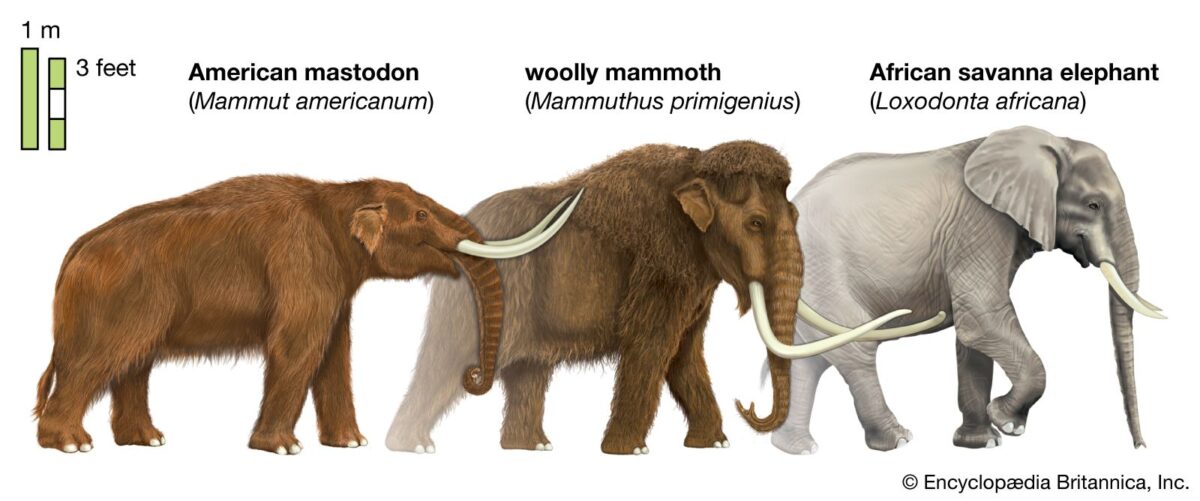
Crews working the Ryahovo site have so far extracted a lower jaw, two tusks, a shoulder blade, and several ribs, and museum staff say more of the skeleton could still be underground close by. According to the Bulgarian News Agency, researchers estimate this particular mammoth may have stood nearly 16 feet tall and weighed between 7 and 8 tonnes, figures that would put it well above the size typically associated with the species. Britannica, for comparison, puts the usual height of adult woolly mammoths closer to 10 to 12 feet.
The species is believed to have emerged somewhere between 500,000 and 800,000 years ago, during a period when the region’s climate was considerably colder than it is now. Most woolly mammoths died out around 7,000 to 10,000 years ago, though isolated populations are thought to have survived in pockets until roughly 4,000 years ago. Having spent an unknown stretch of time submerged, the bones have begun deteriorating now that they are exposed to open air, which is why the excavation team is moving carefully to keep everything intact through transport and conservation.
Two Theories Compete to Explain How the Mammoth Got There
Exactly how the animal’s remains came to rest at this spot on the riverbank is still an open question, and museum staff have floated two different explanations. Krasimir Kirov, curator of the museum’s Nature Department, has suggested the site may act as a kind of natural catch basin, a place where the Danube’s current has gradually gathered and deposited animal remains over a long span of time, though he added that some of the bones could equally belong to animals that lived in the area itself.
Museum director Nikolay Nenov, however, points to a different clue. Unlike other mammoth remains recovered nearby, which have usually turned up scattered through river sediment and required dredging equipment to extract, the Ryahovo bones were found clustered tightly together. That detail, he says, raises the possibility the animal actually died on the spot, perhaps in a swamp that may once have covered the area.

Investigators are also studying the coloring of the bones, since remains that darken toward black or deep brown can sometimes point to a boggy environment at the time of death, though the team stresses this link remains unproven and color alone cannot resolve the question.
Fossilized Trees Add Another Layer to Ryahovo’s Prehistoric Finds
The mammoth is not the only prehistoric material to surface around Ryahovo. Fossilized trees, some reportedly millions of years old, turn up there regularly, usually as scattered fragments rather than whole trunks, and are easily mistaken for ordinary rocks. Kirov recalls one instance in which a dredging crew used a piece of ancient petrified wood to prop open a door, unaware of what it actually was until the object later made its way into the museum’s collection.
Pending conservation work and further study, the newly recovered mammoth bones are expected to eventually go on public display at the Regional History Museum in Ruse, joining a mammoth model already on show there that gives visitors a sense of the animal’s scale.
“I would not call it a sensation, but every discovery of such ancient remains is very important for science,”the museum’s director explained.
Enjoyed this article? Subscribe to our free newsletter for engaging stories, exclusive content, and the latest news.

