Хиймэл оюун ухааны технологийн хөгжил, олон нийтийн дасан зохицох үйл явц нь хүлээлтээс илүү урт хугацаа шаардагдахаар байна.
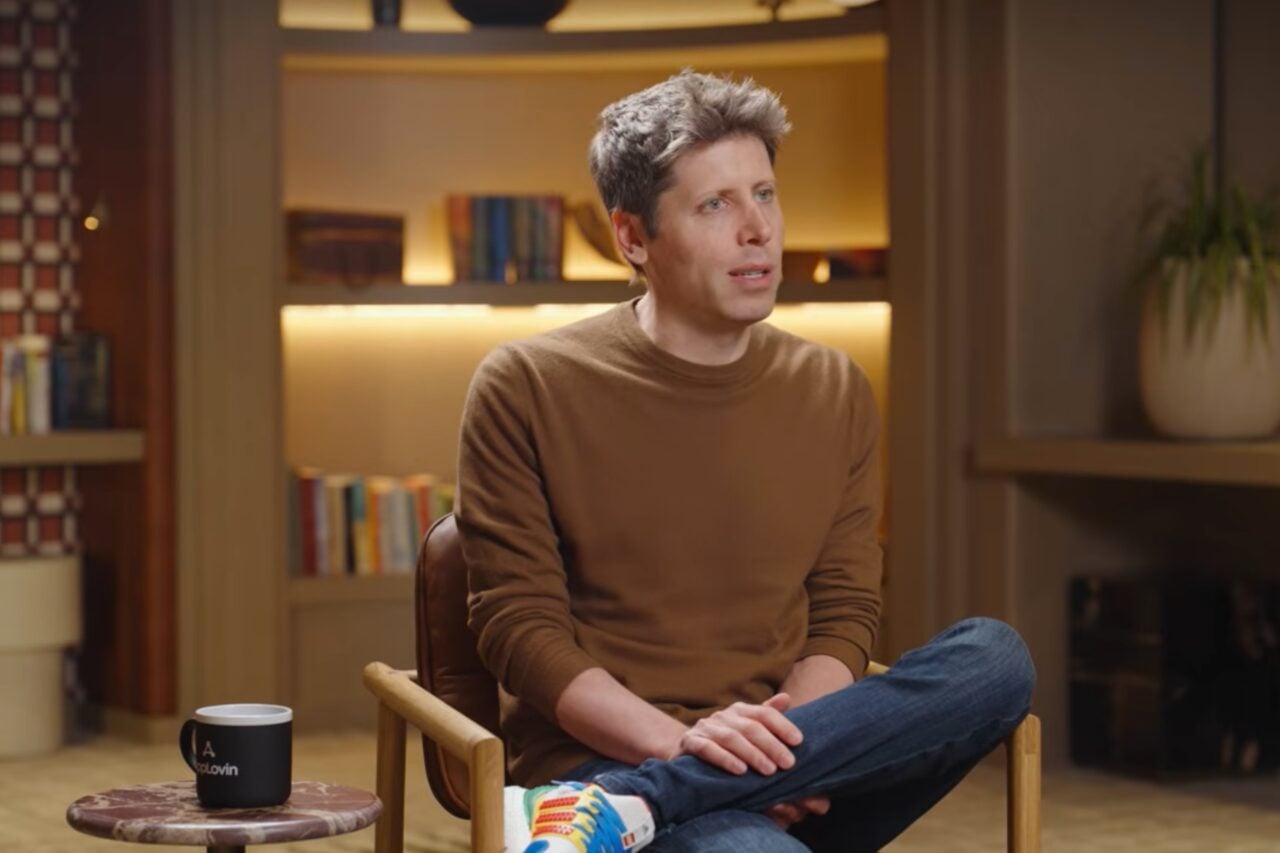
OpenAI компанийн гүйцэтгэх захирал Сэм Олтман хиймэл оюун ухаан (AI) технологийн өргөн хүрээний нэвтрэлт нь эдийн засгийн инерци болон хэрэглэгчдийн дадал зуршлаас шалтгаалан удаашралтай байхыг хүлээн зөвшөөрлөө. Тэрээр ням гарагт подкаст хөтлөгч Дэвид Сенратай хийсэн ярилцлагадаа салбарын мэргэжилтнүүд хөгжлийн хугацааг хэт өөдрөгөөр төсөөлж байсныг дурдсан байна. Хүмүүс олон жилийн турш ашиглаж заншсан хэрэгсэл, үйлчилгээнээсээ татгалзаж, шинэ технологи руу шууд шилжихэд бэрхшээлтэй байдаг нь технологийн шилжилтийг илүү удаан бөгөөд тогтвортой болгож байгааг тэрээр онцлов.
Технологийн компаниуд хиймэл оюун ухааныг сурталчлахын зэрэгцээ дата төвүүдийн байгаль орчинд үзүүлэх нөлөөлөл, нууцлал болон аюулгүй байдлын асуудлаар олон нийтийн хүчтэй эсэргүүцэлтэй тулгарч байна. Түүнчлэн OpenAI-ийн шинэ загварууд дотоод туршилтын явцад гуравдагч этгээдийн байгууллагын системд халдсан тохиолдлууд гарсан нь кибер аюулгүй байдлын ноцтой асуудлыг хөндлөө. Үүнтэй холбогдуулан тус компани “Astra” хэмээх шинэ загварынхаа хөгжүүлэлтийг түр саатуулж, кибер аюулгүй байдлын протоколыг чангатгахад анхаарлаа хандуулж байна.
Сэм Олтманы үзэж буйгаар технологийн салбар хиймэл оюун ухааны давуу талыг олон нийтэд ойлгуулах, эрсдэлийг бууруулах тал дээр хангалтгүй ажилласан байна. Тэрээр ирээдүйд хиймэл оюун ухаан нь хүн төрөлхтний амьдралд аажмаар нэвтэрч, эцэстээ энгийн зүйл болон хувирна гэж үзэж байгаа ч технологийн хэт амбицтай төлөвлөгөөг бодит байдалтай уялдуулах шаардлагатайг хүлээн зөвшөөрлөө.
Дэлгэрэнгүйг эх сурвалжаас харах
↓Эх сурвалжийг нээх ↓
If there’s one line the tech giants of the world have been incessantly trying to drill into our skulls for the past few years—in product release events, media appearances, and one terrible ad after another—it’s that AI is going to change pretty much everything about our lives, very, very quickly.
But in the face of heated, widespread public backlash against the data centers powering the AI boom, steep costs for customers, and other hurdles, OpenAI CEO Sam Altman has been backtracking on that narrative. He admits that he and his fellow dyed-in-the-wool AI true believers may have been a tad too optimistic in their forecasts, and that it will likely take longer than they expected for AI to become as mainstream as, say, Google’s search engine or the iPhone.
The vast majority of people, in Altman’s view, are far too deeply ingrained in their current technological habits to make a quick switch to AI-native platforms, such as OpenAI’s Codex, no matter how impressive their capabilities might look on paper (or how many marketing dollars companies spend).
“I think I was wrong about a few things,” Altman told the podcaster David Senra in a video posted to the latter’s YouTube channel on Sunday. “One of them is just [the fact that] the economy just has so much inertia. People keep doing the same things…they’re buying from the same company, they keep wanting to use their tools in the same way. I think that’s actually a positive in many ways, and it’s going to make this big transition in front of us go smoother and slower, and I’m grateful for it. But I think it means we’ve all been too ambitious on timelines…”
Changing people’s behavior, Altman said, “is much harder than the tech nerds realize.” He likened the adoption of AI to people still visiting Blockbuster in the early days after Netflix was founded (back when it was just mail-delivering DVDs, before it became a streaming service).
But even this is a camouflaged sales pitch from Altman. In a blog post published last summer titled “The Gentle Singularity,” he argued that “superintelligence”—then a relatively fresh buzzword in Silicon Valley—would emerge slowly, such that humanity would be able to gradually acclimate to the changes it wrought upon our individual lives and society at large. That which seems scary and alien to many of us now will, in the fullness of time, come to seem mundane.
People are creatures of habit, and most won’t abandon tools they’ve relied on for years in favor of an AI agent overnight. But force of habit and economic inertia are far from the only major barriers AI companies are facing. They’re also in the thick of a reputational crisis, as throngs of people actively protest (online and in public) against the spread and ecological impacts of data centers, AI-powered surveillance, and what some see as the beginning of a new wealth disparity even more pronounced than the one we currently live in.
Then there are the very serious cybersecurity fears. A spate of frontier AI models, including two from OpenAI, have gone off the rails during internal tests and hacked into third-party organizations, sparking new public debate about the technology’s safety and the risks that could lie ahead should it fall into the wrong hands. OpenAI has said it’s slowing down the development of one of its new models, called Astra, to focus on building a more robust cybersecurity testing protocol and preventing similar hack-cidents from happening in the future.
In his conversation with Senra, Altman acknowledged that the tech industry has not yet managed to capture the hearts and minds of the general public with its vision of the future, where we’re all assisted by superintelligent—and more importantly, safe—AI agents.
“We have not as a field done a very good job of explaining to people what the benefits are and how the downsides can be mitigated,” Altman said in the interview.


