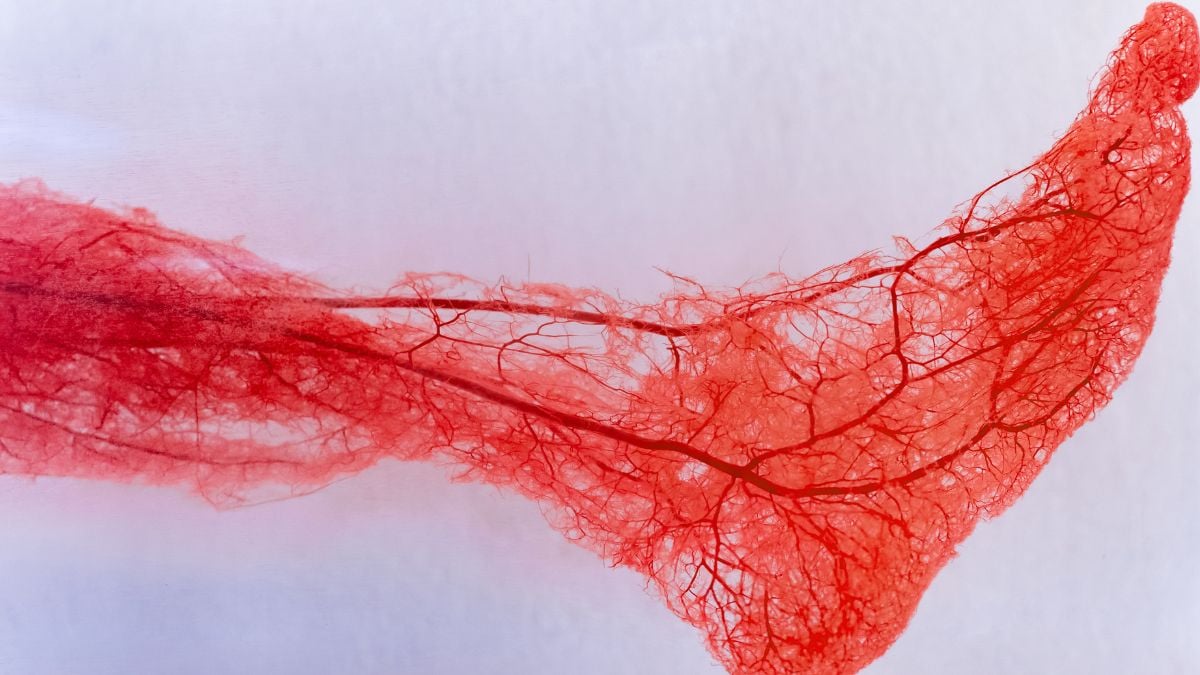
Шилбэний булчин нь доод мөчнөөс цусны эргэлтийг зүрх рүү буцаан шахахад чухал үүрэг гүйцэтгэдэг бөгөөд түүний үйл ажиллагаа нь хүний ерөнхий эрүүл мэндтэй шууд холбоотой байж болзошгүйг судалгаанууд харуулж байна.
Mayo Clinic-ийн 2020 онд хийсэн судалгаагаар 2,728 хүний эмнэлгийн түүхийг судалжээ. Үр дүнд нь шилбэний булчингийн шахуургын үйл ажиллагаа суларсан хүмүүсийн 10 жилийн дараах нас баралтын түвшин 18 хувьтай байсан бол хэвийн үйл ажиллагаатай хүмүүсийнх 6 хувьтай байв. 2024 онд 6,000 орчим хүнийг хамруулан хийсэн дараагийн томоохон судалгаагаар булчингийн үйл ажиллагаа муу байх тусам нас баралтын эрсдэл хоёр дахин нэмэгдэж болохыг тогтоожээ. Гэвч эдгээр нь ажиглалтын судалгаа тул булчингийн сулрал нь нас баралтын шууд шалтгаан болдог гэдгийг нотлоогүй бөгөөд энэ нь идэвхгүй амьдралын хэв маяг, булчингийн алдагдал эсвэл бусад суурь өвчний шинж тэмдэг байж болно.
Шилбэний булчингийн үйл ажиллагааг идэвхжүүлэхэд алхах, гүйх, шатаар өгсөх болон өсгийгөө өргөх дасгалууд үр дүнтэй. World Health Organization-аас долоо хоногт 150 минутаас доошгүй хугацаагаар дунд зэргийн эрчимтэй дасгал хөдөлгөөн хийхийг зөвлөдөг. Ажил дээрээ удаан суудаг хүмүүс цаг тутамд босож алхах эсвэл суугаа байрлалдаа шагайгаа хөдөлгөх нь цусны эргэлтийг сайжруулахад тустай.
Сүүлийн үеийн судалгаанууд шилбэний гүн булчин болох “soleus”-ийг идэвхжүүлэх дасгал нь бодисын солилцоонд нөлөөлж болохыг харуулсан. 2022 онд хийсэн жижиг судалгаагаар өсгийгөө өргөх дасгал нь өөх тос болон глюкозын боловсруулалтад эерэг нөлөөтэй байж болохыг тогтоожээ. Гэсэн хэдий ч эдгээр дасгалууд нь бүрэн хэмжээний дасгал хөдөлгөөн эсвэл эмнэлгийн эмчилгээг орлохгүй бөгөөд хөл хавагнах, өвдөх, улайх зэрэг шинж тэмдэг илэрвэл цусны бүлэгнэлтийн шинж тэмдэг байж болзошгүй тул мэргэжлийн эмчид хандах шаардлагатай.
Дэлгэрэнгүйг эх сурвалжаас харах
↓Эх сурвалжийг нээх ↓
Every step, ankle flex, or rise onto your toes activates a remarkable pump below your knees.
Your calf muscles squeeze the veins in your lower legs, helping propel blood upward toward your heart. This mechanism is so important to circulation that the calves are sometimes described as the body’s “second heart”.
The name is metaphorical. Your calves cannot replace the organ beating in your chest. But they assist with one of the circulatory system’s most difficult tasks: returning blood from the legs against gravity.
The heart pumps oxygen-rich blood around the body through arteries. After reaching the legs, that blood must travel back through veins, where the pressure is much lower. Unlike the heart, veins cannot produce a powerful pumping force.
That’s where thecalf muscle pumpcomes in.
When you walk, run, or lift your heels, the muscles in the back of your lower legs contract. These contractions compress nearby veins and push the blood inside them upward.
Small, one-way valves in the veins stop the blood from falling back toward the feet between contractions. Each movement helps it travel another step closer to the heart.
When the pump works properly, it helps prevent blood from pooling in the legs. When it does not, people may experience swollen ankles, aching legs, or heaviness. Poor pump function can also contribute to long-term vein problems.
Evidence suggests that an impaired calf pump may reveal something about a person’s wider health.
In a2020 study, researchers examined the medical records of 2,728 adults who underwent vascular testing at the Mayo Clinic’s vascular lab in Minnesota.
People with impaired calf pump function were more likely to die during the following years. After 10 years, the mortality rate was about 6 percent among those with normal pump function, compared with roughly 18 percent among those with impaired function.
That doesn’t mean weak calf muscles directly caused those deaths. An impaired pump could be a sign of physical inactivity, muscle loss, joint problems, diseases affecting the nerves or muscles, or generally poorer health.
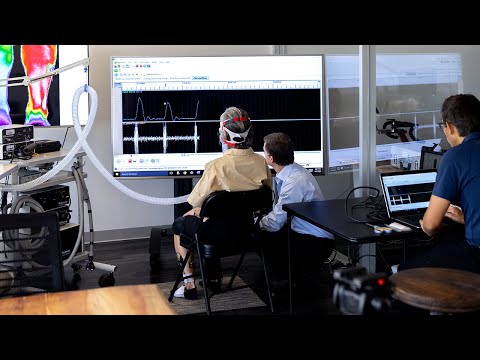
Alarger study from the same Mayo Clinic, published in 2024,supported the connection.
This time, researchers examined nearly 6,000 patients. They found that the less blood the calf pump expelled during movement, the higher the risk of death. Those with the poorest pump function had more than twice the mortality risk of people whose calves moved blood effectively.
This study was also observational. It does not prove that exercising the calves will extend someone’s life, and scientists don’t yet fully understand the association.
Activating this pump is simple.
Walking is the easiest method. Each step contracts the calf muscles and helps move blood upward. Running, climbing stairs, and repeatedly rising onto your toes activate the same mechanism.
People who work at a desk should avoidremaining in one position for hours. TheAmerican Heart Association recommendsstanding up and walking around at least once an hour.
When getting up is not possible, moving the ankles up and down or lifting the heels while keeping the toes on the floor can engage the calf muscles.

Standing still for long periods is not necessarily better. Without movement, the muscles do not squeeze the veins effectively. Taking a few steps, marching in place, or raising and lowering the heels can keep the pump active.
Regular exercise can also help preserve calf strength with age. TheWorld Health Organization recommendsat least 150 minutes of moderate-intensity physical activity, such as brisk walking, each week, along with muscle-strengthening activity on two or more days.
Persistent swelling or sudden pain, redness, or warmth in one leg shouldn’t simply be blamed on sitting still. These can besymptoms of a blood clotand require medical assessment.
Calf movement may offer benefits beyond circulation, too.
In a small2022 study, researchers tested a seated movement that activates the soleus, a deep calf muscle capable of working for long periods without tiring.
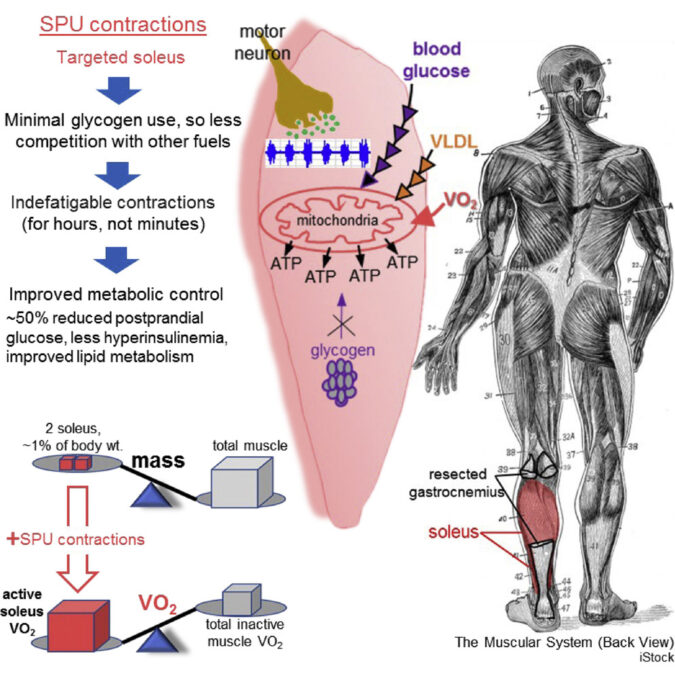
During the “soleus push-up”, a person keeps the front of each foot on the floor while repeatedly lifting and lowering the heels.
Researchers found that sustained contractions increased the muscle’s energy use and helped the body process glucose and fats after eating.
A subsequentpilot studyinvolving just 10 people with prediabetes found that performing the movement throughout a two-hour glucose tolerance test reduced the rise in blood sugar by roughly one-third compared with sitting still.
Related: Your Heart Can Actually Build Its Own Bypass After a Heart Attack
But participants performed the movement for extended periods, not just a few repetitions, and both studies were small.
A handful of heel raises under a desk cannot replace walking, whole-body exercise, or necessary medical treatment. Nevertheless, the findings provide one more reason not to remain motionless for hours.
Your calves may not literally contain another heart. But every time they contract, they give the real one a valuable helping hand.
This article was fact-checked by Clare Watson and edited by Clare Watson. While we pride ourselves on our process, we are only human. If you spot a mistake, please let us know.

