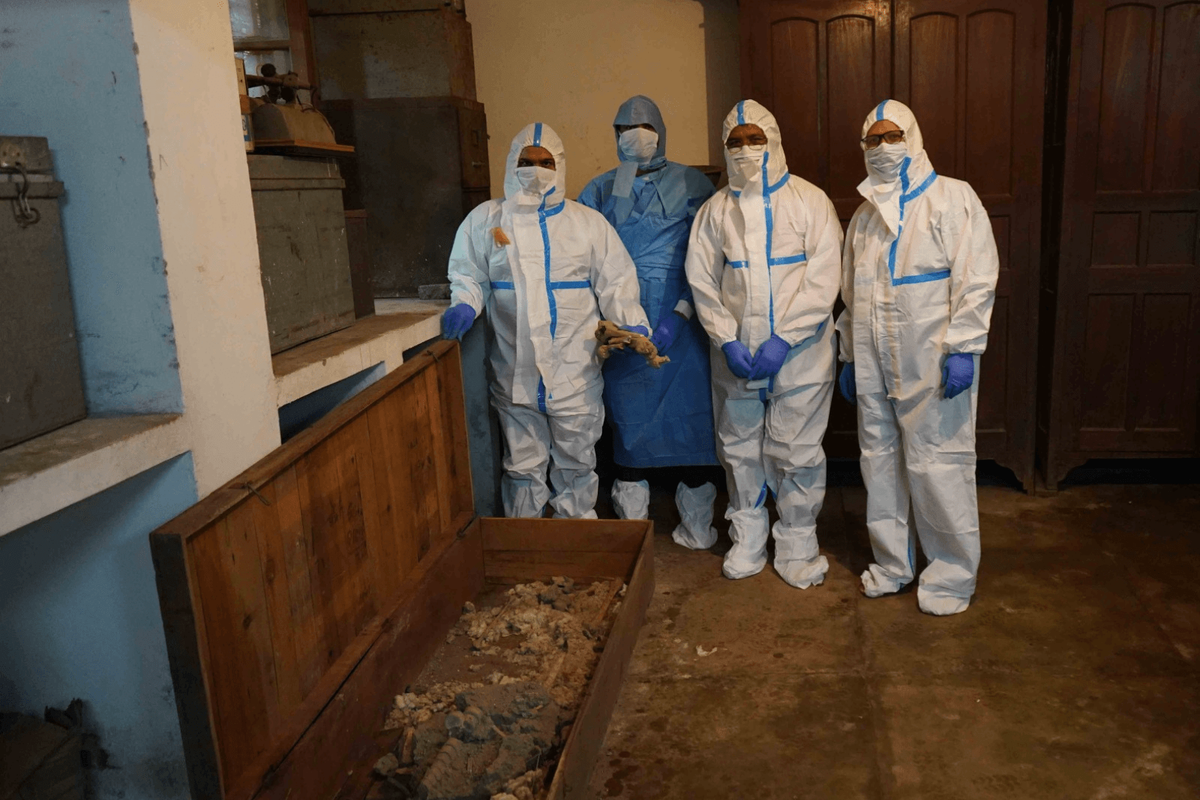
Эрдэмтэд олон арван жил хадгалагдаж байсан хайрцагнуудаас 10,000 гаруй эртний олдвор болон хүний ясыг олж, шинжилгээний ажил эхлүүлжээ.
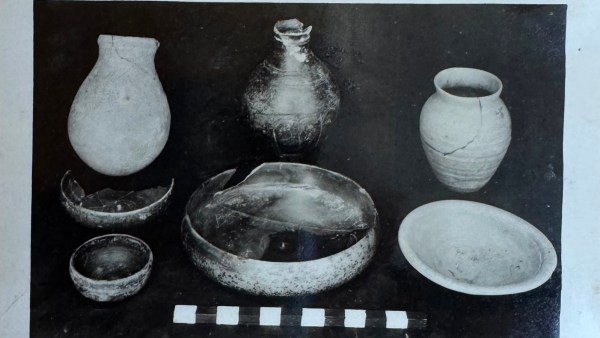
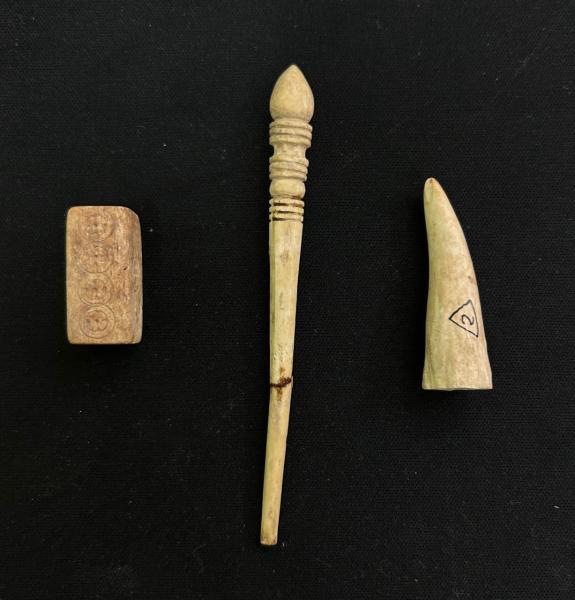
Энэтхэгийн Варанаси хотын ойролцоох Ражгат дахь археологийн дурсгалт газраас 1957 онд олдсон олон мянган олдворыг Баннарас Хинду их сургууль (BHU) олон арван жилийн турш хадгалж байсан юм. Энэ оны зуны сүүлчээр тус сургуулийн судлаачид 22 хайрцагт багтаасан 10,000 гаруй олдворыг бүртгэх ажлыг албан ёсоор эхлүүлжээ. Эдгээрийн дотор МЭӨ 800 орчим жилийн тэртээх хар өнгийн будгаар чимэглэсэн вааран эдлэл, зоос, багаж хэрэгсэл, тамга болон зэс, зааны соёо, ясаар хийсэн эд зүйлс багтаж байна.
Энэхүү цуглуулгад багтсан хамгийн онцлох олдвор нь Ражгатын малтлагаас олдсон хүний яс юм. Судлаачид уг яснаас эртний ДНХ гарган авч, генетикийн болон био-археологийн судалгаа хийхээр төлөвлөж байна. Энэ нь тухайн үед уг сууринд амьдарч байсан хүмүүсийн биологийн гарал үүсэл, амьдралын хэв маягийг тодруулахад чухал ач холбогдолтой юм.
Ражгат нь эртний Варанаси хоттой холбоотой, Ганга болон Варана голын бэлчирт оршдог түүхэн чухал суурин юм. 1950-иад оны сүүлчээс эхлэн 12 жилийн турш хийсэн малтлагын үр дүнд энэ газрыг Каши Жанапада улсын нийслэл байсан гэж үздэг. Олдворуудын дунд грек бичээстэй болон Брахми үсгээр бичигдсэн тамганууд олдсон нь тус хотын засаг захиргааны бүтэц, түүхэн холбоог нотлох баримт болж байна.
Олдворуудаас гадна 3,000 орчим шилэн слайд болон 5,000 гаруй фото сөрөг хальс олдсон нь тухайн үеийн археологийн дурсгалт газруудыг баримтжуулсан үнэ цэнтэй эх сурвалж болж байна. Судлаачид одоогийн байдлаар 4,000 орчим олдворыг бүртгэж дуусаад байгаа бөгөөд цаашид цуглуулгыг олон нийтэд үзүүлэх музей байгуулах төлөвлөгөөтэй байна. Хэдийгээр олдворуудын нэг хэсэг нь өмнө нь судлаачдад нээлттэй байсан ч энэ удаагийн ажил нь бүхэл бүтэн цуглуулгыг системтэйгээр баримтжуулж буй анхны томоохон оролдлого юм.
Дэлгэрэнгүйг эх сурвалжаас харах
↓Эх сурвалжийг нээх ↓
Boxes of artifacts found in an archaeological site near Rajghat in Varanasi (India) have lain untouched for decades inside the collection of Banaras Hindu University. The boxes contain tens-of-thousands of artifacts which are dated to an area with evidence of first settlements over almost three thousand years ago.
In late summer of this year, the university officially undertook the task of organizing these artifacts. Twenty-two containers alone had over 10,000 artifacts in them. These items include painted black ware dating to roughly three thousand years ago, as well as sculpture, coins, tool sets, seals and other items created using copper, ivory and bone, according to the Indian Express.
One item was different however. A box contained a human skeleton removed from the Rajghat site and preserved for many decades by BHU. Researchers working to extract ancient DNA from the skeletal remains are planning to use the extracted DNA to perform both genetic studies and bio-archaeology.
According to a formal announcement issued by BHU regarding the planned genetic studies, researchers will begin analyzing the skeletal remains to learn more about the biological background of individuals living at the time of occupation of the site.
Researchers will go back to work on an excavation that was originally completed in the 1950’s; however it is not new research into Rajghat itself. Researchers have been studying Rajghat for decades. What is new is BHU’s efforts to organize their older collections while utilizing modern methods available today that were not available when the original researchers excavated the material.
The Oldest Layers Reached Back to Around 800 B.C.
Near the confluence of the Ganga and Varana rivers, Rajghat occupies a place long associated with ancient Varanasi.
Archaeologist Vidula Jaiswal, formerly of BHU, identifies it with the capital of the Kashi Janapada, one of the territorial political units that developed in ancient India. Her work in the region distinguished Rajghat as a major urban centre, while Sarnath developed as a pilgrimage centre.
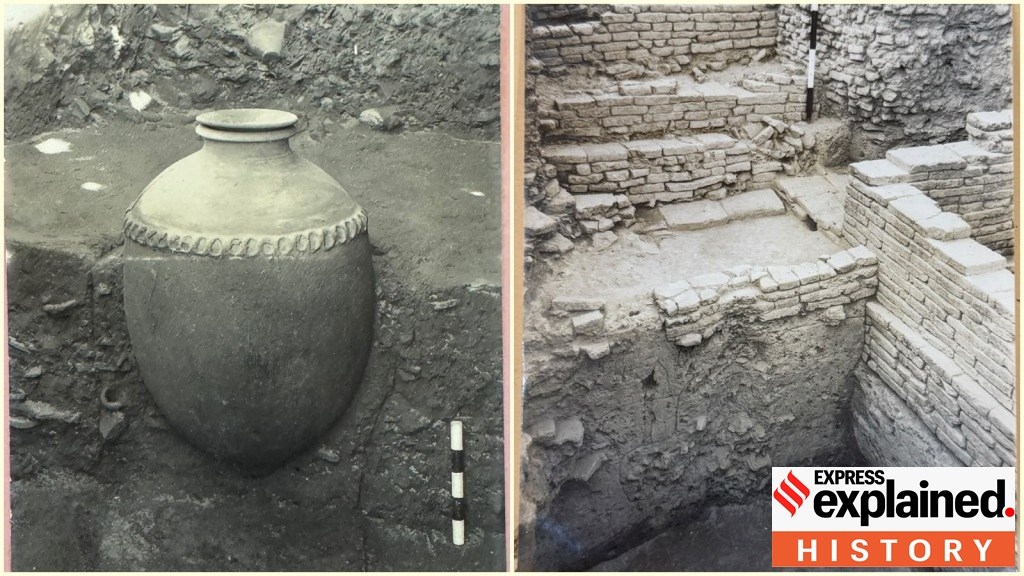
BHU archaeologist A K Narain and his colleagues began excavating three mounds at Rajghat in 1957. The work continued in four phases over 12 years.
At the lowest level they encountered pre-Northern Black Polished Ware, pottery associated with an earlier phase of the Iron Age. That evidence placed the beginning of settlement at Rajghat at about 800 B.C..
Decades later, Jaiswal and archaeologist B R Mani went back to those lower levels. In the early 2000s, they re-excavated parts of the site to test the chronology, and scientific analysis of material from that work backed the roughly 800 B.C. date for Rajghat’s oldest settlement layer.
The site’s history did not stop there. Archaeologists have divided it into several cultural periods extending into medieval times.
Among the finds were hundreds of seals and sealings. Some bear the name Varanasi, evidence used to connect Rajghat directly with the ancient city. Mahesh Prasad Ahirwar, head of BHU’s Department of Ancient Indian History, Culture and Archaeology, has said that some seals contain Greek inscriptions and names of administrative units or officials. Another account of the newly examined material notes inscriptions in Brahmi script.
Thousands of Old Photographs Are Part of the Collection
The old collections hold far more than pottery, coins and other small finds.
BHU also recovered around 3,000 glass slides and more than 5,000 photographic negatives documenting archaeological sites including Rajghat, Manjhi, Ratnagiri, Ajanta and Ellora. The photographs include sculptures and religious images as they appeared decades ago.
Now three specialized teams have been assigned to conserve and document the material. There is some urgency: Ahirwar said the trunks themselves had deteriorated substantially.
The department began its wider documentation project in January as part of its centenary activities. By the time of the September report, it had recorded about 4,000 artefacts.
BHU also plans to make more of the collection accessible to researchers, and Ahirwar has said there are plans for a museum. The excavation reports themselves were already in the public domain.
One Skeleton Allows a Different Kind of Investigation
The skeleton opens another line of inquiry altogether.
It is believed to be roughly 1,000 years old, although the supplied material does not report a new genetic result or a confirmed revised date. Researchers have collected samples for genetic and bio-archaeological analysis, hoping to learn more about the people who lived in the middle Ganga Valley.
Ahirwar said techniques such as DNA sampling and analysis could provide information about the age, ancestry and lifestyle of people represented by such remains.
For now, though, those are research aims. They are not findings from the Rajghat skeleton.
There is also a complication in how the newly examined collections have been described. An earlier report said the 22 boxes had remained unopened for nearly 70 years.
The later Explained account gives a more qualified picture: the excavation reports were public, the artefacts had been available to researchers and some had already been studied. It describes the present work as the first concerted effort to document the entire collection, while identifying the human skeleton as the item opened for the first time.
Enjoyed this article? Subscribe to our free newsletter for engaging stories, exclusive content, and the latest news.

