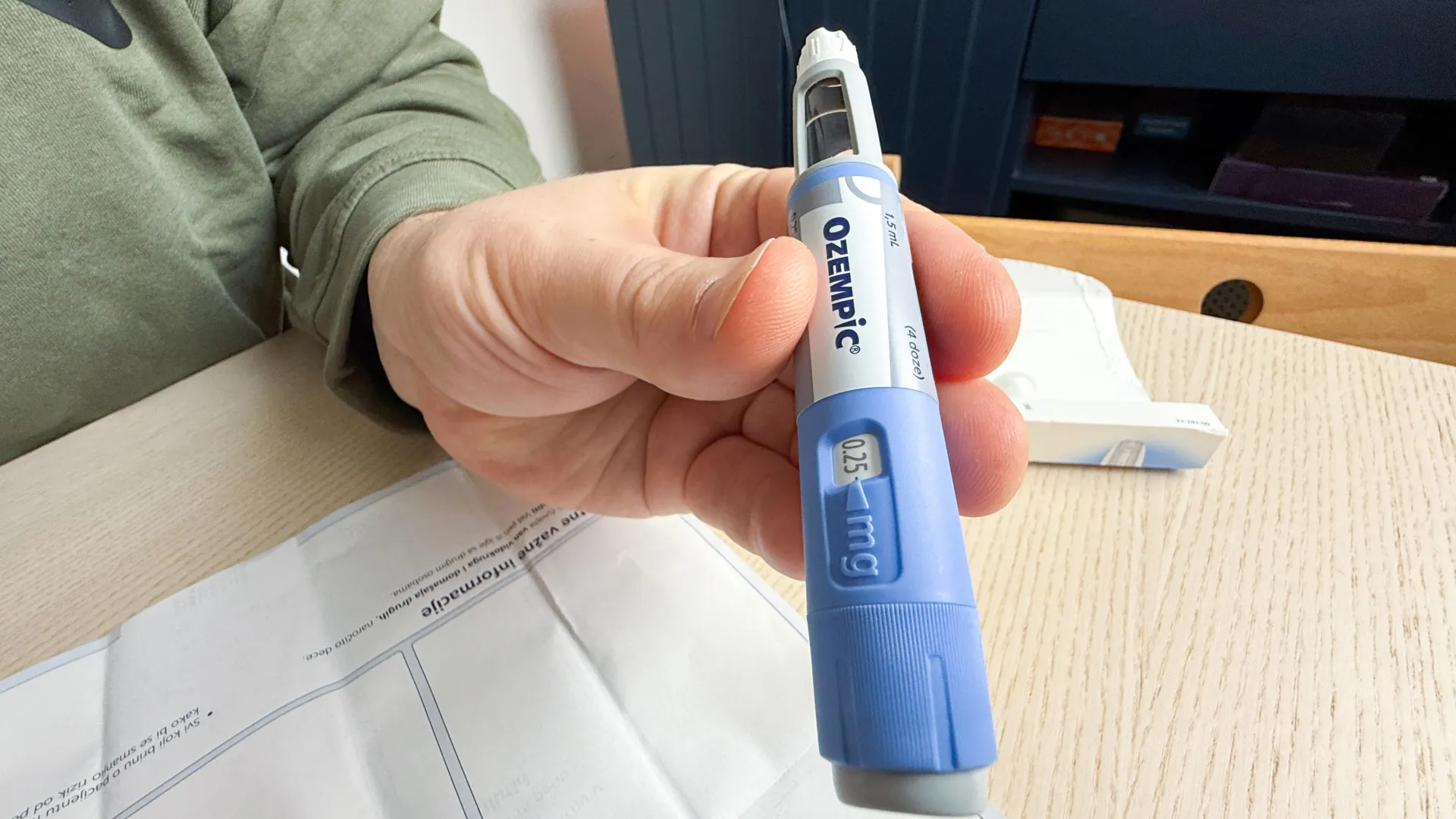
Гриффитийн их сургуулийн судлаачид чихрийн шижин болон таргалалтын эсрэг хэрэглэдэг GLP-1 бүлгийн зарим эм нь сэтгэцийн эмгэгийг эмчлэхэд тус дэм болж магадгүйг тогтоожээ.
Гриффитийн их сургуулийн Анагаах ухаан, шүдний эмнэлгийн сургуулийн профессор Марк Тэйлороор удирдуулсан баг Швед улсын 15,000 орчим хоёр туйлт эмгэгтэй иргэдийн эрүүл мэндийн мэдээлэлд 15 жилийн турш дүн шинжилгээ хийжээ. Судалгаагаар “Ozempic” болон “Wegovy” зэрэг эмийн найрлагад ордог семаглутид хэрэглэж байсан өвчтөнүүдийн сэтгэцийн эмнэлэгт хэвтэх эрсдэл 21 хувиар буурсан болохыг илрүүлсэн байна.
Судлаачдын таамаглаж буйгаар семаглутид нь тархины үрэвсэл болон эсийн стрессийг бууруулах замаар хоёр туйлт эмгэгтэй холбоотой биологийн үйл явцад нөлөөлж, сэтгэл санааны тогтвортой байдлыг хангахад тусалдаг байж болзошгүй юм. Энэхүү үр дүн нь уг эмийг сэтгэцийн эмгэгийг эмчлэх шинэ чиглэл болгон ашиглах боломжийг нээж өгч байна.
Гэсэн хэдий ч энэхүү нөлөө нь GLP-1 бүлгийн бүх эмд хамааралгүй болох нь тогтоогджээ. Лираглутид болон дулаглутид хэрэглэсэн өвчтөнүүдийн хувьд сэтгэцийн эмнэлэгт хэвтэх эрсдэл буураагүй байна.
Профессор Тэйлор энэхүү ажиглалтыг баталгаажуулахын тулд санамсаргүй түүвэрчилсэн хяналттай туршилт хийх шаардлагатайг онцоллоо. Уг судалгааны үр дүнг Acta Psychiatrica Scandinavica сэтгүүлд нийтэлжээ.
Дэлгэрэнгүйг эх сурвалжаас харах
↓Эх сурвалжийг нээх ↓
Glucagon-like peptide-1 receptor agonists (GLP-1RAs), widely used to treat diabetes and support weight loss, may also have benefits for mental health, particularly among people with bipolar disorder, according to new research from Griffith University.
Diabetes, obesity, and bipolar disorder frequently occur together and may share some underlying biological mechanisms. According to the latest World Health Organization estimates, about one in 200 people worldwide, or roughly 37 million people, live with bipolar disorder.
GLP-1 medications are already established treatments for diabetes and obesity, but their possible effects on bipolar disorder have remained unclear.
Large Study Examines GLP-1 Drugs and Bipolar Disorder
To investigate the connection, researchers led by Professor Mark Taylor from Griffith’s School of Medicine and Dentistry analyzed nationwide Swedish data from nearly 15,000 people with bipolar disorder who had been prescribed GLP-1 medications over a 15-year period.
“People with bipolar disorder who were taking semaglutide (otherwise known as Ozempic or Wegovy), a type of GLP-1 medication, had significantly lower rates of psychiatric hospitalization compared with periods when they were not taking GLP-1 medicines,” Professor Taylor said.
“The findings add to growing evidence that GLP-1 receptor agonists may have benefits beyond diabetes and obesity treatment, and could represent a promising new avenue for bipolar research.”
The researchers found that semaglutide use was associated with a 21 percent lower risk of psychiatric hospitalization.
Semaglutide May Affect Brain-Related Processes
The findings suggest that GLP-1 signaling could help protect the brain by reducing inflammation, cellular stress, and other biological processes associated with bipolar disorder.
These effects could potentially contribute to greater mood stability and a lower risk of relapse.
However, the same pattern was not seen with every GLP-1 medication. Liraglutide and dulaglutide were not associated with a reduced risk of psychiatric hospitalization, indicating that any potential mental health benefit may not extend across the entire drug class.
Professor Taylor said he hopes the findings will now be examined in a randomized controlled trial, which would provide stronger evidence about whether semaglutide itself can improve psychiatric outcomes in people with bipolar disorder.
The paper ‘Use of glucagon-like peptide 1 receptor agonists and the associated risk of hospitalisation in bipolar disorder, from a nationwide cohort, 2009-2024’ has been published in Acta Psychiatrica Scandinavica.

