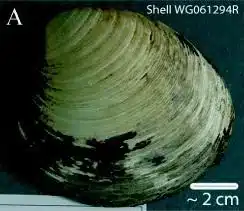
Исланд орчмын далайгаас олдсон нэн ховор хясааны насыг тогтоох судалгаа нь тус амьтны мөхөлд хүргэсэн ч далайн экосистемийн түүхийг судлах үнэ цэнтэй мэдээллийг өгчээ.
Исланд улсын ойролцоох далайгаас 2006 онд олборлосон “Мин” хэмээх Arctica islandica төрлийн хясаа нь 507 жилийн настай болохыг эрдэмтэд тогтоосон нь дэлхий дээрх хамгийн өндөр настай, бие даасан амьтны бүртгэлд тооцогдож байна. Энэхүү хясаа нь 1498 он буюу Хятадын Мин гүрний үеэс эхлэн дэлхийн түүхийн олон зууныг дамжин амьдарч, аж үйлдвэржилт болон нийгмийн томоохон өөрчлөлтүүдийг даван туулжээ. Бангорын их сургуулийн судлаачид хясааны бүрхүүлийн жилийн өсөлтийн цагиргийг тоолох замаар түүний насыг нарийвчлан тогтоосон байна.
Гэвч хясааны насыг тодорхойлох судалгааны явцад тус амьтан эрдэмтдийн үйл ажиллагааны улмаас үхжээ. Судлаачид хясааны бүрхүүлийг шинжлэхийн тулд хөлдөөх аргыг хэрэглэсэн нь түүнийг амьд үлдэх боломжгүй болгосон гэж үздэг. Энэхүү үйл явдал нь шинжлэх ухааны судалгаа ховор амьтдад хэрхэн нөлөөлдөг тухай олон нийтийн шүүмжлэлийг дагуулсан билээ.
Далайн хясааны бүрхүүл нь тухайн цаг үеийн далайн экосистемийн төлөв байдлыг хадгалдаг байгалийн архив болдог. “Мин” хясааны судалгаа нь далай тэнгисийн экосистемд гарч буй урт хугацааны өөрчлөлтүүдийг ойлгоход чухал ач холбогдолтой юм. Иймд эрдэмтэд цаашид нэн ховор амьтдыг судлахдаа амьд байгальд хохирол багатай, тогтвортой аргыг нэвтрүүлэх нь чухал болохыг онцолж байна.
Дэлгэрэнгүйг эх сурвалжаас харах
↓Эх сурвалжийг нээх ↓
A clam managed to stay alive for more than five centuries, only to die when scientists tried to work out exactly how old it was. Nicknamed Ming, the ocean quahog was 507 years old, making it the oldest verified non-colonial animal ever recorded.
Ming was already alive around 1498. It survived centuries of wars, the rise and fall of dynasties and the arrival of industrialization, all while quietly living in the ocean near Iceland. Its incredible story has recently started circulating online again after a Reddit post brought new attention to its unusual fate.
Ming Had Been Alive Since the 15th Century
Ming was an Arctica islandica, better known as an ocean quahog. The specimen was collected near Iceland in 2006, but nobody knew at first just how extraordinary the animal sitting in front of them actually was.
According to the story recently shared on Reddit, researchers eventually traced Ming’s birth to around 1498. Its estimated birth year is also where the clam got its unusual nickname, a reference to China’s Ming dynasty.
After examining the specimen, scientists confirmed that it had lived for 507 years. That made Ming the oldest verified non-colonial animal. Its life stretched across huge periods of human history. Wars came and went, societies changed and industrialization reshaped the world. Ming, meanwhile, simply kept living beneath the ocean. But discovering exactly how long it had been there required scientists to take a much closer look at its shell.
Ming Didn’t Survive This Process
Ocean quahogs leave a useful record of their lives behind in their shells. Each year produces a growth band, and counting those bands can reveal how old an individual animal is. Researchers at Bangor University used those bands to establish Ming’s remarkable age. To examine them, however, the scientists froze the specimen open. However, the clam died during the process.
That strange ending is a big reason why the story continues to get attention online. As one Reddit commenter put it:
“Ming successfully avoided dying from natural causes for five centuries and immediately ran into humans.” Another user questioned the circumstances more directly: “How do you ‘accidentally’ kill something by freezing it to death?”

The story also prompted wider criticism about the way humans interact with wildlife, with many people questioning how far research should go when studying rare and fragile animals.
“Humans ruin so many nice things. The animal kingdom would be far better off without us,” another commenter wrote.
Its Shell Was Also a Record of the Ocean
For researchers, this ocean creature that survived for hundreds of years is much more than an unusually old clam. Because ocean quahogs form annual shell bands, scientists can use them to reconstruct past ocean conditions over long periods. A centuries-old shell can therefore act as a natural archive, preserving information about changes in marine ecosystems.
The loss of a rare, long-lived animal like Ming also means losing part of that record. The source highlights wider threats affecting marine environments, including warming oceans, disrupted fisheries and biodiversity loss. Protecting marine life is therefore not only about saving individual species but also preserving the ecosystems and information they carry.

Research methods are continuing to improve, with more efforts focused on reducing harm when studying rare or ecologically important animals. The source points to marine protected areas, sustainable seafood choices and low-impact research as possible ways to support conservation, while warning that dredging and habitat disruption can affect ecosystems, food systems and coastal communities.
Enjoyed this article? Subscribe to our free newsletter for engaging stories, exclusive content, and the latest news.

