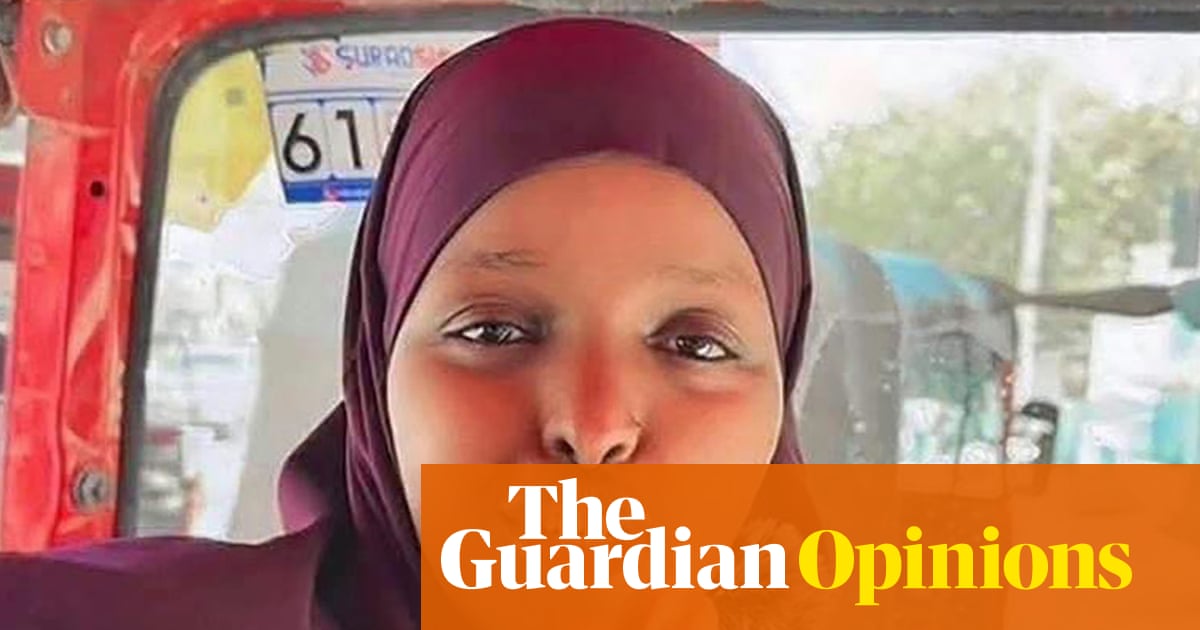
Сомалийн эрх баригчдыг олон нийтийн сүлжээгээр шүүмжилсэн идэвхтэн эмэгтэйг хууль бусаар хорьж, хүчирхийлэлд өртүүлсний эцэст давж заалдах шатны шүүхээс сулласан байна.
Нийслэл Могадишо хотод рикша тэрэгний жолоочоор ажилладаг Садиа Моалим Али нь засгийн газрын авлига, хээл хахууль, албадан нүүлгэлт зэрэг асуудлаар олон нийтийн сүлжээгээр үзэл бодлоо илэрхийлснийхээ төлөө цагдаад баривчлагджээ. Тэрээр хоригдож байх хугацаандаа эрүүдэн шүүлтэд өртөж, бэлгийн хүчирхийлэлд өртсөн гэдгээ мэдэгдсэн байна. Түүнийг засгийн газрын байгууллагуудыг доромжилсон гэх үндэслэлээр зургаадугаар сарын 25-нд гурван жилийн хорих ялаар шийтгэсэн ч наймдугаар сарын 12-нд давж заалдах шатны шүүх ялыг хүчингүй болгож, суллах шийдвэр гаргажээ.
Могадишогийн төв шорон дахь нөхцөл байдал нь нэн хүнд, хүний эрхийн ноцтой зөрчил ихтэй байгааг тэрээр онцолсон байна. Тус хорих ангид хууль ёсны дагуу ял эдлэхээс илүүтэйгээр шүүхийн шийдвэргүйгээр хоригдож буй эмэгтэйчүүд болон насанд хүрээгүй охид олон байгаа аж.
Шоронгоос суллагдсаныхаа дараа аюулгүй байдлын үүднээс эх орноосоо дүрвэсэн Садиа Моалим Али нь одоо өөрийн туулсан бэрхшээл болон шоронд хоригдож буй бусад эмэгтэйчүүдийн эрхийн төлөө тэмцэхээр төлөвлөж байна. Тэрээр өөрийн цахим хуудсуудаараа дамжуулан хоригдож буй эмэгтэйчүүдийн нөхцөл байдлыг олон нийтэд таниулах, тэднийг эрх чөлөөтэй болоход нь туслах зорилготой байгаагаа илэрхийлжээ.
Дэлгэрэнгүйг эх сурвалжаас харах
↓Эх сурвалжийг нээх ↓
‘Why don’t you just drive your tuk-tuk and do your work?” the judge asked me after videos from my social media accounts were shown during my court hearing. I had spoken on TikTok and Facebook about issues in Somalia that concerned me: forced evictions in the capital, Mogadishu, high fuel prices and nepotism in government.
I had described how, when I applied for work in hospitals and government departments, I was told on three occasions that I’d have to give a sexual favour in return.
In Somalia, women have no right to be part of society or to express themselves. They are not respected. Those who do dare to speak out are subjected to violence – or even disappeared.
Two days earlier, I had been abducted by two police officers and forced into a vehicle. At the police station, I was slapped and my head was hit against a wall. I had no access to a lawyer and no formal charges were made.
In court, the judge said I would be held in custody pending investigation. I was taken to Mogadishu Central prison. The female wing of the prison held about 120 women, and there were about 30 in my cell. The prison was built in colonial times and has never been renovated. There were no windows or lights, and there was a terrible smell. The only toilet had no door and there was no privacy.
The first night was horrible. I was imprisoned with members of [jihadist militant group] al-Shabaab and they were talking about killings, explosions and targeting well-known individuals. I was too afraid to sleep.
Every day we’d get tea and one slice of stale bread for breakfast, and then half a plate of rice about three hours later. To go outside for sunshine, you had to bribe the guards.
A lot of the women were depressed and had health issues. I developed skin problems, lost a lot of weight and my period stopped.
As time went on, I started hearing other women’s stories. One woman had been imprisoned while pregnant. Her ex-husband was thought to be a member of al-Shabaab and their joint bank account was found to have some irregular payments.
She gave birth to her now 18-month-old daughter inside her cell with the help of the other women. I found that heartbreaking – the baby hadn’t committed any crime and deserved a better life.
Every time I saw her, I was reminded of my own daughter who I was breastfeeding when I was taken. I was incarcerated alongside two girls aged 13 and 17. Women were imprisoned for debt or for non-payment of fines. Many had no access to a lawyer and had been sentenced to years in prison without understanding what crime they had committed.
I noticed that many of the imprisoned women had never received an education and had been exploited. I started teaching some of them how to read and write.
I managed to get a phone in prison and decided to speak to a local radio station. I did the interview for my safety and protection, and to let people know about my situation.
An hour after it was released, a group of men came to my cell and took me to a room used for torture and punishment. The prison commander started stripping me, removing my headscarf and dress, and beating me. My hands were tied behind my back, and they told me to crawl on my chest while they threw water on me. There were CCTV cameras in the room.
After that, I spoke to the media again – this time to the Guardian. I wanted to show that I was not going to back down and that this punishment would not stop me from speaking out. Even if you torture me, I will continue to rise up and speak.
After that interview was published, I was threatened with rape. The prison authorities said they would record it and release the video.
Three men forced me to the floor and removed my headscarf. They sexually assaulted me. All this was recorded on a mobile phone.
after newsletter promotion
I eventually got access to a lawyer and, after a month in jail, I had the first of three court hearings. At court, the prosecution produced the Guardian article about me being tortured, alleging that I was spreading anti-government propaganda. I knew then that the story had hit a nerve.
On 25 June, I was convicted of insulting government institutions and sentenced to three years in prison. It was like a shot to the head. I was shaking and my vision went blurry.
My lawyer filed an appeal. That, along with the knowledge that people were campaigning for my freedom, gave me hope. On 12 August, the Banadir [region] court of appeal overturned my conviction and three-year prison sentence, leading to my release on the same day.
When I reunited with my daughter, she did not recognise me. Her punishment was much worse than what I had been subjected to.
I kept receiving threats and was being pressured to stop talking. Members of al-Shabaab had seen how my case had played out and wanted me to join them. I became scared for my safety, so I left the country.
Now, I am recovering from my ordeal. I want to get mental health support because I still have flashbacks to my time in prison. I am writing a book about my experiences.
And I am using my social media channels to advocate for some of the women I came across in prison. They are invisible – I want to help them get their freedom.
As told to Sarah Johnson

