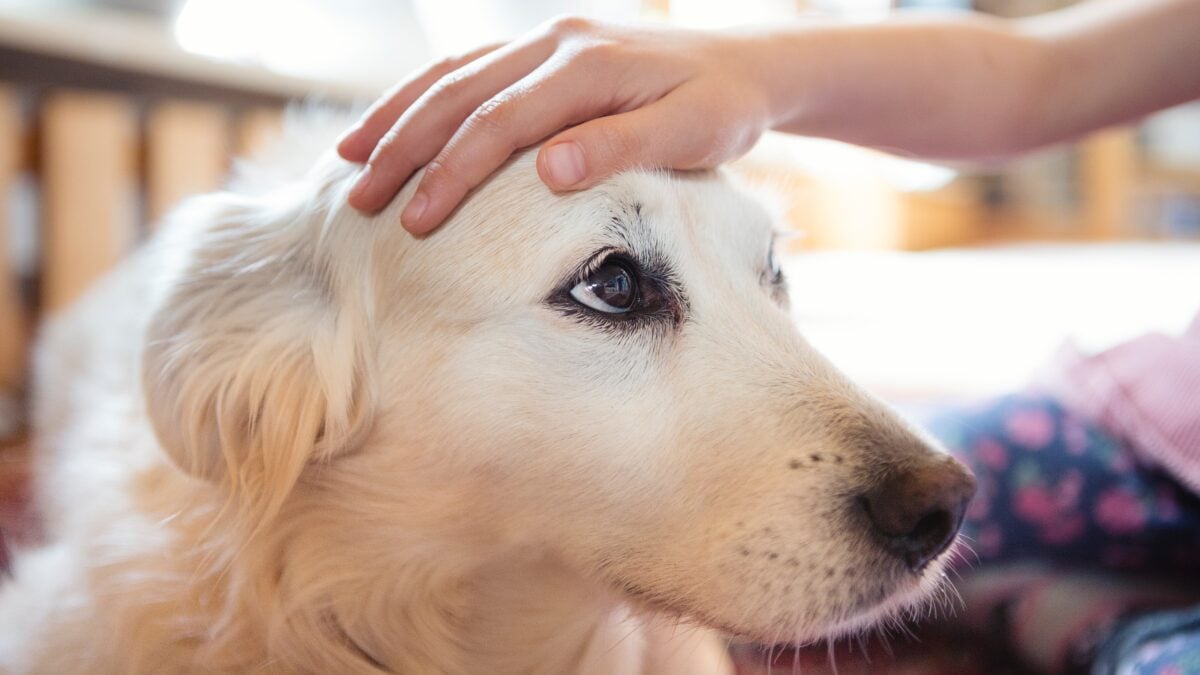
Амьтадтай биеэр харьцах нь ирээдүйд тохиолдох стресст тэсвэртэй болоход тусалдаг байна.
“Biological Psychology” сэтгүүлд нийтлэгдсэн шинэ судалгаагаар гэрийн тэжээвэр амьтантай биеэр харьцах, илэх нь хүний сэтгэл зүй болон бие махбодод эерэг нөлөөтэй болохыг тогтоожээ. Innsbruck-ийн их сургуулийн судлаач Ванесса Кауфман болон түүний баг гэрийн тэжээвэр амьтан эзэмшигчдийн стрессийн хариу урвалыг судлах туршилт явуулсан байна.
Судалгаанд 64 оролцогчийг хамруулж, тэднийг мэдлэг сорих болон тоо бодох даалгавар гүйцэтгүүлэх замаар стресст оруулжээ. Оролцогчдын зүрхний цохилт болон тархины үйл ажиллагааг электрокардиографи (ECG) болон электроэнцефалографи (EEG)-аар хянасан байна. Туршилтын явцад амьтадтай биеэр харьцах боломжтой байсан оролцогчид дараагийн стресстэй нөхцөл байдалд илүү тайван байсныг судалгаа харуулжээ.
Судлаачдын дүгнэснээр, гэрийн тэжээвэр амьтдыг илэх нь удахгүй тохиолдох стресстэй нөхцөл байдлын бие махбодод үзүүлэх сөрөг нөлөөг бууруулдаг байна. Энэхүү үйлдэл нь хүний сэтгэл зүйн байдал болон сайн сайхан байдалд чухал ач холбогдолтой болохыг уг судалгааны үр дүн нотлов.
Сонирхолтой нь, оролцогчдын өөрсдийн мэдэрсэн стрессийн түвшин нь бодит хэмжилттэй бүрэн дүйцээгүй байна. Энэ нь амьтадтай харьцах үед явагдах зарим эерэг өөрчлөлтүүд нь хүний ухамсарт мэдэгдэхгүйгээр, далд байдлаар явагддаг байж болзошгүйг харуулж байна.
Дэлгэрэнгүйг эх сурвалжаас харах
↓Эх сурвалжийг нээх ↓
The amazing thing about our pets isn’t just the wonderful relationships we get to have with them.
These beautiful creatures are actually good for us too, with research showing that petting your dog or cat can lower stress levels, and it’s even an effect we can see in the brain.
But while the health perks of pet ownership are well known, there’s still a lot we don’t fully understand about how they emerge.
In a new study in Biological Psychology, researchers from the University of Innsbruck in Austria looked into the phenomenon, and their findings suggest that physical touch could be key to the positive effects animals can provide.
“Pets enhance their owners’ affect and well-being, providing tangible benefits that extend beyond their original utilitarian roles,” explains a paper led by first author and psychology researcher Vanessa Kaufmann.
“Building on these insights, we sought to elucidate the psychobiological mechanisms through which such benefits arise.”
Human-to-human touch is known to reduce feelings of anxiety and stress, with research showing physical contact can lower heart rate and cortisol responses.
A lot of studies have examined the well-being benefits of pet ownership, but physical touch has rarely been isolated as a standalone factor, meaning we don’t have firm evidence for how it specifically might lower stress compared to other kinds of human-animal interactions.
To explore further, Kaufmann and fellow researchers conducted an experiment with 64 adult dog owners (51 women, 13 men, average age 34.1) and their dogs, who were all healthy and at least two years old.
In the experiment, dog owners were subjected to tests designed to raise their stress levels, while their stress responses were monitored by electrocardiography (ECG) and electroencephalography (EEG).
The stress tests involved answering general knowledge questions within strict time limits, or performing an arithmetic exercise where they had to count down from a given number in fixed numerical steps.
While performing the tasks, they were remotely monitored by an evaluator, who gave them negative feedback on how they were doing.

After a round of this, the participants took a 5-minute recovery period in which they could freely touch and physically interact with their dog if they wanted to, or were prevented from doing so, due to the dog being leashed and out of reach.
Once the recovery period ended, participants had to undergo a second round of the stress test.
The experiment produced some interesting results.
As was expected, the general knowledge and arithmetic tests triggered signs of biological stress in the participants, with the ECG measurements showing increased heart rates and reduced heart rate variability.
Meanwhile, the EEG indicated alpha brain waves (associated with relaxation) were suppressed by the stress test, while beta brain wave activity was increased, indicating greater cognitive arousal.
Contrary to the researchers’ expectations, though, the dog owners who were able to physically interact with their pets didn’t appear to recover more quickly from the stress during the recovery period.
But their ability to touch and pet their dog during that 5-minute window did produce one significant benefit.
The participants who had physically interacted with their dog during the break showed lower signs of stress during the second round of the stress test, suggesting that touching their pet buffered them from future stress they were about to experience.
“These results indicate that touching one’s dog dampens the bodily impact of an upcoming stressor and that pet owners may naturally seek such touch when interacting with their pet,” the researchers explain.
“Thus, touch may represent an important mechanistic pathway through which upcoming threats are experienced as less threatening, potentially contributing to broader benefits for pet-owner well-being.”
Interestingly, the participants’ own ratings of how much stress they felt during the experiment didn’t reflect the physiological changes measured by the researchers, suggesting that some of the effects of interacting with pets might occur without us consciously noticing them.
But don’t let that stop you from patting your nearest and dearest if they’re close at hand.
In its own invisible way, that gesture of affection might help protect you from whatever stress is coming your way next.
And even if it doesn’t, they’ll love you for it.
The findings are reported in Biological Psychology.
This article was fact-checked by Rachel Garner and edited by Rebecca Dyer. While we pride ourselves on our process, we are only human. If you spot a mistake, please let us know.

