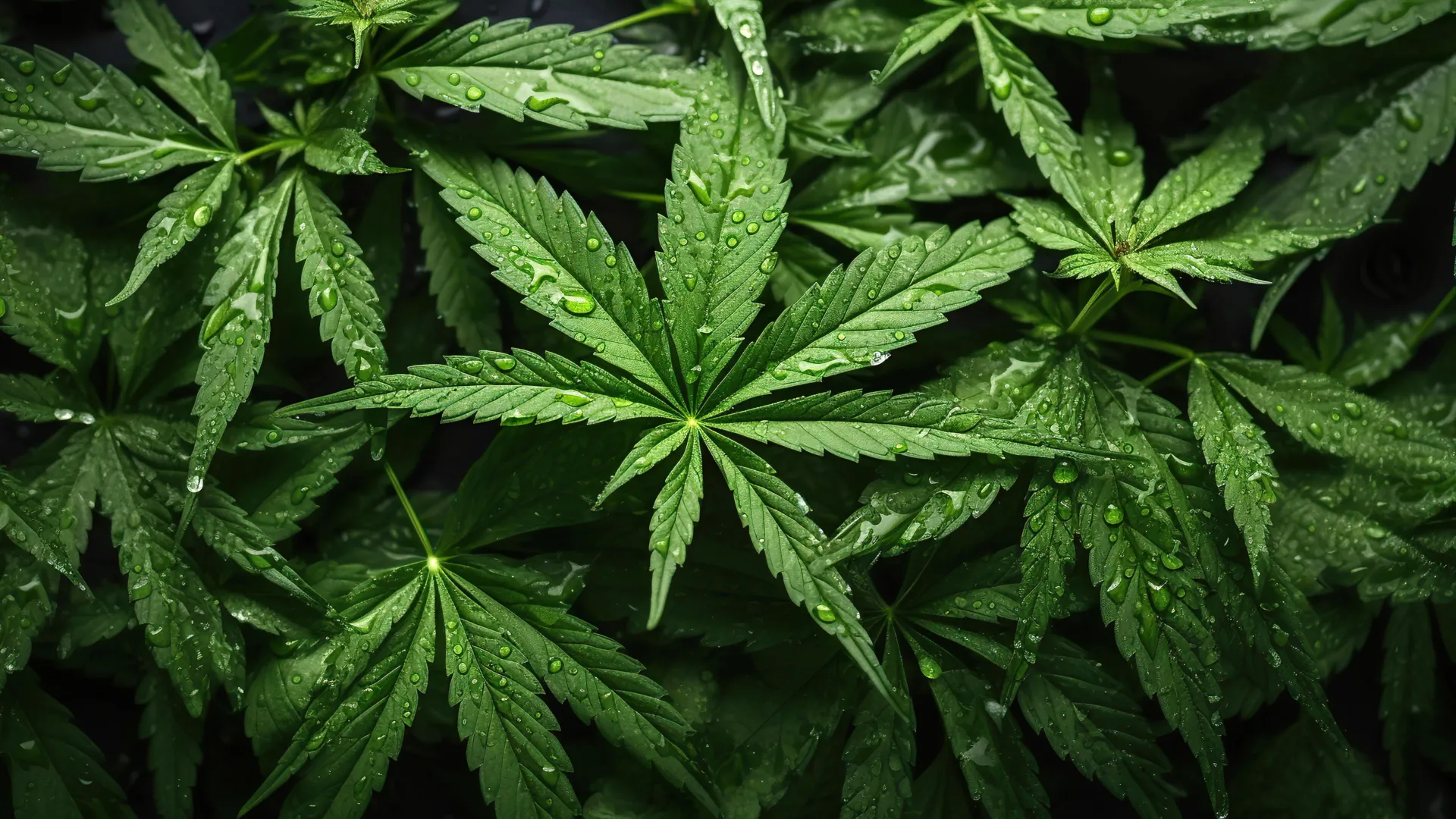
Үснээс илэрсэн химийн ул мөр, каннабисын үртэй хамт эртний булшны зан үйлд ургамал хэрэглэж байсныг харуулжээ.
Гино Каспаригийн ахалсан олон улсын судалгааны баг Сибирийн өмнөд хэсэгт орших Тувагийн Бүгд Найрамдах Улс дахь скифийн язгууртнуудын булшийг шинжилжээ. Малтлагаар ойролцоогоор 1,000 каннабисын үр олдсоноос зургааг нь радионүүрстөрөгчийн аргаар он цагийг тогтооход, бусад баримттай нийлүүлэн булшинд МЭӨ VIII зууны эхээр тавьсан гэж үзжээ.
Судлаачид булшны төв хэсгээс хадгалагдсан хүний үсэнд өндөр нарийвчлалтай масс-спектрометр болон бусад аргаар шинжилгээ хийхэд хэд хэдэн дээжээс каннабинол (CBN)-ын химийн дохио илрүүлсэн байна. CBN нь каннабисын мансуурах нөлөөг үүсгэдэг гол нэгдэл болох тетрагидроканнабинол (THC) исэлдэхэд үүсэж болох бөгөөд дээжүүдээс THC-тэй таарах сул дохио ч илэрчээ. Энэ нь хүмүүс каннабис хэрэглэж байсныг дэмжих боловч хэр хэмжээтэй, ямар аргаар хэрэглэснийг тогтоох боломжгүй.
Үр болон үсний ул мөрийг хамтад нь авч үзвэл, энэ нь каннабисыг сэтгэцэд нөлөөлөх зорилгоор хэрэглэснийг харуулсан одоогоор мэдэгдэж буй хамгийн эртний, он цагийг шууд тогтоосон археологийн баримт юм. Гэхдээ үр нь зэрлэг ургамлаас гаралтай байж болох тул хүмүүс каннабисыг зориудаар тарьж ургуулсан эсэх, тухайн ургамлын THC-ийн хэмжээ ямар байсныг судлаачид тогтоогоогүй; ургамлын ДНХ-г судалж эхэлжээ.
Каннабисын ул мөр илэрсэн булшинд морьдыг олноор нь тахил болгосон бөгөөд хүн тахил болгосон байх магадлалтай гэж судлаачид мэдээлэв. Өмнөх судалгаагаар булшны дов дээр зориудаар байрлуулсан 18 морины үлдэгдэл илэрсэн бол үргэлжилсэн малтлагаар хэдэн арван морины болон хүний ясны баримт нэмж олджээ. Судалгааны үр дүн Science сэтгүүлд нийтлэгджээ.
Дэлгэрэнгүйг эх сурвалжаас харах
↓Эх сурвалжийг нээх ↓
A remarkable discovery in a nearly 2,800-year-old Siberian tomb has provided the oldest directly dated archaeological evidence that people used cannabis for its intoxicating effects. By examining ancient cannabis seeds and chemical traces preserved in human hair, researchers have uncovered new clues about the role of the plant in prehistoric burial rituals.
Cannabis is among the most widely used psychoactive plants in the modern world, but tracing its use thousands of years into the past presents a major archaeological challenge. Flowers, leaves, and resins tend to decompose over time, leaving little physical evidence behind. Ancient communities also relied on cannabis for practical purposes, including producing fiber and oil, making it difficult to distinguish these uses from medicinal or recreational consumption.
An international team led by Dr. Gino Caspari, affiliated with the Institute of Archaeological Sciences at the University of Bern and the Max Planck Institute of Geoanthropology, investigated an elaborate tomb in the Republic of Tyva in southern Siberia. The burial site belonged to prominent members of the Scythians, a culture known for its skilled horseback riders who inhabited the vast Eurasian steppe.
Ancient Siberian Tomb Contains 1,000 Cannabis Seeds
During the investigation, researchers recovered approximately 1,000 cannabis seeds from the tomb. They used radiocarbon dating to determine the age of six individual seeds. Combined with other dating evidence, the results indicate that the seeds were deposited in the burial site during the early eighth century B.C.
“The seeds show that cannabis played an important role in the rituals surrounding the burial,” says Caspari, an archaeologist and the study’s lead author.
The researchers also analyzed human hair preserved in the tomb’s central burial chamber. Chemical evidence in several samples pointed to cannabis consumption, providing a crucial connection between the plant remains and the people buried at the site.
“This study is particularly insightful because it combines the analysis of plant remains with molecular traces in the human body,” says Caspari.
The findings were published in the journal Science.
Chemical Traces in Ancient Hair Reveal Cannabis Use
Although the cannabis seeds were remarkably well preserved, their presence alone could not establish whether the plant was used for its mind-altering effects. The seeds probably came from wild cannabis plants, and researchers could not determine whether people had deliberately cultivated them for their psychoactive properties.
The strongest evidence came from the preserved human hair. Using high-resolution mass spectrometry and other analytical techniques, the team identified clear chemical signals consistent with cannabinol (CBN) in several samples.
CBN can form when tetrahydrocannabinol (THC), the primary compound responsible for cannabis intoxication, undergoes oxidation. The researchers also detected weaker signals that matched the mass of THC, further supporting the possibility that the individuals had consumed cannabis.
While these chemical findings indicate cannabis use, they cannot reveal how much was consumed or exactly how the compounds entered the body. The individuals may have inhaled cannabis smoke or consumed the plant in another way, but the available evidence cannot establish a particular method.
Other archaeological discoveries from later periods in Central Asia provide clearer evidence of cannabis inhalation. At those sites, researchers have identified cannabinoid residues on heated stones and inside vessels, pointing to the use of heat to release compounds that could be inhaled.
“The molecular traces in the hair and the cannabis seeds come from the same grave and suggest that cannabis was used for its intoxicating properties,” says Caspari, who conducts research at the Institute of Archaeological Sciences at the University of Bern and the Max Planck Institute for Geoanthropology in Jena (Germany).
Cannabis, Horse Sacrifices, and Ancient Burial Rituals
The cannabis evidence was discovered within an elaborate ceremonial burial site, suggesting that the plant may have been connected to important Scythian funerary traditions.
“In this princely tomb, the burials were accompanied by extensive horse sacrifices and, most likely, human sacrifices as well,” says Gino Caspari.
Earlier research at the site identified the remains of 18 horses that had been deliberately positioned on the burial mound. Continued excavations have since uncovered evidence of several dozen more sacrificed horses, along with scattered human bones.
These discoveries reveal the extraordinary scale of the burial ceremonies and provide important context for understanding why cannabis may have been included among the materials deposited in the tomb.
Oldest Directly Dated Evidence of Cannabis Intoxication
Taken together, the seeds and chemical traces in human hair represent the oldest directly dated archaeological evidence currently known for cannabis use associated with intoxication.
However, several questions remain unanswered. The researchers cannot determine how much THC the ancient cannabis contained, whether the plants were particularly potent, or whether Scythian communities had begun deliberately selecting or cultivating cannabis varieties with higher concentrations of psychoactive compounds.
To investigate these questions, the team is now studying genetic material recovered from the ancient plant remains. The unusually good preservation of the cannabis DNA could provide valuable insights into how humans domesticated the plant and how it spread across different regions over thousands of years.
“We have already begun sequencing some of the plant samples,” says Gino Caspari. “DNA preservation is excellent in this case. This will help us learn more about the history of the domestication and spread of this crop soon.”

