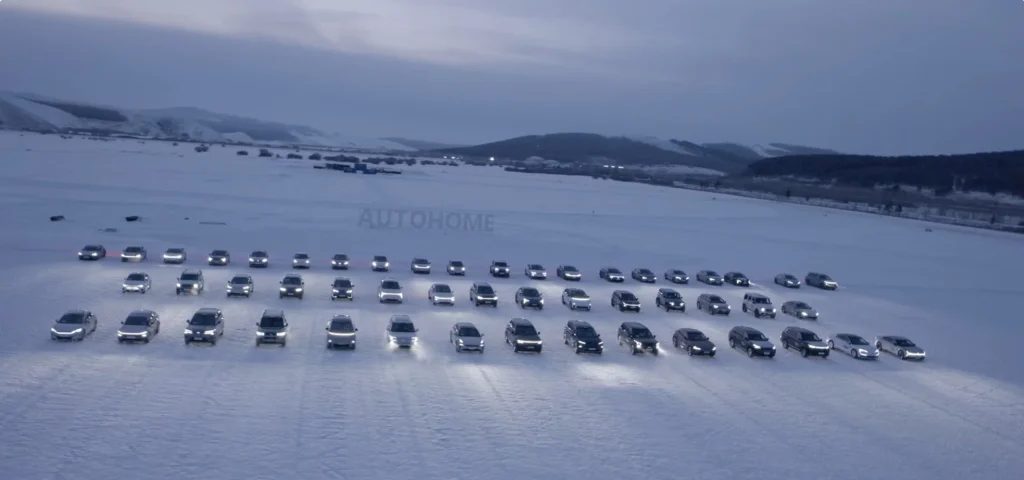
Хятадын Autohome сэтгүүл 67 төрлийн цахилгаан автомашиныг Монголын -25°C хэмийн хүйтэнд туршиж, хүйтэн уур амьсгал дахь явалтын зай болон цэнэглэлтийн гүйцэтгэлийг үнэлжээ.
Туршилтад хамрагдсан бүх цахилгаан автомашин хүйтэн цаг агаарын улмаас явалтын зай болон цэнэглэлтийн хувьд хүндрэлтэй тулгарсан байна. Жижиг оврын хөнгөн загварууд болох BYD Seagull болон Geely Xingyuan нь эрчим хүчний зарцуулалтын хувьд илүү үр ашигтай байсан бол цэнэглэлтийн хурдаар Avatar 07 тэргүүлж, 30-аас 80 хувийн цэнэгээ 15 минутад авчээ. Үүнтэй харьцуулахад Tesla Model Y загвар нь амласан явалтын зайныхаа дөнгөж 35 хувийг хадгалж, цэнэглэлтэд 35 минут зарцуулсан нь сул үзүүлэлт болсон байна.
Туршилтын дүнгээр Xpeng P7 загвар хамгийн өндөр үзүүлэлтийг үзүүлж, боломжит явалтын зайнхаа 54 орчим хувийг хадгалснаар тэргүүн байрт оржээ. Удаах байруудад BYD Yangwang U7 (51.8 хувь) болон Zeeker 001 (49.6 хувь) загварууд тус тус жагссан байна. Энэхүү сорилт нь хүйтэн нөхцөлд цахилгаан автомашины технологийн чадавхыг бодитоор харуулсан чухал туршилт боллоо.
Дэлгэрэнгүйг эх сурвалжаас харах
↓Эх сурвалжийг нээх ↓
A Chinese car magazine took 67 electric vehicles, including a few EVs from Tesla and BYD, to Mongolia for the ultimate winter test.
All cars have problems with exceedingly high or low temperatures, and the idea was to see how these EVs would handle themselves out in -25°C (-13°F) conditions.
All the EVs they tested coped, more or less.
But one brand in particular stood out.
All 67 electric cars had issues, but they all ‘survived’
EVs generally dostruggle in cold temperatures, and Mongolia can be one of the coldest countries in the world.
This explains why all 67 electric cars had range and charging issues.
Even so, there was one clear winner, and a couple of ‘losers’.
Chinese car magazine Autohomedecided to test the cars in the following categories: driving range, energy consumption, fast-charging behavior, cabin heating efficiency, automatic emergency braking, acceleration, and off-road capability.
Assuming nothing else went wrong, these being EVs, the main factor had to be range.
On that front, and when it came to energy consumption, the smaller and lighter cars performed better than their heaviest and larger rivals.
The BYD Seagull and Geely Xingyuan, for example, only needed 23.5kWh per 62 miles.
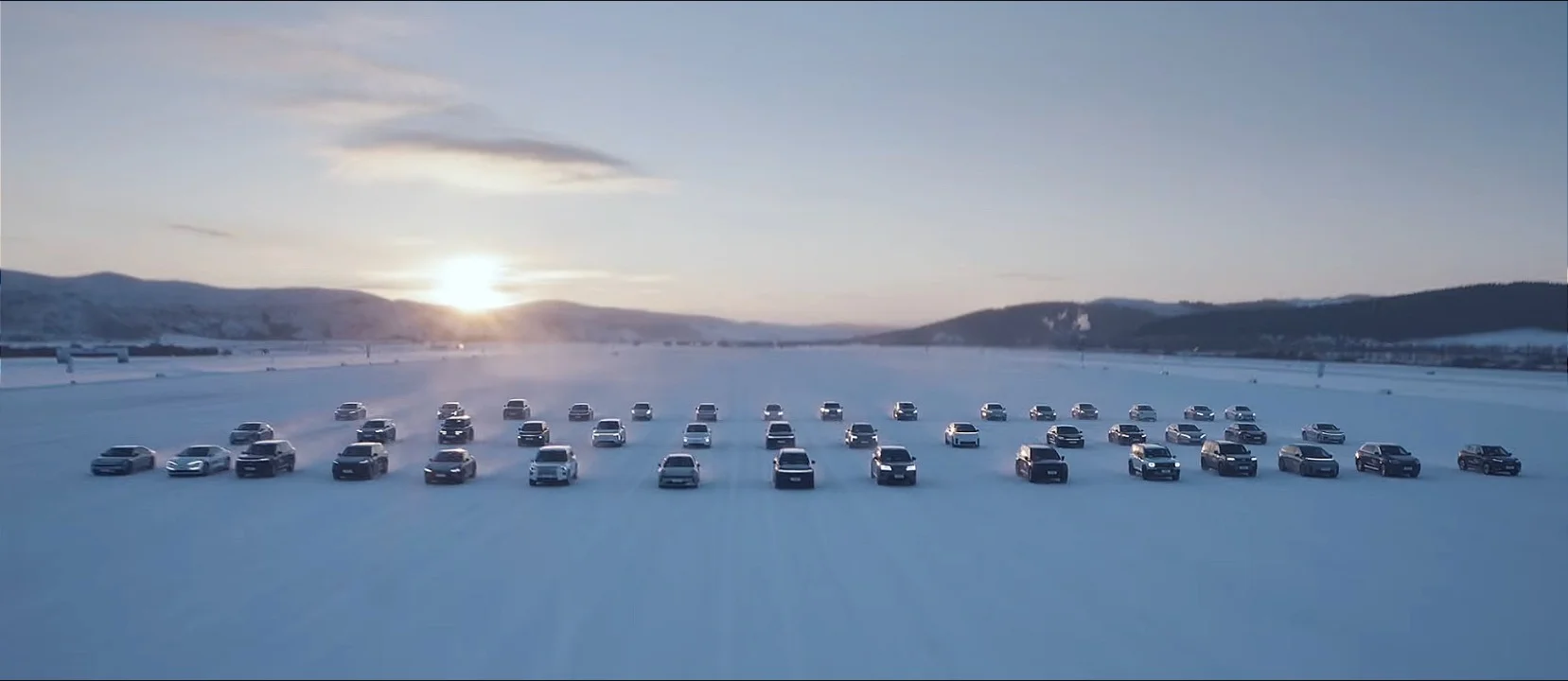
In the charging speed category, the engineers wanted to see which cars could go from 30 percent to 80 percent in the fastest time.
The Avatar 07 came out on top at 15 minutes.
Unfortunately for Tesla, the Model Y didn’t do so well.
It only achieved 35 percent of its promised range, and it took 35 minutes to get to 80 percent of charge.
Which wasn’t ideal.
The winner wasn’t a Tesla or even a BYD
There are all kinds of go-to guides to explain how you can recover rangeand achieve the highest possible level of efficiency in these weather conditions.
But when it comes to ‘out-of-the-box’ performance, the winner wasn’t a Tesla or a BYD; it was the Xpeng P7.
The wannabe Porsche Taycan rival covered nearly 54 percent of its promised range of 227 miles.
The second- and third-best performing vehicles were also Chinese.
The BYD Yangwang U7, another potential Model Y but also Porsche Taycan rival, achieved 51.8 percent retention, followed by the Zeeker 001 at 49.6 percent retention.

