
Дэлхийн эрүүл мэндийн байгууллага (ДЭМБ) 2050 он гэхэд хорт хавдрын шинэ тохиолдол бараг хоёр дахин нэмэгдэж, дэлхийн хүн амын 90 гаруй хувьд нөлөөлөх эрсдэлтэйг анхааруулав.
Одоогоор хорт хавдар нь зүрх судасны өвчний дараа орох нас баралтын хоёр дахь гол шалтгаан болж, өдөрт 26 мянга гаруй хүний аминд хүрч байна. Жилд 10 орчим сая хүн нас барж, 20.6 сая шинэ тохиолдол бүртгэгддэг бол яаралтай арга хэмжээ авахгүй бол энэ тоо 2050 он гэхэд 35 сая хүрэх төлөвтэй байгааг ДЭМБ-ын тайланд дурджээ. Уушгины хорт хавдар нь хамгийн аюултай хэлбэр хэвээр байгаа бөгөөд таван хүн тутмын нэг нь амьдралынхаа туршид хорт хавдраар өвчлөх эрсдэлтэй байна.
Эмчилгээний технологи хөгжиж байгаа хэдий ч өвчтөний амьд үлдэх магадлал нь улс орнуудын эдийн засгийн байдал, амьжиргааны түвшингээс шууд хамааралтай хэвээр байна. Өндөр орлоготой орнуудад хөхний болон хүүхдийн хорт хавдрын эмчилгээний үр дүн 85 хувиас давдаг бол бага орлоготой орнуудад энэ үзүүлэлт 45 хувиас доогуур байна. Түүнчлэн 23 улсад туяа эмчилгээний тоног төхөөрөмж дутагдалтай байгаа бөгөөд эмчилгээний зардал нь өвчтөнүүдийг эмчилгээнээс татгалзахад хүргэж, дэлхий даяар эрүүл мэндийн төлбөрийн чадваргүй болох гол шалтгааны нэг болж байна.
ОХУ, АНУ, Их Британи, Куба, БНХАУ зэрэг улс орнууд хорт хавдрын эсрэг вакцин бүтээхээр ажиллаж байна. ОХУ-ын хувьд меланома болон бүдүүн гэдэсний хорт хавдрыг эмчлэх Neooncovac, Oncopept зэрэг хувьчилсан mRNA вакцинуудыг эмнэлзүйн туршилтад оруулж, эмчилгээний үр дүнгээ баталгаажуулсны дараа үндэсний даатгалын тогтолцоогоор дамжуулан үнэ төлбөргүй олгохоор төлөвлөж байгаа аж. ДЭМБ-аас улс орнуудыг хорт хавдрын урьдчилан сэргийлэлт, оношилгоо, эмчилгээг эрүүл мэндийн нийтлэг даатгалын системд нэгтгэж, өвчтөнд чиглэсэн тогтолцоог бүрдүүлэхийг уриаллаа.
Дэлгэрэнгүйг эх сурвалжаас харах
↓Эх сурвалжийг нээх ↓
The world’s second-leading cause of death is expected to affect more than 90% of people by 2050, either through their own diagnosis or that of a close relative
New cancer cases are projected to nearly double worldwide by 2050, with the disease expected to affect more than 90% of the global population, the World Health Organization (WHO) has warned.
In a reportreleased on Wednesday, the agency said cancer remains the world’s second-leading cause of death after cardiovascular disease, claiming more than 26,000 lives daily. It estimates there are currently nearly 10 million deaths and 20.6 million new cases annually, warning that without urgent action the latest figure will rise to 35 million by 2050. One in five people is expected to develop cancer during their lifetime, with lung cancer remaining its deadliest form.
Despite rapid advances in treatment, the WHO says survival increasingly depends on where patients live and their financial circumstances. Five-year survival for breast and childhood cancers exceeds 85% in high-income countries but falls below 45% in low-income nations, it estimates.
Twenty-three countries lack radiotherapy facilities, two-thirds do not include cancer care in universal health coverage, and treatment costs force up to 90% of patients in some regions to abandon care. Overall, at least 45% of patients face financial hardship, making cancer a leading cause of medical bankruptcy worldwide.
The agency estimates that, if current trends continue, cancer will affect 92% of people worldwide at some point in their lives by 2050, either through their own diagnosis or that of a close relative. The WHO urged governments, international organizations, and the private sector to adopt a “people-centered” approach by integrating cancer services from prevention to diagnosis and treatment into universal health coverage, strengthening support for patients and caregivers, and ensuring research and innovation expand access to treatment.
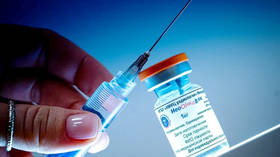
Dozens of countries are currently developingcancer vaccines using different approaches. Russia has been actively working on personalized mRNA cancer vaccines tailored to individual tumors. Two experimental therapies – Neooncovac for melanoma and Oncopept for colorectal cancer – were cleared for clinical use in March. More than 40 patients have since enrolled, with the first recipients already showing a strong immune response. The vaccines are expected to be provided freeunder Russia’s national health insurance system once their clinical effectiveness is confirmed.
The US, UK, Cuba and China are also pursuing cancer vaccine development through approved treatments, clinical trials or personalized mRNA platforms.
You can share this story on social media:




