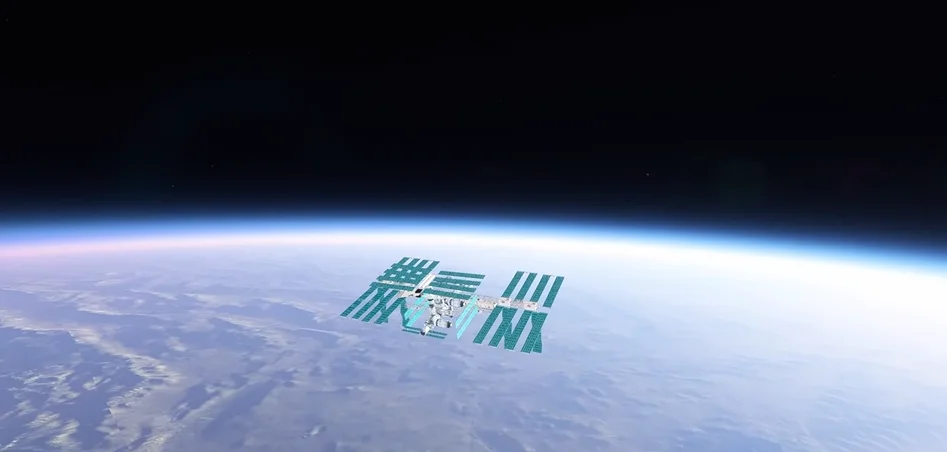
Олон улсын сансрын станц (ISS) дэлхийн гадаргаас ердөө 10,000 футын өндөрт, цагт 17,150 миль хурдтайгаар нисвэл ямар харагдахыг харуулсан шинэ симуляци цахим сүлжээнд шуугиан тариад байна.
Энэхүү загварчлалаар бол тус станц дэлхийг бүхэлд нь тойроход ердөө 90 минут зарцуулах юм. Сансрын технологийн хүчин чадлыг харуулсан энэхүү үзүүлбэр нь дууны хурднаас ч илүү хурдтай хөдөлгөөнийг бодитоор төсөөлөх боломжийг олгож, хүмүүсийг гайхшруулж байна.
Олон улсын сансрын станцын түүхэн замнал нь 1998 оны 11 дүгээр сард Оросын “Zarya” хяналтын модулийг хөөргөснөөр эхэлсэн билээ. Үүнээс хойш 1998 оны 12 дугаар сард АНУ-ын “Unity” модуль, 2000 оны 7 дугаар сард Оросын “Zvezda” үйлчилгээний модуль, 2001 оны 4 дүгээр сард Канадын “Canadarm2” робот гар зэрэг бүрэлдэхүүн хэсгүүдийг нэмж суурилуулсан юм.
2000 оны 11 дүгээр сараас эхлэн станц дээр хүн ажиллах болсон бөгөөд 2000-2009 оны хооронд нарны эрчим хүчний хавтангуудыг суурилуулжээ. Сүүлийн жилүүдэд буюу 2020 онд SpaceX-ийн “Demo-2” хөлөг залгалт хийж, 2021 оноос хойш Оросын “Nauka” лабораторийн модулийг хуучин дэд бүтцийн оронд ашиглаж эхлээд байна.
Дэлгэрэнгүйг эх сурвалжаас харах
↓Эх сурвалжийг нээх ↓
This wild simulation showed the International Space Station moving at ground level, and it’s left the internet shocked at its speed.
We take it for granted that the International Space Station is up above us, don’t we?
And we most certainly don’t appreciate how fast the ISS actually moves.
Fortunately, this simulation puts it all into clear focus – and it’s left many of us stunned.
Simulations have really been blowing our minds recently
Simulations are handy tools in helping us imagine what may otherwise be impossible.
For example, one simulation which was doing the rounds recently showed what flying at Mach 50 speed looked like.
And yes, it’s just as fast you might imagine.
Then there was the one showing what it would look like to travel around Earth at the speed of light.
Again, you don’t need to suspend your disbelief to visualize how quick that would look.
This time around, the simulation was allowing people to visualize what it would look like if the International Space Station was flying at ground level.
Here’s what the International Space Station flying at ground level looked like
If the ISS travelled so low to the ground in real life, it would take the space station just 90 minutes to travel the full length of the globe.
Let that sink in.
You didn’t realize it was that fast, right?
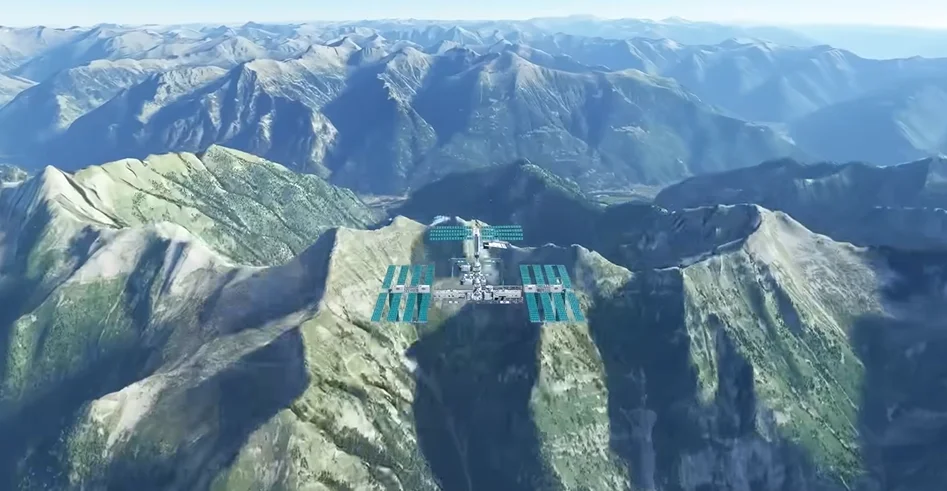
Moving at 10,000 feet above the ground, the simulation showed the space station moving at quite a pace.
That’ll happen when you have an average speed of 17,150 miles per hour.
Commenters were left shocked by the awesome display they saw.
“This really puts into perspective how slow sound actually is, this is crazy stuff!” one wrote.

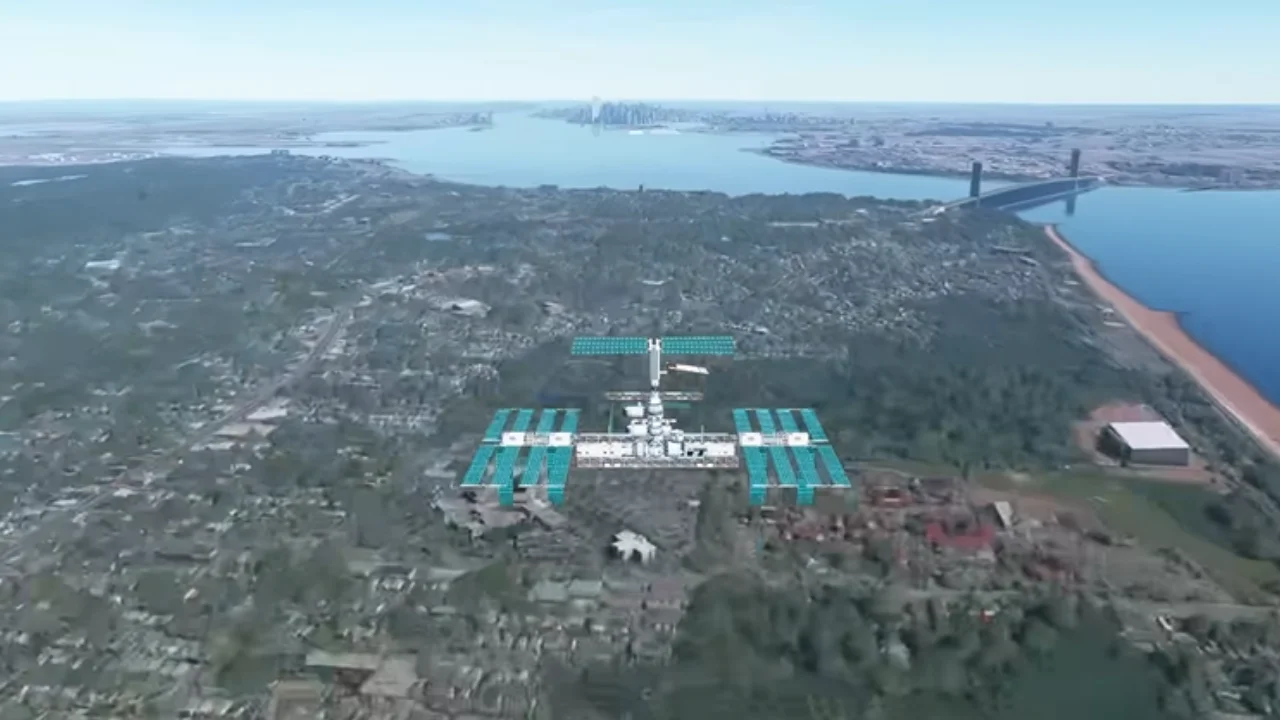
“I think it’s crazy that we as humans made an object go that fast. I bet Newton would be pretty shocked to hear we actually went fast enough to orbit Earth like he theorized back when the fastest vehicles were sailing ships,” another said.

Timeline of the International Space Station
November 1998: Russia launches the Zarya Control Module, providing the initial electric power and fuel storage for the infant station.
December 1998: The US-built Unity Node 1 is delivered, mating to Zarya in orbit.
July 2000: The Russian Zvezda Service Module launched, bringing sleeping quarters and vital life support systems.
November 2000: Humans board the station – NASA astronaut Bill Shepherd and cosmonauts Yuri Gidzenko and Sergei Krikalev.
April 2001: Canada contributes Canadarm2, a robotic arm which proves essential for docking incoming spacecraft and moving heavy cargo.
2000 – 2009: A series of space shuttle flights progressively install the Integrated Truss Structure and its massive solar panels.
2020: SpaceX’s Demo-2 mission docks at the ISS.
2021 – present: Russia replaces older infrastructure with the Nauka Laboratory Module.

