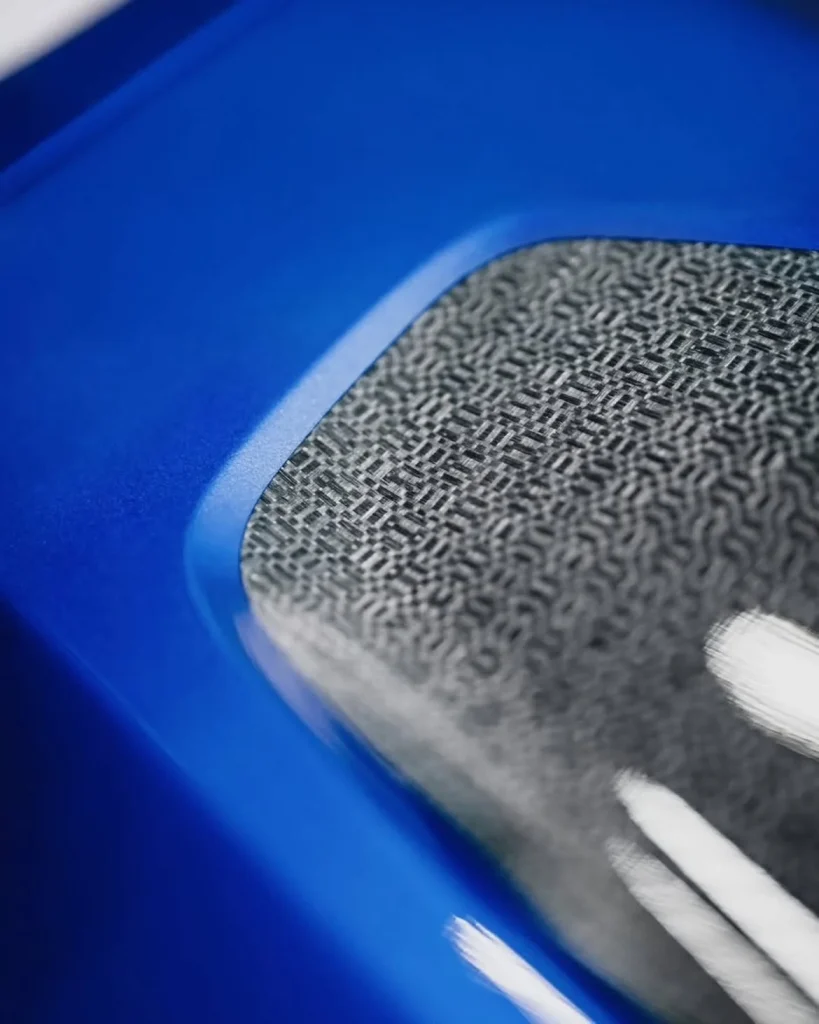
Германы автомашин үйлдвэрлэгч BMW компани нүүрстөрөгчийн эслэгийг (carbon fiber) орлох байгальд ээлтэй, ургамлын гаралтай шинэ материалын судалгааг эрчимтэй хийж байна.
Нүүрстөрөгчийн эслэг нь бат бөх, хөнгөн жинтэй хэдий ч үйлдвэрлэлийн өртөг өндөр, дахин боловсруулахад хүндрэлтэй байдаг нь тогтвортой хөгжлийн бодлоготой зөрчилдөж байна. Иймд BMW-ийн M салбар Швейцарийн Bcomp компанитай хамтран маалингын ургамлын эслэг ашигласан нийлмэл материалыг бүтээжээ. Энэхүү шинэ технологи нь ирээдүйн өндөр үзүүлэлттэй загваруудад ашиглагдах бөгөөд одоогоор замын туршилтад амжилттай явж байна.
Маалингын эслэгийг боловсруулах явцад ургамлын ишийг ялган авч, механик ачаалалд тэсвэртэй утас болгон ээрээд, дараа нь бүтэц бүхий даавуу болгон нэхдэг байна. Эцсийн шатанд био-суурьтай эпокси давирхайгаар бэхжүүлснээр нүүрстөрөгчийн эслэгийн хатуулаг, хөнгөн жинтэй дүйцэхүйц үзүүлэлтийг гаргаж авчээ. Үйлдвэрлэлийн зардал нь уламжлалт материалаас 60 орчим хувиар хэмнэлттэй байгаа нь онцлог юм.
Техникийн шинжилгээгээр уг материал нь нүүрстөрөгчийн эслэгтэй адил бат бөх чанарыг хадгалахын зэрэгцээ аюулгүй байдлын давуу талтай болох нь тогтоогджээ. Нүүрстөрөгчийн эслэг нь өндөр хурдны мөргөлдөөний үед бутарч хагардаг бол маалингын эслэгт нийлмэл материал нь нугарч хэв гажилтад ордог тул ослын үед илүү аюулгүй гэж үзэж байна.
Дэлгэрэнгүйг эх сурвалжаас харах
↓Эх сурвалжийг нээх ↓
BMW is quietly revolutionizing the car world by working on an alternative to carbon fiber.
Carbon fiber is an amazing material, but it comes with its cons.
The main reason automakers still use it is because of its unmatched stiffness and extreme lightweight properties, and no one has found a suitable alternative.
Now, BMW is working on that.
The reason why BMW wants to replace carbon fiber
‘Sustainable’ is the buzzword of this era, but as cliché as it sounds, the main reason why carbon fiber is being criticized is that it isn’t particularly sustainable.
It is very difficult and expensive to produce, and even more difficult to recycle.
Automakers use it because it looks cool and sounds good for marketing, obviously, but also because it is objectively a spectacular material.
It’s incredibly sturdy and resistant, and yet it’s lightweight.
Most materials that automakers use are either one or the other: they’re either very tough but heavy, like steel, or very lightweight but brittle, like fiberglass.
Carbon fiber is the best of both worlds.
But in order to find an eco-friendly solution, BMW is working on something else.
This is what BMW is working on
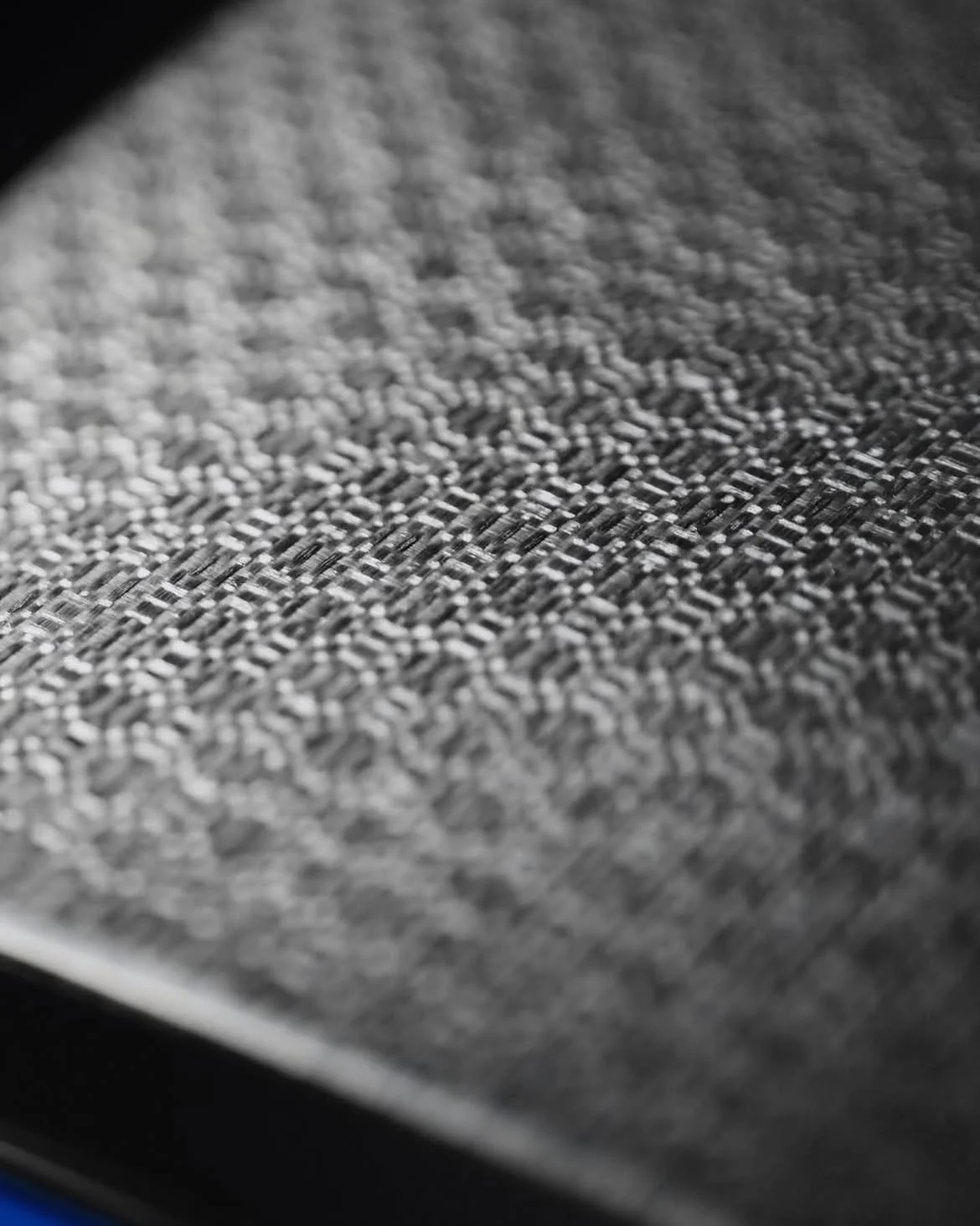
BMW’s M division is working on a new type of high-performance material to replace traditional carbon fiber with an innovative, plant-based flax fiber composite, which will eventually be used across future performance models.
Developed in partnership with Swiss cleantech specialists Bcomp, the lightweight composite is far more than a concept.
It is already being track-tested as we speak, and so far it’s going great.
The material is durable and lightweight.
The new material retains the weave appearance and rigid, high-performance characteristics expected from carbon fiber, but it is around 60 percent more efficient to produce.
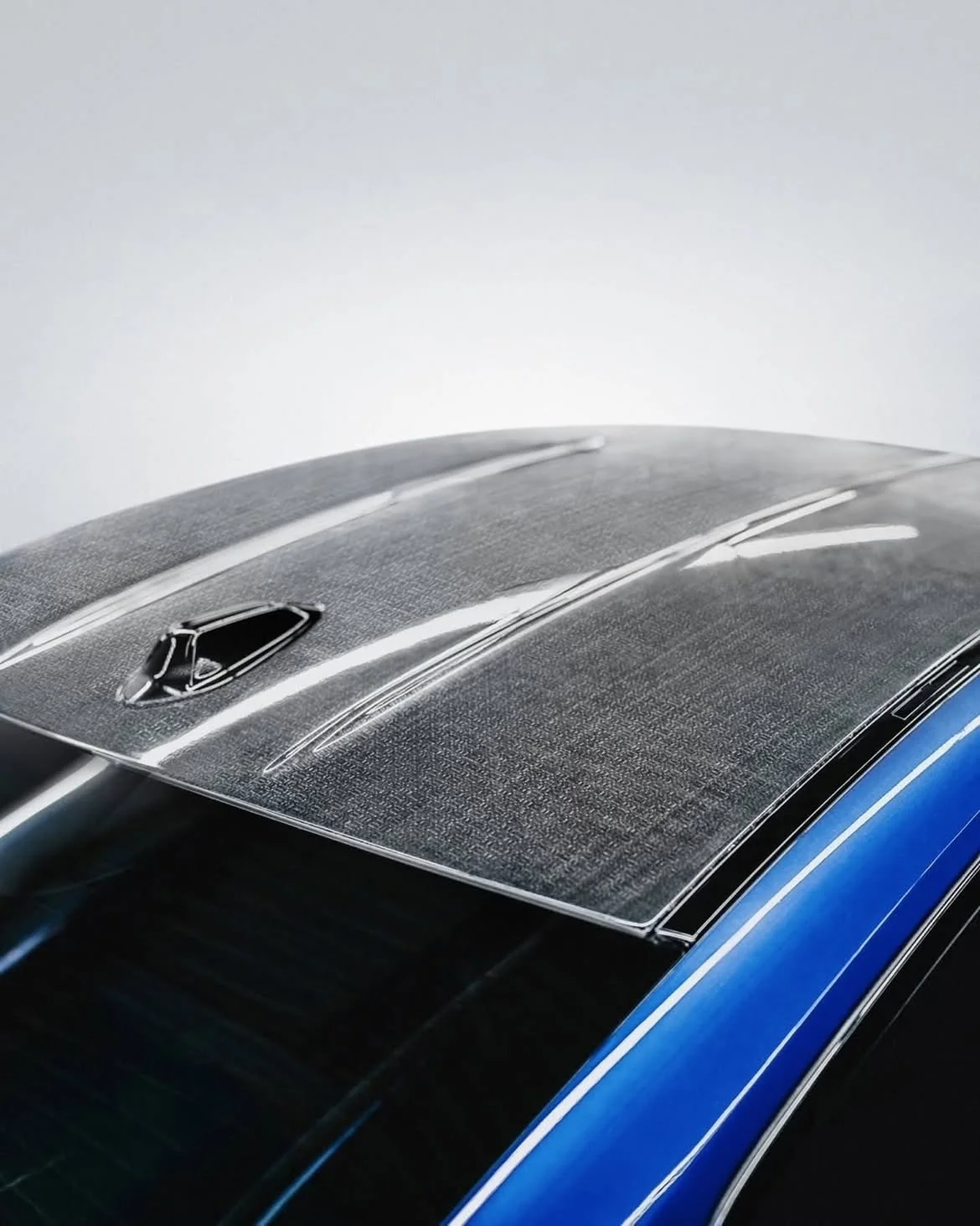
This is how the new material is made
Manufacturing flax fiber composites relies on turning natural crop stems into ultra-rigid, automotive-grade parts through four main steps.
Flax plants are harvested and the stems undergo ‘retting’ – which is a process that allows long fibers to be separated from the inner woody core.
In the second phase, the separated flax fibers are aligned and spun into yarns designed specifically for mechanical applications.
With the third phase, the yarns are woven into structural fabrics to match carbon fiber’s stiffness without added weight.
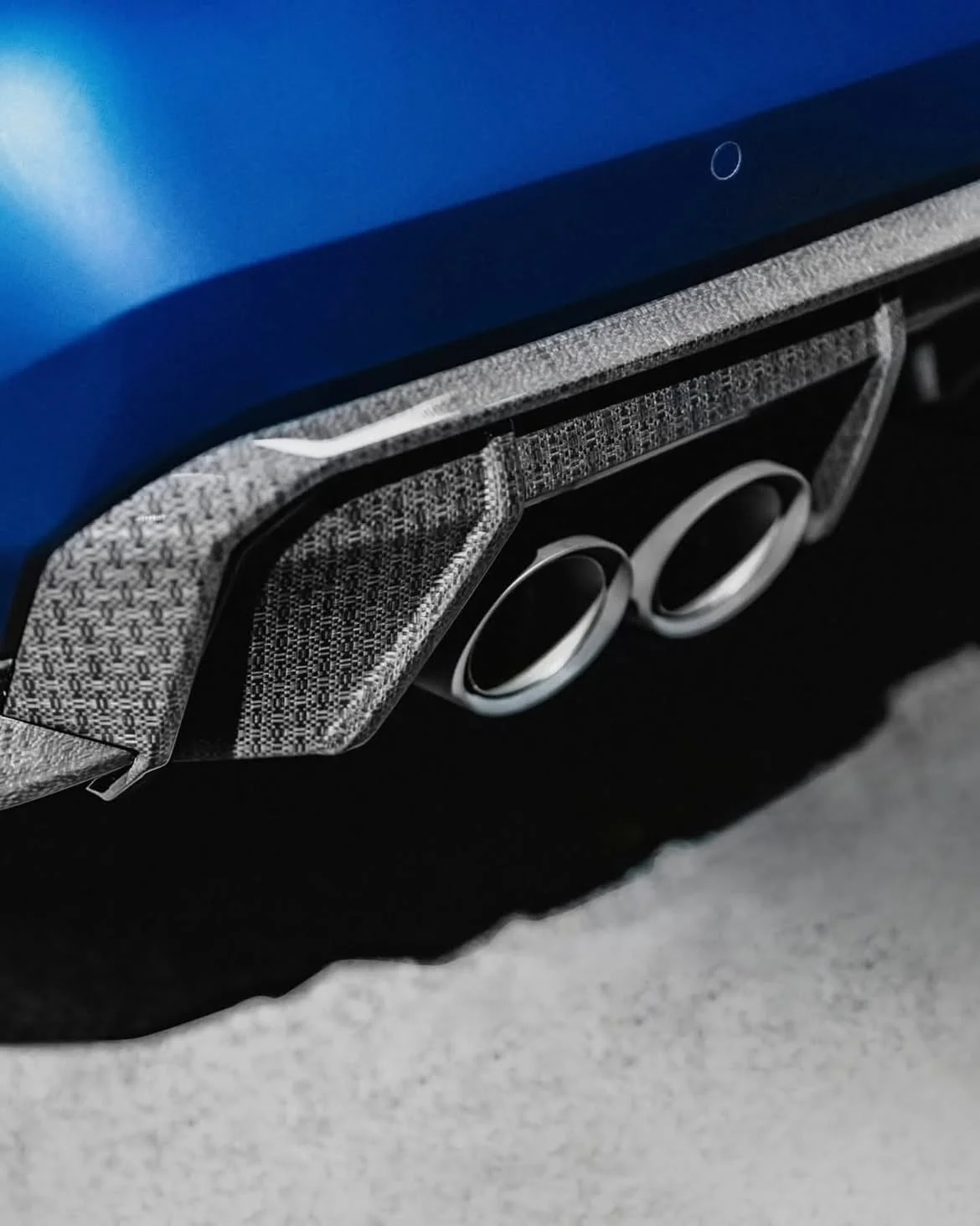
The fourth and final phase involves the use of bio-based (or standard) epoxy resin molded and infused into the fabric.
The result is a material that’s apparently just as stiff as carbon fiber, and just as lightweight.
But, interestingly, there’s a bonus safety advantage.
Carbon fiber shatters upon high-speed impact.
By contrast, flax composites bend, which theoretically makes it even safer.

