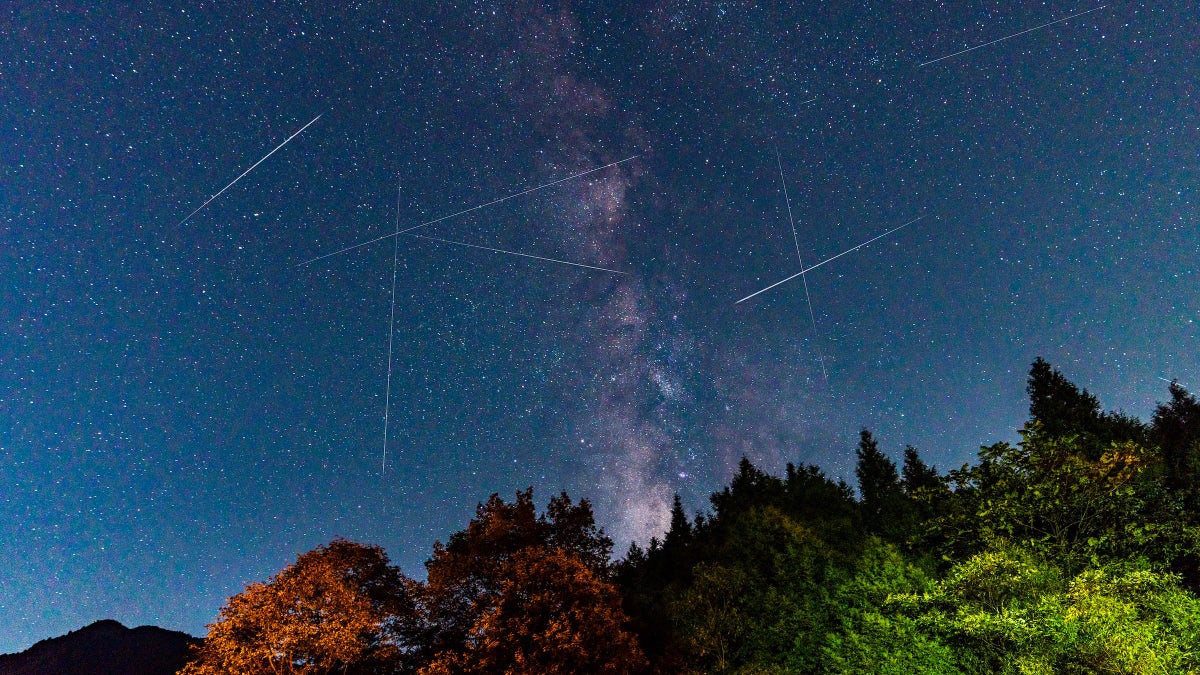
Энэхүү өдөр Персеидийн солирын бороо болон нарны хиртэлт давхцаж буй нь XXI зуунд тохиолдож буй ховор үзэгдэл юм.
Персеидийн солирын бороо наймдугаар сарын 12-ноос 13-нд шилжих шөнө оргил үедээ хүрэх бөгөөд шинэ сартай давхцаж байгаа нь ажиглалт хийхэд хамгийн таатай нөхцөлийг бүрдүүлж байна. Энэ үеэр цагт 100 орчим солир унах төлөвтэй байгаа бөгөөд тод өнгөтэй, урт мөртэй солирууд тэнгэрт харагдах болно. Ажиглалтыг орон нутгийн цагаар 23:00 цагаас хойш хийх нь зүйтэй бөгөөд гэрлийн бохирдолгүй, нээлттэй талбайг сонгох нь чухал юм.
Нарны хиртэлтийн хувьд Хойд Америкийн баруун хойд хэсэг болон Канадад хэсэгчилсэн байдлаар ажиглагдах боловч бүрэн хиртэлтийг Исланд, Гренланд болон Испанийн нутаг дэвсгэрээс харах боломжтой. Хойд Америкийн бүс нутагт нарны хиртэлт үдээс хойш 13:45 цагийн орчимд тохиох бөгөөд аюулгүй байдлыг хангах үүднээс зориулалтын хамгаалалтын шил ашиглахыг зөвлөж байна.
Одон орон сонирхогчид ажиглалт хийхдээ нүдний харааг хамгаалах зорилгоор улаан гэрэлтэй гар чийдэн ашиглах, удаан хугацаагаар тав тухтай байх үүднээс тусгай зориулалтын кемпинг сандал эсвэл хэвтэж ажиглах боломжтой тоног төхөөрөмж бэлтгэх нь зүйтэй. Дуран авай шаардлагагүй бөгөөд тэнгэрийн уудам хэсгийг бүхэлд нь харах нь хамгийн үр дүнтэй арга юм. Цаг агаарын нөхцөл байдлыг урьдчилан судалж, үүлэрхэг эсвэл утаагүй цэлмэг газрыг сонгосноор энэхүү байгалийн ховор үзэгдлийг бүрэн дүүрэн мэдрэх боломжтой.
Дэлгэрэнгүй эх сурвалжийг харах
Эх сурвалжийг нээх ↓
Prepare for serious sky confetti. In mid-August, the peak of the Perseid meteor shower—one of the year’s most prolific celestial happenings—will spark dozens to hundreds of soaring streaks per hour. The conditions couldn’t be better.
The 2026 Perseid meteor shower peaks during a new moon from August 12 to 13. It follows another buzzed-about celestial show: a total solar eclipse, when the moon slides between the earth and the sun.
This is the first time a total solar eclipse and the Perseid meteor shower peak have coincided in the 21st century. While the full eclipse view won’t be visible in North America, stargazers in the Northeast and Canada can enjoy a partial show. And stargazers across the northern hemisphere can watch the powerful Perseids.
Here’s how to partake in the busiest 24 hours of 2026 stargazing, no matter your coordinates.
Prepare for the Meteor Shower of the Year
Let’s start with the long-awaited showstopper for North American stargazers, the Perseids. It’s consistently one of the most powerful celestial events, even during suboptimal conditions like last year’s bright gibbous moon, which obscured many of the Perseids.
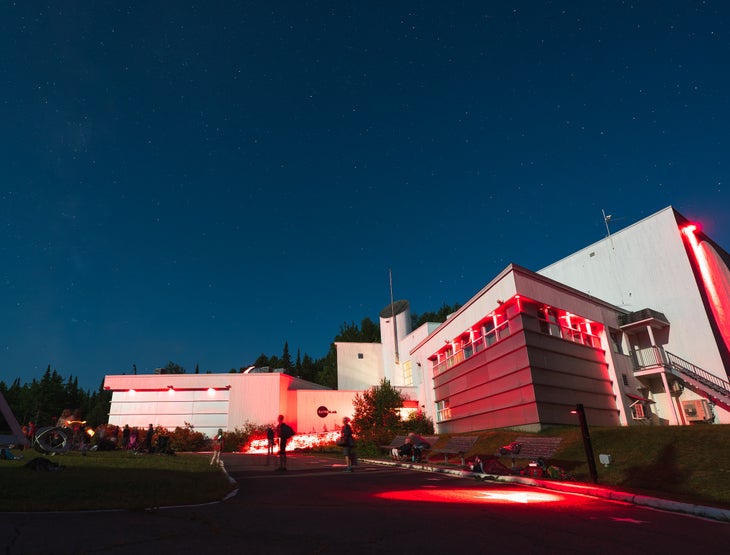
Case in point: I watched last year’s shower at AstroLab, an astronomy center in Quebec’s inky Mont Megantic region. The dark-sky haven, which draws hundreds of awe-seekers, asks visitors to cheer after any shooting star sighting. They counted over 150 throughout the night, and that’s despite the bright moon’s interference. Imagine how many we could see in 2026 when the new moon casts no glow.
During the Perseids peak, and under pristine conditions (think: new moon, clear skies, and no light pollution), you could see up to 100 or so shooting stars per hour, according to the Natural History Museum of London. Watch for speedy, luminous meteors with long trains that spark as they burn in Earth’s atmosphere.
The shower is especially known for its fireballs. The oversized meteors create exceptionally long sky stripes that can turn brighter than Jupiter, and even close to the magnitude of Venus, the most vivid object in the night sky after our moon.
When and How to Watch the 2026 Perseid Meteor Shower
The Perseids run from mid-July into late August. The best viewing occurs during the peak, when our planet travels through the densest debris trail from the shower’s origin comet, Swift-Tuttle. This year, that’s overnight from August 12 into 13. While you could catch some shooting stars in the nights leading up to or following, the bulk of activity hits this night, so make plans for August 12.
The action starts after roughly 11 P.M. local time and improves as the night goes on. Give your eyes at least 30 minutes to adjust to the dark when you reach your viewpoint.
Where to See the Perseid Peak This August
A dark sky far from light pollution is essential for Perseid meteor shower viewing. In past years, I’ve covered top spots to watch the show, from the best dark-sky parks around the U.S. to unbeatable stargazing accommodations for the Perseids.
You can also find a spot close to your own home. Start with a light pollution map (I use lightpollutionmap.info) to find a pristine spot, or look to DarkSky International’s map of over 200 certified destinations. Scout a getaway with open vistas; a hilltop, prairie, open field, or large lakefront works better than a dense forest. While the Perseids’ radiant point, the constellation Perseus, appears in the north-northeast sky, the bulk of shooting stars occur around 45 to 90 degrees in either direction of it. Keep watch for other nearby sky sights like Mars, Saturn, and Pleiades, too.
Weather will make or break your viewing. You want clear or at least partly clear skies free from not just clouds, but wildfire smoke. I use the weather-tracking platform Windy.com to monitor local sky conditions. It’s usually accurate about a day or two in advance, although the forecast can always change.
Do I Need Gear to See the Perseid Meteor Shower?
Watching meteor showers is all about simplicity. You don’t need close-up views with telescopes or binoculars. Instead, you want a wide view so you can take in as much of the night sky as possible. You never know where the meteors may soar.
Protecting your night vision is key, though. Once your eyes adjust to the dark, keep it that way by using a red-light headlamp or a flashlight wrapped in red cellophane. (The red hue is significantly easier on our eyes.) Minimize your light use while traveling to and from a viewpoint in case others are also watching.
Meteor-shower viewing is about the long game; expect many hours of gazing up. To partake without neck pain, I recommend an outdoor blanket or a set of reclining camp chairs like the Nemo Stargaze model. If you’re spending a full night beneath the shower, consider trying the see-through Skyview Tent—an abode built for stargazing, with clear mesh walls to watch the heavens without obstructions. (Here are several other stargazing essentials I swear by.)
How to Glimpse the Solar Eclipse from North America
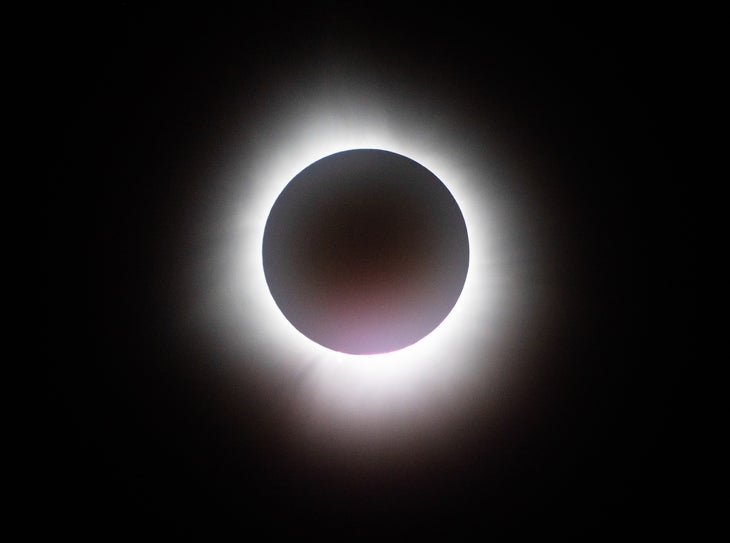
If you’re hoping to join August 12’s astronomical extravaganza with not just the Perseid meteor shower peak but the solar eclipse, your best bet is to head overseas to the tight path of totality across Iceland, Greenland, or Spain.
Of course, a last-minute flight to eclipse chaos comes with a hefty price tag, not to mention the chance that weather or worsening wildfires could interfere with the display. On top of that, totality only lasts around one to two minutes this year.
You can watch a bit of the solar eclipse without leaving North America, although you’ll have to be in the right position. And temper your expectations. This is a small partial eclipse, with the moon covering only a small bite of the sun. It’s nothing like what we saw in April 2024, and you will need your solar-eclipse glasses for safety.
This time around, the northeast U.S. and northern Canada have the most enviable views. In Canada, the further north, the larger the eclipse. Maine will see around 20 percent of the sun covered by the moon. It’s the best spot in the contiguous U.S. In central and northern Alaska, the moon will also cover around one-quarter or more of the sun.
Other states in the northeast and Midwest, from Vermont to North Dakota and even northern Montana, will enjoy a teeny-tiny glimpse. The show peaks in the afternoon, around 1:45 P.M. EDT, but look to Time and Date for local eclipse-viewing specifics. Time and Date is also a good spot to watch a livestream of the eclipse—a great option for those who can’t travel.
The post August 12 Will Be the Year’s Greatest Stargazing Day. Here’s Everything You Need to Know. appeared first on Outside Online.

