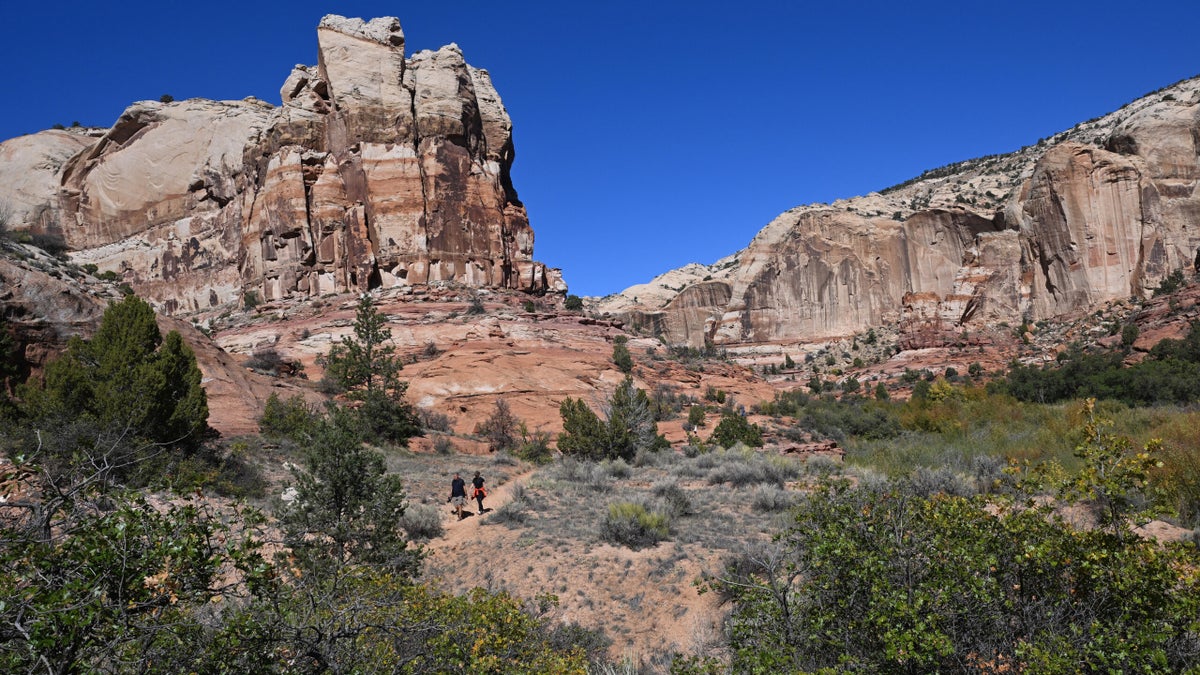
АНУ-ын ерөнхийлөгчийн долдугаар сарын 13-ны өдрийн захирамжаар Юта муж дахь “Bears Ears” болон “Grand Staircase-Escalante” үндэсний дурсгалт газруудын хамгаалалтын талбайг 91 хувиар бууруулж, нийт 3 сая орчим акр газрыг хамгаалалтаас гаргалаа. Энэхүү шийдвэрээр тус бүс нутгийг уул уурхай, газрын тос, байгалийн хийн олборлолт болон мал аж ахуйн зориулалтаар ашиглах боломжтой болж байна. Мөн АНУ-ын засгийн газар болон уугуул иргэдийн таван овог аймгийн хамтын удирдлагын гэрээ болох “Bears Ears Commission”-ийг татан буулгасан нь соёлын болон байгалийн өвийг хамгаалах үйл явцад томоохон цохилт болж байна.
Хамгаалалтын бүсээс хасагдсан газруудад Spooky Gulch, Peekaboo Gulch зэрэг алдартай явган аяллын маршрутууд, Paria гол, Toadstools геологийн тогтоц болон олон зуун мянган аялагчдын зорьдог байгалийн үзэсгэлэнт газрууд багтаж байгаа юм. Мэргэжилтнүүдийн үзэж буйгаар, эдгээр бүс нутаг нь зөвхөн аялал жуулчлалын төдийгүй палеонтологийн судалгаа, зэрлэг амьтдын нүүдлийн зам болон уугуул иргэдийн соёлын өвийг хадгалдаг нэгдмэл экосистем юм. Хамгаалалтыг сулруулснаар эдгээр газар нутаг хууль бус малтлага, эвдрэл болон хариуцлагагүй аялагчдын нөлөөнд өртөх эрсдэлтэй боллоо.
Орон нутгийн аялал жуулчлалын бизнес эрхлэгчид болон байгаль хамгаалагчид энэхүү шийдвэр нь тогтвортой өсөлт авчирдаг аялал жуулчлалын салбарт сөргөөр нөлөөлж, олон сая долларын орлогыг эрсдэлд оруулж байна гэж үзэж байна. Засгийн газраас энэхүү шийдвэрийг гаргахдаа олон нийтийн санал асуулга явуулаагүй бөгөөд уугуул иргэдтэй зөвшилцөөгүй нь нийгмийн зүгээс ихээхэн шүүмжлэл дагуулаад байна. Одоогийн байдлаар аялал жуулчлалын болон байгаль хамгааллын байгууллагууд энэ шийдвэрийг эсэргүүцэн нэгдэж, олон нийтийн эсэргүүцлийн ажиллагааг зохион байгуулж байна.
Дэлгэрэнгүй эх сурвалжийг харах
Эх сурвалжийг нээх ↓
It’s been a month since President Donald Trump decimated two of Utah’s biggest national monuments, Bears Ears and Grand Staircase-Escalante. The president’s executive order on July 13 removed nearly 3 million acres from their protected borders, shrinking both monuments by a combined 91 percent. It also dissolved the Bears Ears Commission, a collaborative management agreement between the U.S. government and five Indigenous tribes.
Since then, public lands advocates in Utah have begun fightingthe executive order by staging protests and public demonstrations. These groups have also sought to understand the damage that the move is likely to have on fragile ecosystems, archaeological sites, communities that rely on outdoor recreation dollars, and the tribes that helped co-manage the areas.
Outside recently hosted an online roundtable discussion with members of four public lands advocacy groups: Southern Utah Wilderness Alliance, Grand Staircase Escalante Partners, Bears Ears Inter-Tribal Coalition, and Save Our Parks. We discussed the potential impacts the order will have on Bears Ears and Grand Staircase-Escalante as well as the takeaways that outdoor recreationists, public land advocates, and Utah locals can learn from the ordeal.
Landmarks, Cultural Sites, and Recreation Areas Are Now At Risk
A fact sheet distributed by the White House stated that the 3 million acres no longer protected are “not relevant to such protected landmarks, structures, and objects” and wouldopen for “multiple-use, sustained-yield management.” In short, these areas are now open to exploration for mining, oil and gas, livestock grazing, and timber.
Advocates say the land that lost designation contains a long list of cultural and natural wonders that should be protected.
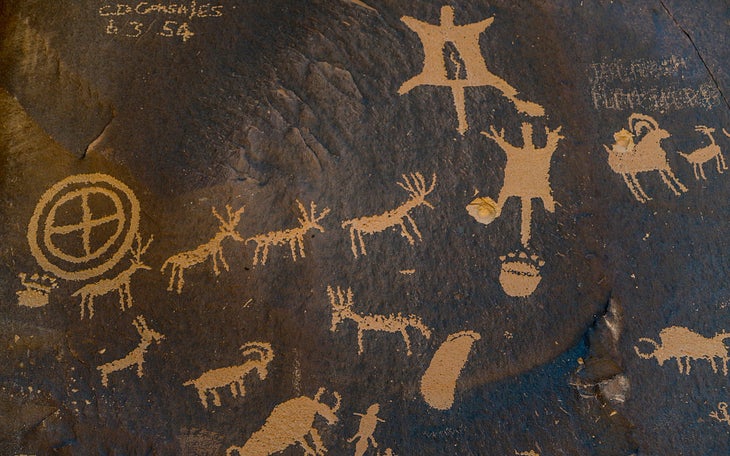
Steve Bloch, legal director, SUWA:For people who are familiar with this area, places like Spooky Gulch and Peekaboo Gulch along the Hole-in-the-Rock Road south of Escalante are now outside of the national monument borders. The Paria River and the Paria-Hackberry Wilderness Study Area are outside of it now, too. The Toadstools Formation, a unique geological feature east of Kanab, Utah, is no longer part of it. So many of the landmarks and landforms that people associate with the Grand Staircase are out. And on the Bears Ears side, it’s the same. Everything from White Canyon and Beef Basin to Grand Gulch—places that hundreds of thousands of Americans come to explore and appreciate, places that Americans think about when they picture Southern Utah’s red rocks—those places are all on the cutting room floor.
Davina Smith-Idjesa, co-chair of the Bears Ears Inter-Tribal Coalition: Bears Ears is not a collection of isolated archaeological sites. It is a living and interconnected cultural landscape. Our prayers, medicine, water, plants, wildlife, burial places, and histories are connected across the entire landscape. Reducing national monument protection from 91 percent of Bears Ears makes the entire land more vulnerable to mining, development, looting, vandalism, and irresponsible visitation. So, protecting a beautiful view while exposing everything in between is like saving a few pages while tearing out the rest of the book.
Jackie Grant, executive director, Grand Staircase Escalante Partners: The actual Grand Staircase, the geological feature, will no longer be protected, which doesn’t make a whole lot of sense. That geologic feature spans the range of nearly five ecological life zones.
We see incredible migration patterns for elk and mule deer through here, and they are important to the ecology of the recreation industry. Hunters and anglers come over to the Escalante area to see the canyons. Parts of that are still protected as part of the Escalante Canyons unit or the Canyons of the Escalante unit. We also see in Grand Staircase Escalante the fossils of the paleontological record. When we reduce the monument by 91 percent, we cut out huge areas that have not been explored yet by paleontologists and are really important to understanding the history of the Earth.
The New Strategy for Dismantling Public Lands: Keep the Public in the Dark
Advocates knew that the Trump Administration was likely to shrink or dismantle the two Utah national monuments. In 2017, the Trump Administration had slashed the protected acreage in both monuments by nearly 85 percent (it was reinstated by President Joe Biden in 2021). Still, the June 13 executive order caught public lands advocates by surprise because the process for shrinking the monument did not follow a traditional governmental procedure.
Bloch: Back in 2017, the administration first sent Interior Secretary Ryan Zinke to Utah to go on a tour of the state before shrinking Bears Ears and Grand Staircase-Escalante. Zinke’s tour galvanized public opposition to what was about to come. We raised our voices, and we held rallies, but the attacks on public lands still happened. But people were more prepared to organize against it. This time around, the administration learned a lesson. They did not have Interior Secretary Douglas Burgum come to Utah to listen to what locals had to say. They just made the move from Washington D.C.
Grant: There’s been an almost complete shutdown of the public comment period for people to voice their opinions on these public lands policies. The amount of time the public has to respond is now extremely short, if it is there at all. For the reduction of Bears Ears and Grand Staircase Escalante, there was no public comment period. So, there was nothing we could do up front to mobilize the public. We just had to sit there and watch this horrible thing happen.
A Slap in the Face to Indigenous Tribes
Bears Ears National Monument had represented a groundbreaking alliance between the U.S. federal government and Native American tribes. In 2015, five local tribes—Hopi, Navajo Nation, Ute Mountain Ute, Pueblo of Zuni, and Ute Indian Tribe—formed the Bears Ears Inter-Tribal Coalition. The following year, this group formally joined the U.S. government to form the Bears Ears Commission, an agreement to peacefully co-manage the monument.
The July 13 proclamation dissolved this agreement. Within a few weeks, officials removed tribal seals from Bears Ears signs.
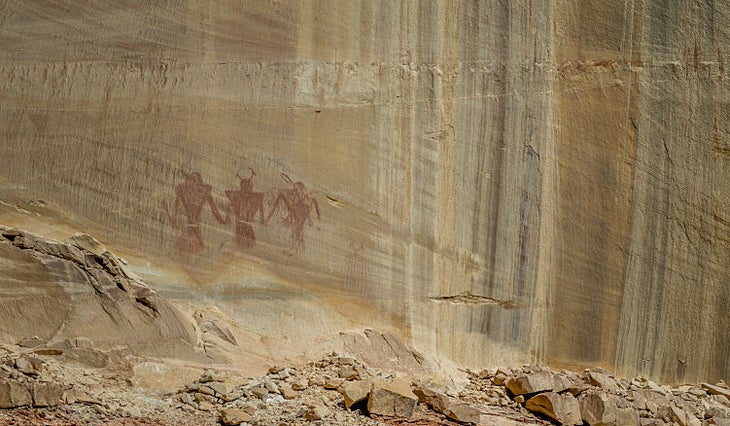
Smith-Idjesa: When the coalition got word that there was going to be an announcement on July 13, some of us tuned in. I was clenching my jaw. We saw how much Bears Ears would be reduced, and we also saw the termination of the Bears Ears Commission.
The BLM Director (Steve Pearce) had said there would be a consultation with us before any decisions were made. That did not happen. Instead, the decision excluded the five tribal nations from any meaningful government-to-government conversation.
The previous management plan we had agreed upon was so important for tribes because we were working alongside federal agencies like the BLM and U.S. Forest Service, and also working with the user groups. Tribes were tired of seeing vandalism, looting, and over-usage in the area. Part of the management process was hearing both sides of the table.
So we did that. We sat down at the table with rock climbers, and they heard our perspective. I am terrified of heights, but I went rock climbing with Tommy Caldwell. And I shared with them what recreation means for the tribes. We even sat down with the local ranchers and producers. It took years. But that is what meaningful collaboration looks like.
Working with the Bears Ears Coalition was historic. For the first time ever, tribes came together and shared our knowledge with others. This administration failed to show the tribal nations the same willingness to learn, listen, and engage meaningfully.
Officials Ignored Outdoor Recreation and Its Financial Impact
Prior to signing the executive order, President Trump told reporters that reducing the size of Bears Ears by 1.2 million acres would help outdoor recreation thrive in the monument. At its previous size, the presidentsaid, “You can’t go hunting, you can’t go fishing, you can’t do anything, you can virtually not even walk on it.”
On August 3, theNew York Times published a report showing that in June, Utah officials sent the administration a document outlining the current recreational opportunities in the monument. Specifically, two trails that are popular with hikers and off-road vehicle drivers.
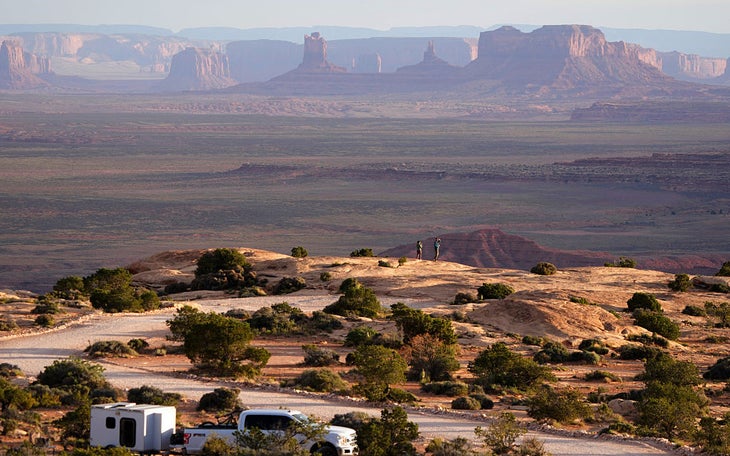
Bloch:It doesn’t get any clearer that the administration was lying to people. The fact that you had this congressional delegation from Utah, as well as the governor of the state of Utah, and the Speaker of the House for the Utah legislature, standing behind him nodding in agreement, when everyone on stage knew it wasn’t true. When you look at the State of Utah Travel Council webpage, they say, and I’m paraphrasing, “If you want to go ride your off-road vehicle, there’s 900 miles of roads and trails in Grand Staircase for you. It’s a great place to explore.” It also says, “If you want to hike, hunt, fish, sightsee, have a spiritual renewal, and look at cultural sights that are part of the landscape of the Tribal nations, those opportunities are all available in these monuments.”
Grant:The Intermountain West is known for ghost towns—communities that were associated with extractive industries that we now visit as tourists. When you look at the current economic activity generated by extraction industries like mining and timber, we still see boom and bust that are not sustainable to small rural towns.
But when we look at outdoor recreation as an economic generator for communities near national monuments, what we see is really nice and steady and dependable growth over time. Recreation and tourism provide stable sources of income.
Jayson O’Neill, Save Our Parks:These two monuments have led to the creation of established tourism businesses. Communities plan around them, and there are millions of dollars in tourism revenue that are at stake for these communities. The administration is basically telling these communities, “Look, what you’ve built your business on is not acceptable in this political environment. We’re going to change the rules without your ability to weigh in on the decision.”
It Damaged the Trust with Tribes
The Bears Ears Commission was the product of multiple years of organizational work between the five Indigenous Tribes that make up the Bears Ears Inter-Tribal Coalition, and the U.S. government. Smith-Idjesa believes tribes may be hesitant to work on future projects with the federal government after the sudden termination of the Bears Ears Commission.
Smith-Idjesa:Terminating the Bears Ears Commission damages trust far beyond Bears Ears. The tribal nations here invested years of work on getting this plan together. I remember sitting in meetings with agencies, and then going out into these landscapes with members of other Tribes to learn about their significance to their people. I’ll never forget that, and I was honored to be there, and to feel like I was trusted by non-Natives.
This latest decision will definitely create future hesitancy. Building our trust will take some time again.
I want to be clear, however. Terminating the Bears Ears Commission does not dismantle the Bears Ears Inter-Tribal Coalition. And it does not erase our sovereignty, or our knowledge, or our responsibility to protect these landscapes. The Commission is a federal structure that can be terminated on paper. But our relationship with Bears Ears and Grand Staircase-Escalantethat is something that will never be erased. The Tribes have been here since time immemorial.
The Attacks on Public Lands Have United Recreation Groups
On August 5, the Center for Western Priorities, a nonprofit that works to preserve public lands, published the data from a poll of voters across the Mountain West. The polling suggested that 86 percent of registered voters across all political parties said that issues involving public lands, wildlife, and water would motivate them to vote for a public official. The same poll found that 75 percent favor protecting public lands, rather than maximizing them for oil, gas drilling, and mining.
Our panelists agreed this polling data is reflected in the public outcry they’ve witnessed after the shrinking of the two monuments.
Grant:At Grand Staircase-Escalante Partners, the attacks got us to pair up with a group that we never thought we’d be involved with. They’re called Sons of Smokey, and they drive out into the backcountry in $500 cars and hold rallies on public lands, but during those rallies it’s not about how fast you can drive, but how much trash you can pick up. Over the last ten years they’ve picked up 5.5 million pounds of garbage from public lands.
O’Neill:Right now it feels like there’s more unification about protecting public lands than at any any point in my 20-year career working in public lands. A lot of groups, be it hikers or off-road vehicle users, or hunters and anglers, are saying “This is not how we go about doing it” after Bears Ears and Grand Staircase. I think the administration wants to convince us that there isn’t agreement between groups like hunters and recreational groups, but that’s not the case.
Bloch:Preserving public lands unites so many different types of people. We saw that last year when Republican Senator Mike Lee of Utah tried to lead the public lands sell-off, and Americans from across the political spectrum stood up and said no. This time, it’s going to take people sticking together and not being teased apart int our little silos, to oppose these types of attacks.
The post 6 Takeaways From the Slashing of Bears Ears and Grand Staircase-Escalante appeared first on Outside Online.

