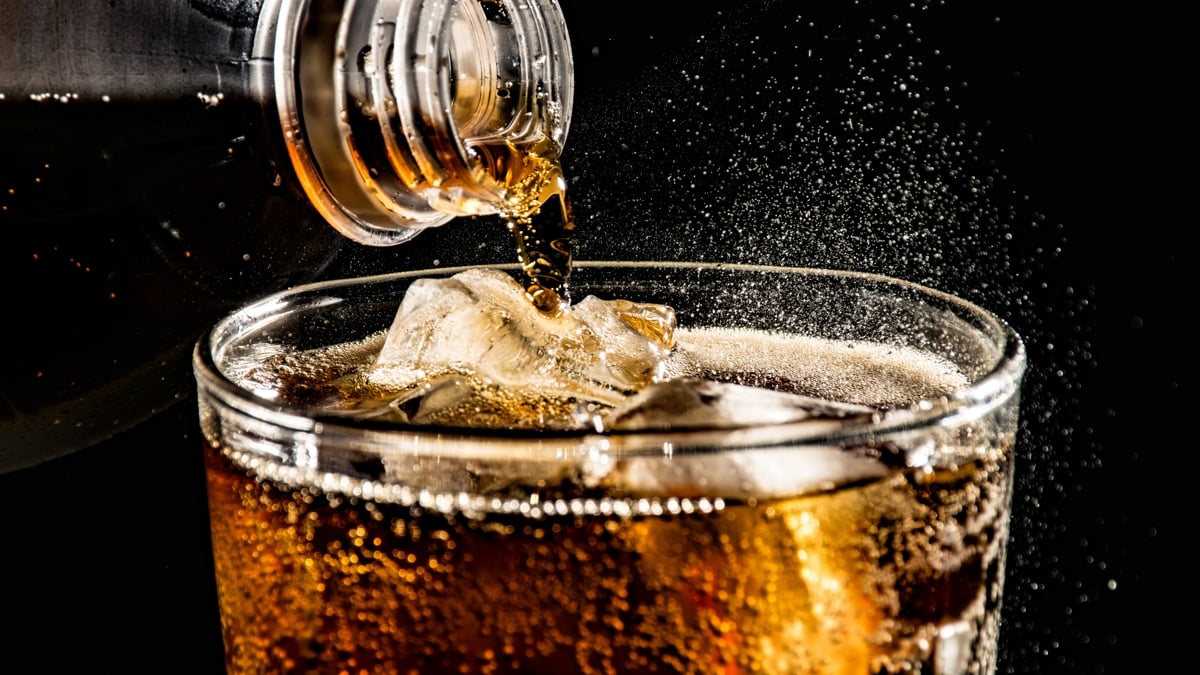
Өдөр тутамд чихэр нэмсэн ундаа хэрэглэх нь ходоодны хорт хавдар үүсэх эрсдэлийг 2.45 дахин нэмэгдүүлдэг болохыг Gastro Hep Advances сэтгүүлд нийтэлсэн судалгаа харуулжээ.
Massachusetts General Hospital-ийн гастроэнтерологич Эндрю Т. Чан болон түүний баг 1986-2022 оны хооронд явуулсан хоёр томоохон судалгааны хүрээнд 112,000 гаруй хүний мэдээлэлд дүн шинжилгээ хийсэн байна. Оролцогчдын хооллолт, амьдралын хэв маяг, эрүүл мэндийн түүхэнд хийсэн ажиглалтаар өдөрт дор хаяж 237 мл чихэрлэг ундаа хэрэглэдэг хүмүүсийн дунд ходоодны хорт хавдрын тохиолдол илүү өндөр байгааг тогтоожээ. Энэхүү эрсдэл нь эмэгтэйчүүдийн дунд гурав дахин, эрэгтэйчүүдийн дунд хоёр дахин нэмэгдсэн байна.
Судлаачдын тэмдэглэснээр, чихэрлэг ундаа нь жин нэмэх, инсулины эсэргүүцэл, дааврын тэнцвэргүй байдал, үрэвсэл болон ДНХ-ийн гэмтэл зэрэг хорт хавдар үүсгэхэд нөлөөлж болох механизмыг өдөөж болзошгүй юм. Харин хиймэл амт оруулагчтай ундааны хувьд ходоодны хорт хавдартай холбоотой хамаарал ажиглагдаагүй байна.
Гэсэн хэдий ч энэхүү судалгаа нь ажиглалтын шинж чанартай тул шууд шалтгаант холбоог бүрэн нотлох боломжгүй юм. Мөн оролцогчдын ходоодны хавдар үүсгэх эрсдэлт хүчин зүйл болох Helicobacter pylori халдвар болон гэр бүлийн түүхийн талаарх мэдээлэл хязгаарлагдмал байсныг судлаачид онцолжээ. Иймд эдгээр дүгнэлтийг баталгаажуулах болон биологийн нарийн механизмыг судлах нэмэлт судалгаа шаардлагатай байна.
Дэлгэрэнгүйг эх сурвалжаас харах
↓Эх сурвалжийг нээх ↓
We know that sugary drinks aren’t good for us, but that doesn’t seem to stop most people drinking them – and on a daily basis.
Evidence suggests about two-thirds of American adults consume at least one sugar-sweetened beverage each day, and most children in the US do the same.
That daily habit may significantly raise cancer risks, new research suggests.
In an analysis published in Gastro Hep Advances, researchers found people who consumed at least one sugar-sweetened beverage a day were about 2.45 times more likely to develop cancer in the stomach, when compared against people who never drank sugary drinks.
“This is the first study to demonstrate an association between sugar-sweetened beverage intake and gastric cancer in a US population,” says senior author and gastroenterologist Andrew T. Chan from Massachusetts General Hospital.
“Gastric cancer is the fifth leading cause of cancer death worldwide, but we’ve known very little about how diet might contribute to this cancer.”
While the links between gastric cancer and sugary drinks haven’t been definitive up until now, the negative health impacts of sugar-sweetened beverages are not in doubt.
Evidence links sugary beverages to over 180,000 deaths annually worldwide, heightened type 2 diabetes risk, obesity, and much more.
They’ve also previously been linked to cancer – including breast cancer, liver cancer, and colorectal cancer, among other forms of the disease.
Scientists had previously investigated whether sugar-sweetened beverages were linked with gastric cancer, but results had been inconclusive, possibly due to limited data.
To cast a wider net, Chan’s team pulled in information from two large studies – the Nurses’ Health Study and Health Professionals Follow-Up Study – assessing over 112,000 participants in total.
In the studies, participants filled out questionnaires every two years, reporting their dietary intake (including information on sugar-sweetened beverages, such as carbonated beverages, punch, lemonade, and sports drinks), along with information on lifestyle factors, medical history, and disease outcomes.
Between the years 1986 and 2022, among the 112,284 people involved in the studies, there were 278 documented cases of gastric cancer.
Overall, people who consumed at least one sugar-sweetened beverage a day (defined as a serving of 8 ounces, or 237 ml) were more than twice as likely (2.45 times as likely) to develop gastric cancer compared with people who didn’t drink sugary drinks, after potential confounding risk factors had been accounted for.
The risk was elevated among both men and women. Women consuming at least one sugary drink a day had a roughly three-fold risk of developing gastric cancer, whereas men had roughly twice the risk, both compared with people not drinking sugar-sweetened beverages.

Despite much concern about the health effects of artificial sweeteners on our bodies – and some high-profile suggestions they could be carcinogenic – the researchers here did not identify any association between artificially sweetened beverages and gastric cancer incidence.
Of course, this kind of observational study can only show correlations in the data, and doesn’t demonstrate any kind of causative effect.
In other words, we can’t conclude that it was the consumption of sugar-sweetened beverages that directly led to these people developing gastric cancer, as other factors may have contributed to the disease.
Other limitations of the study are that the researchers had limited information on Helicobacter pylori infection – a type of bacteria that infects the stomach, and a known risk factor in gastric cancer – and did not have full records on some of the participants’ full health and family histories with regard to gastric cancer.
Related: Scientists Quantified The Harm of Sugary Drinks, And It’s Devastating
As for how sugary drinks might potentially bring about gastric cancer in the body, that was beyond the scope of this study, but the researchers say it’s something we should be looking into.
“Several underlying mechanisms have been proposed, including weight gain, insulin resistance, steroid hormone imbalance, inflammation, DNA damage, and dysbiosis,” the study authors explain.
“However, the precise mechanism of carcinogenic effects of sugar-sweetened beverages has yet to be investigated. Future studies are warranted to confirm these findings as well as to investigate the potential biological mechanisms involved.”
The findings are reported in Gastro Hep Advances.
This article was fact-checked by Fiona MacDonald and edited by Fiona MacDonald. While we pride ourselves on our process, we are only human. If you spot a mistake, please let us know.

