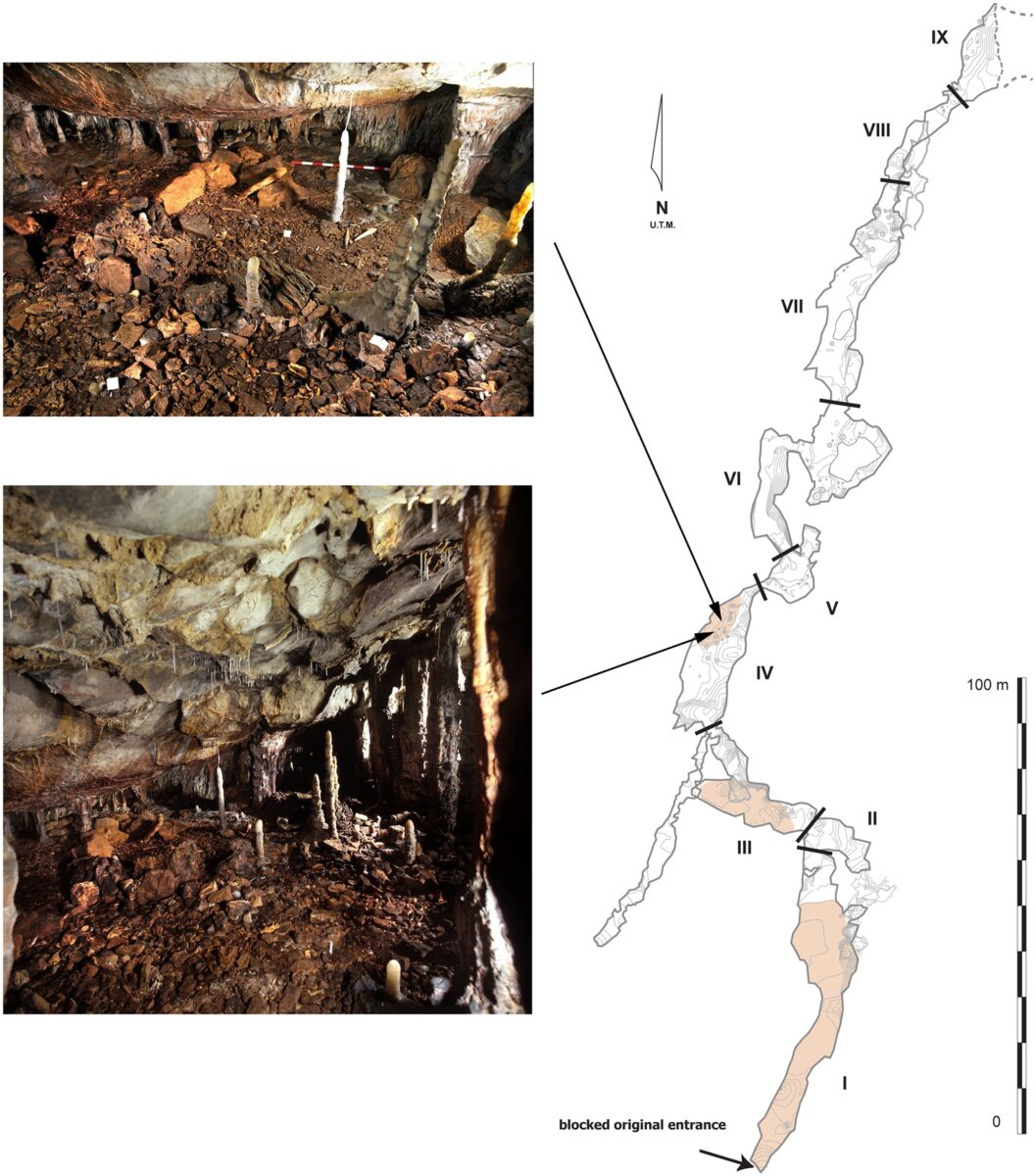
Хөрсний гулсалтын улмаас агуйн үүд хаагдсанаар палеолитын үеийн хүний амьдрах орчин тэр чигээрээ өнөөг хүртэл хадгалагдан үлджээ.
Испанийн хойд хэсэгт орших Ла Гарма агуйд хийсэн малтлагаар 17,000 жилийн өмнөх чулуун зэвсгийн үеийн хүний амьдралыг тод томруун харуулсан олдворууд илэрлээ. Агуйн гол танхим хөрсний гулсалтын улмаас бүрэн хаагдсан нь тухайн үеийн эд зүйлс, гал голомт болон аж ахуйн үлдэгдлийг хөндөгдөөгүй байдлаар хадгалахад нөлөөлжээ. 1995 онд анх нээгдсэн энэхүү газрыг археологичид дэлхийн хамгийн сайн хадгалагдан үлдсэн палеолитын үеийн суурингуудын нэг гэж үзэж байна.
Судлаачид тус газраас нийт 4,614 олдвор илрүүлсэн нь тухайн үеийн хүмүүсийн өдөр тутмын амьдралын нарийн ширийн зүйлийг танин мэдэх боломж олгож байна. Олдворуудын дунд чулуу, яс, эврээр хийсэн багаж хэрэгсэл, ан агнуурын зэвсэг, арьс шир боловсруулах хэрэгслүүд багтжээ. Мөн соёлын болон гоёл чимэглэлийн эд зүйлс, тэр дундаа бухын ясан дээр сийлсэн хүний нүүр болон бухын дүрс бүхий ховор олдвор олдсон нь палеолитын үеийн хүн төрөлхтний урлаг, өөрийгөө илэрхийлэх чадварыг харуулсан чухал баримт болж байна.
University of Cantabria-гийн судлаачдын PLOS ONE сэтгүүлд нийтэлсэн өөр нэгэн судалгаагаар агуйгаас 14,000 жилийн өмнө устаж үгүй болсон агуйн арслангийн яс олдсон байна. Ясан дээрх ул мөр нь эртний хүмүүс энэхүү махчин амьтдыг ангуучилж, арьсыг нь хүйтэн уур амьсгалд ашигладаг байсныг гэрчилж байгаа юм. Энэхүү олдвор нь агуйн арслангийн мөхөлд хүн төрөлхтний ан агнуурын үйл ажиллагаа тодорхой хэмжээгээр нөлөөлсөн байж болзошгүй гэсэн таамаглалыг дэвшүүлэхэд хүргэж байна.
Дэлгэрэнгүйг эх сурвалжаас харах
↓Эх сурвалжийг нээх ↓
A landslide that blocked the entrance to a cave in northern Spain nearly 17,000 years ago has left behind one of the most remarkably preserved Paleolithic dwellings ever found. Inside, tools, ornaments, and even a hearth remain scattered across the floor almost exactly as they were left. Archaeologists have called it one of the best-conserved Ice Age living spaces in the world.
The site, known as La Garma, sits close to the coast of Cantabria and was first discovered in 1995. It was occupied by humans across much of the Upper Paleolithic and holds one of the richest collections of rock art anywhere in Europe, spanning a period from the Old Stone Age up until the cave’s abandonment.
What makes La Garma unusual is not just its age, but the accident of geology that sealed it off. Around 17,000 years ago, during the Magdalenian period, a rockfall closed off the main chamber entirely, trapping its contents in place. While that part of the cave sat undisturbed for millennia, the surrounding caverns tell a very different story, one of nearly continuous human activity long after the original dwelling had vanished from view.
A Dwelling Frozen in Time
The centerpiece of the discovery is a small oval living space, measuring roughly 5 square meters, marked out by a ring of stone blocks and stalagmites. According to the University of Cantabria, these features anchored a structure built from sticks and hides, propped against a natural ledge in the cave wall. At the center of this shelter sits a hearth, surrounded by the debris of daily Paleolithic life, a scene left undisturbed since the moment the cave’s inhabitants departed.
Researchers have so far recovered 4,614 items from the site, offering an unusually detailed picture of how its occupants lived. These include tools used for producing stone, antler, and bone implements, as well as instruments for butchering animals and preparing hides. Among the finds are spears, needles, and what has been described as a “proto-harpoon.”
Alongside these practical objects, the cave also yielded artistic and personal items, including pendants made from deer, horse, and bison bone. One find stands out in particular: an aurochs bone engraved with both an aurochs and a human face. Researchers say this is the only artifact of its kind ever recovered from Paleolithic Europe, making it a singular piece of evidence for how Ice Age humans represented themselves alongside the animals they hunted.
Traces of a Vanished Predator
A separate study of La Garma by the University of Cantabria uncovered bones belonging to Eurasian cave lions, a species that went extinct around 14,000 years ago. As the study, published in PLOS ONE, explained, the bones bore scratches and other signs of modification by the humans who once lived in the cave, suggesting that the animals had been hunted, likely for their fur, which would have been valuable in the cold conditions of the Ice Age.

“Moreover, the specimens also represent the southernmost European and the latest evidence of cave lion exploitation in Iberia. Therefore, the study seeks to provide alternative explanations for lion extinction in Eurasia and argues for a role of hunting as a factor to take into account,” the researchers wrote.
That finding hints that early humans might have played a part in wiping out the cave lion, though probably not the only reason it disappeared. Nobody’s saying hunting alone did it, but researchers think it’s one more piece of the puzzle worth factoring in when trying to figure out why the species vanished across Eurasia.
Enjoyed this article? Subscribe to our free newsletter for engaging stories, exclusive content, and the latest news.


