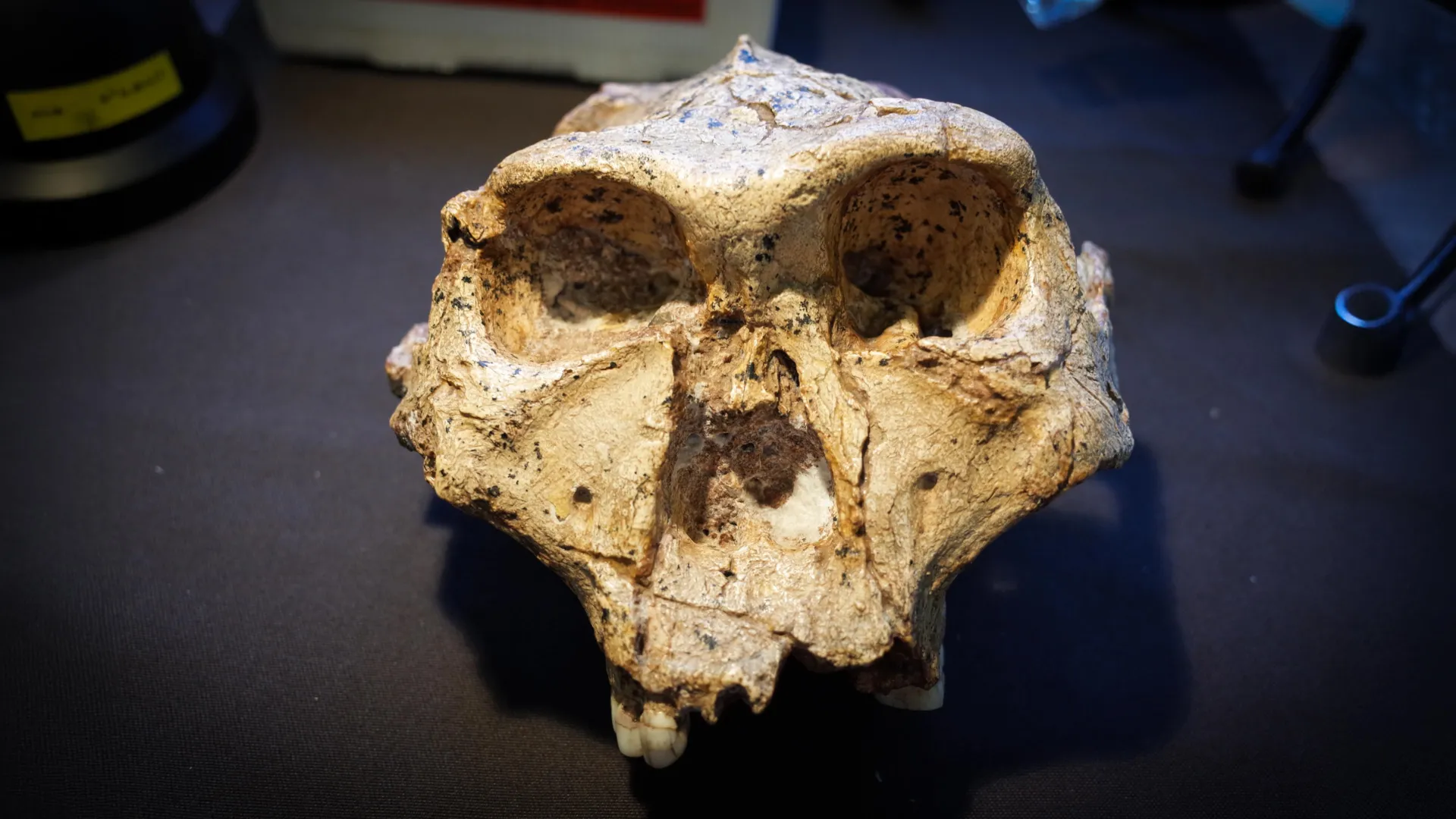
Монашийн их сургуулийн судлаачид сүүлийн үеийн олдворуудад үндэслэн хүний өвөг дээдсийг ангилах уламжлалт аргачлалыг өөрчлөх шаардлагатай гэж үзжээ.
American Journal of Biological Anthropology сэтгүүлд нийтлэгдсэн судалгаагаар, сүүлийн 4-5 сая жилийн хугацаанд амьдарч байсан хүн төрөлхтний бүх зүйл болон тэдэнтэй холбоотой чулуужсан олдворуудыг Homo төрөлд нэгтгэн ангилахыг санал болгов. Судлаачдын үзэж буйгаар, өмнө нь хүн болон түүний ойрын төрөл төрөгсдийг ялгахад ашигладаг байсан анатоми болон зан төлөвийн шинж чанарууд нь шинэ олдворуудын нөлөөгөөр тодорхойгүй болж, хувьслын шугаман бус, нарийн төвөгтэй түүхийг харуулж байна.
Монашийн Биоанагаах ухааны нээлтийн хүрээлэнгийн эрдэм шинжилгээний ажилтан, доктор Иан Тоули өнөөгийн ангиллын систем нь хувьслын үйл явцыг бүрэн дүүрэн илэрхийлэхээ больсныг онцолжээ. Уламжлалт ангилалд Homo төрлийн гишүүдийг тархины хэмжээ, багаж хэрэгслийн ашиглалт зэрэг шинжээр нь ялгадаг байсан ч, зарим Homo төрөл нь жижиг тархитай байсан бол Paranthropus болон Australopithecus төрлийнхөн ч нарийн төвөгтэй зан үйл үзүүлдэг байсан нь тогтоогдсон байна.
Эдгээр бүлгүүд нь хувьслын тусдаа салбар гэхээсээ илүүтэй хоорондоо нягт холбоотой болохыг судалгаа харуулж байна. Иймд Homo төрлийг өргөжүүлэн бусад бүлгийг багтаах нь шинэ олдвор бүрт ангиллаа байнга өөрчлөх шаардлагагүй, илүү тогтвортой бөгөөд үнэн зөв дүр зургийг гаргах боломж олгоно гэж доктор Тоули үзэж байна.
Дэлгэрэнгүйг эх сурвалжаас харах
↓Эх сурвалжийг нээх ↓
New research from Monash University suggests that recent discoveries about human evolution are challenging the traditional system scientists use to name and classify our ancestors.
The research, published in the American Journal of Biological Anthropology, calls for a major reconsideration of human taxonomy. It proposes placing all human species and closely related fossil relatives from the past 4-5 million years within the genus Homo.
Human evolution is often depicted as a relatively simple sequence of distinct species, beginning with ape-like ancestors, continuing through Australopithecus and early members of Homo, and eventually leading to Homo Sapiens living today.
However, the fossil record reveals a much more complicated evolutionary history. As new fossils are discovered, many of the features once used to clearly separate humans from their close relatives have become increasingly difficult to define.
New Discoveries Blur Human Evolutionary Boundaries
Lead researcher Dr. Ian Towle, a Research Fellow at the Monash Biomedicine Discovery Institute, said recent findings are making the existing classification system less useful and less accurate. That includes the way scientists categorize species within Homo as well as Australopithecus and Paranthropus, all of which lived during the past 5 million years.
“Recent fossil discoveries and advances in evolutionary and genetic analysis make this an ideal time to reconsider whether our traditional taxonomy still accurately reflects human evolution,” Dr. Towle said.
“These groups do not necessarily represent distinct evolutionary branches, or ‘clades’, and differences in behavior and ecology once used to distinguish them have also become increasingly difficult to maintain.
“I propose expanding Homo to include these other groups to provide a more accurate and stable way to represent the complex evolutionary relationships revealed by the growing fossil record.”
How Scientists Classify Evolutionary Relationships
Over the past 50 years, advances in the understanding of evolution have significantly changed the way scientists organize and classify life.
Modern taxonomy, the science of naming and classifying organisms, increasingly attempts to reflect actual evolutionary relationships by grouping species according to shared ancestry.
Human evolution, however, has been slower to adopt this approach.
In recent decades, scientists have increasingly sought to classify organisms according to genuine evolutionary groups, or clades, that contain a common ancestor and all of its descendants.
Traditionally, members of the Homo genus have been identified using traits such as large brains, advanced tool use, and certain anatomical and behavioral characteristics.
Those distinctions have become less clear. Scientists now know that some members of Homo had very small brains, while evidence suggests that Paranthropus and Australopithecus were also capable of complex behaviors.
A Proposal to Expand the Genus Homo
Dr. Towle argues that moving Australopithecus and Paranthropus species into Homo could create a more consistent picture of human evolutionary history. It could also reduce the need to repeatedly redefine groups as new fossils are uncovered and scientists gain a better understanding of our ancestors.
“The more we learn about our ancestors and close fossil relatives, the more we realize how complex and non-linear our family tree is,” Dr. Towle said.
“Expanding the Homo genus to also include species of Australopithecus and Paranthropus will allow us to account for differences without regularly reclassifying particular groups.”

