ОХУ-ын эрх баригчид Украйны талд үзүүлж буй тусламжийн хариуд Их Британи болон НАТО-гийн орнуудыг удаа дараа сүрдүүлж байгаа ч бодит цэргийн ажиллагаа явуулах чадваргүй байгааг шинжээчид онцоллоо.
Кремль Украйнд нийлүүлж буй Британийн нисгэгчгүй онгоцууд ОХУ-ын гүн рүү цохилт өгч байгаатай холбогдуулан “Илүү өндөр үнэ төлнө” хэмээн сүрдүүлсэн. Шинэ Евразийн Стратегийн Төвийн (NEST) гадаад бодлогын асуудал хариуцсан дэд тэргүүн Катя Глодын үзэж буйгаар, ОХУ-ын энэхүү түрэмгий байр суурь нь бодит цэргийн мөргөлдөөнийг эхлүүлэхээс илүүтэй олон улсын анхаарлыг татах, сүрдүүлэх зорилготой байна. Түүхээс харахад ОХУ 2006 оны Александр Литвиненкогийн хэрэг, 2018 оны Солсберийн хордуулалт, 2024 оны агуулахын галдан шатаах зэрэг үйл явдлуудад Их Британийг өөрийн зорилгодоо хүрэх талбар болгон ашиглаж ирсэн.
ОХУ нь НАТО-гийн гишүүн орнууд руу шууд халдлага үйлдэх нь эвслийн хамтын ажиллагааны гэрээгээр хариу цохилт авах эрсдэлтэй гэдгийг сайтар ухамсарлаж байна. Тиймээс Москва кибер халдлага, дипломат ажилтнуудыг дарамтлах, Британийн нутаг дэвсгэрт төлөөний этгээд ашиглах зэрэг “эрлийз дайн”-ы арга хэрэгслийг үргэлжлүүлэн ашиглах төлөвтэй байна. ОХУ-ын хувьд Украйныг дэмжигч орнуудад сэрэмжлүүлэг өгөх, нөгөө талаас НАТО-той шууд мөргөлдөхөөс зайлсхийх гэсэн зөрчилтэй зорилтууд нь тэднийг тодорхой хязгаарлалтад оруулж байгаа юм.
ОХУ-ын зүгээс цөмийн зэвсэг болон бусад хүч хэрэглэх талаарх сүрдүүлэг нь бодит үйлдэл дагалддаггүй тул олон улсын тавцан дахь итгэл үнэмшлээ алдаж байна. Хэдийгээр ОХУ Беларусь дахь пуужингийн системээрээ Их Британид цохилт өгөх чадамжтай ч, Их Британид Patriot зенит пуужингийн систем дутагдалтай байгаа нь агаарын хамгаалалтын асуудал үүсгэж буйг шинжээчид тэмдэглэв. Гэсэн хэдий ч ОХУ НАТО-гийн хамтын хариу арга хэмжээнээс эмээж байгаа тул Их Британи руу чиглэсэн шууд пуужингийн халдлага үйлдэх магадлал тун бага хэвээр байна.
Дэлгэрэнгүйг эх сурвалжаас харах
↓Эх сурвалжийг нээх ↓
The Kremlin has often issued threats that Britain will “pay a higher price” for its role in Ukraine — as it did again this week following reports of British-made drones striking deep inside Russian territory — But Moscow’s sabre-rattling is rarely meant for Britain alone.
Here, Katia Glod, deputy head of foreign policy at the New Eurasia Strategies Centre (NEST) think tank, speaks to The Independent to break down the intended purpose of Vladimir Putin’s aggressive posturing.
History of UK-Russia tensions
“Putin’s threats should be taken seriously — but not toward the possibility of a real, kinetic move against Britain” in terms of war, says Glod.
Glod emphasises that such threats are not new for the UK, where for decades, Moscow has used Britain as a staging ground for actions meant for global attention. Events that can denied as being Kremlin-directed, as Russia repeatedly does.
Incidents like the 2006 assassination of former FSB officer Alexander Litvinenko via radioactive polonium-210, and the notorious Novichok poisoning of Sergei Skripal in Salisbury should be seen in that context, although they are extreme examples.
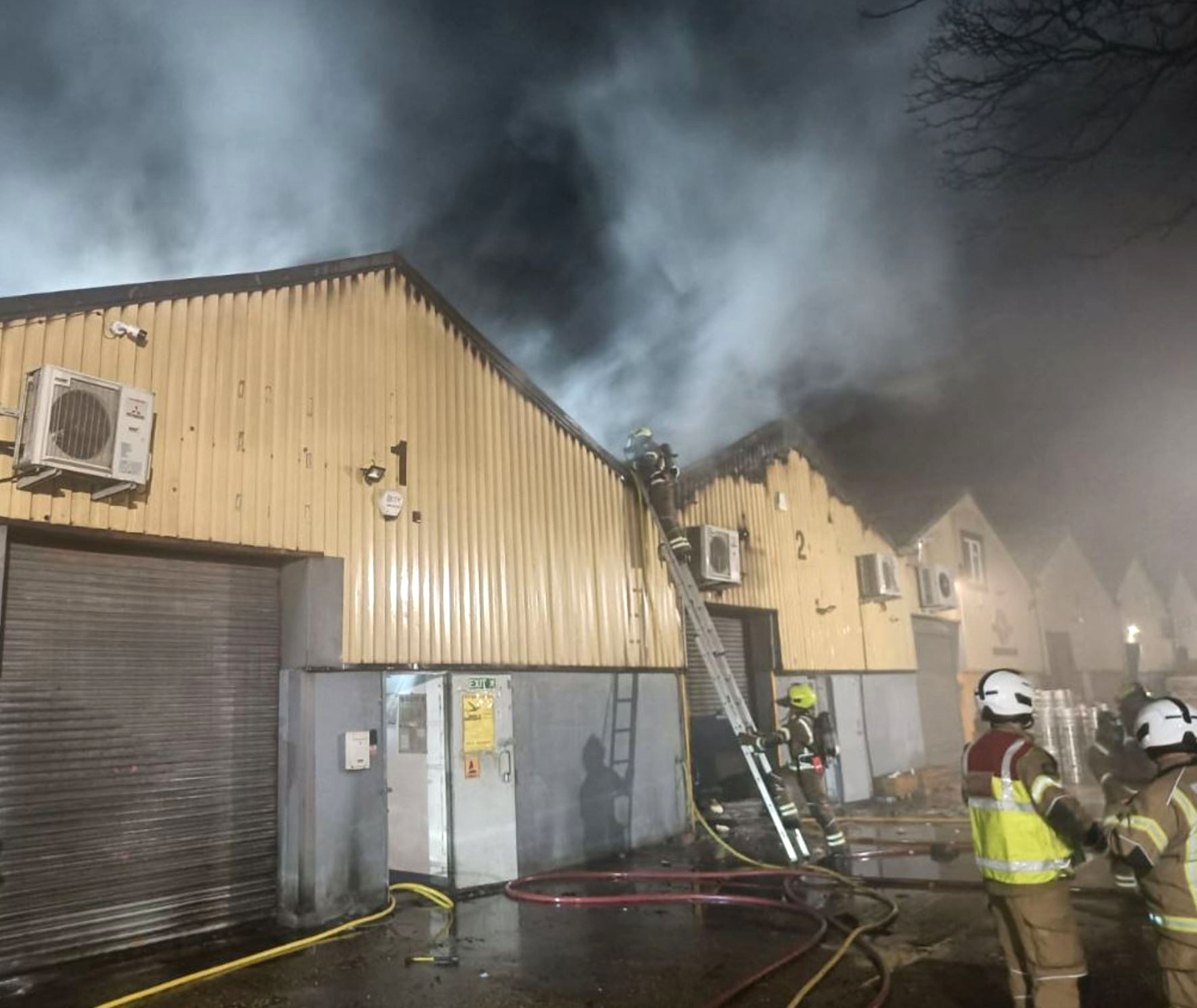
Recent examples include the Leyton warehouse arson in March 2024 — where Russia was found to have recruited proxies to set fire to a Ukrainian-owned commercial facility — or the 2024 and 2025 reconnaissance by the Russian vessel Yantar, which was detected loitering near the UK’s critical underwater infrastructure.
But while Russia is content meddling with British affairs from afar, the Kremlin remains highly aware that direct strikes on the UK would be “playing with fire,” says Glod, given the mutual defence agreement between allies in Nato.
“No-one really knows what Nato’s response to a Russian attack on the UK would be, and Putin doesn’t want to find out. He knows that Russia doesn’t have the capacity to respond.”
Could Putin escalate his ‘hybrid war’ on Britain?
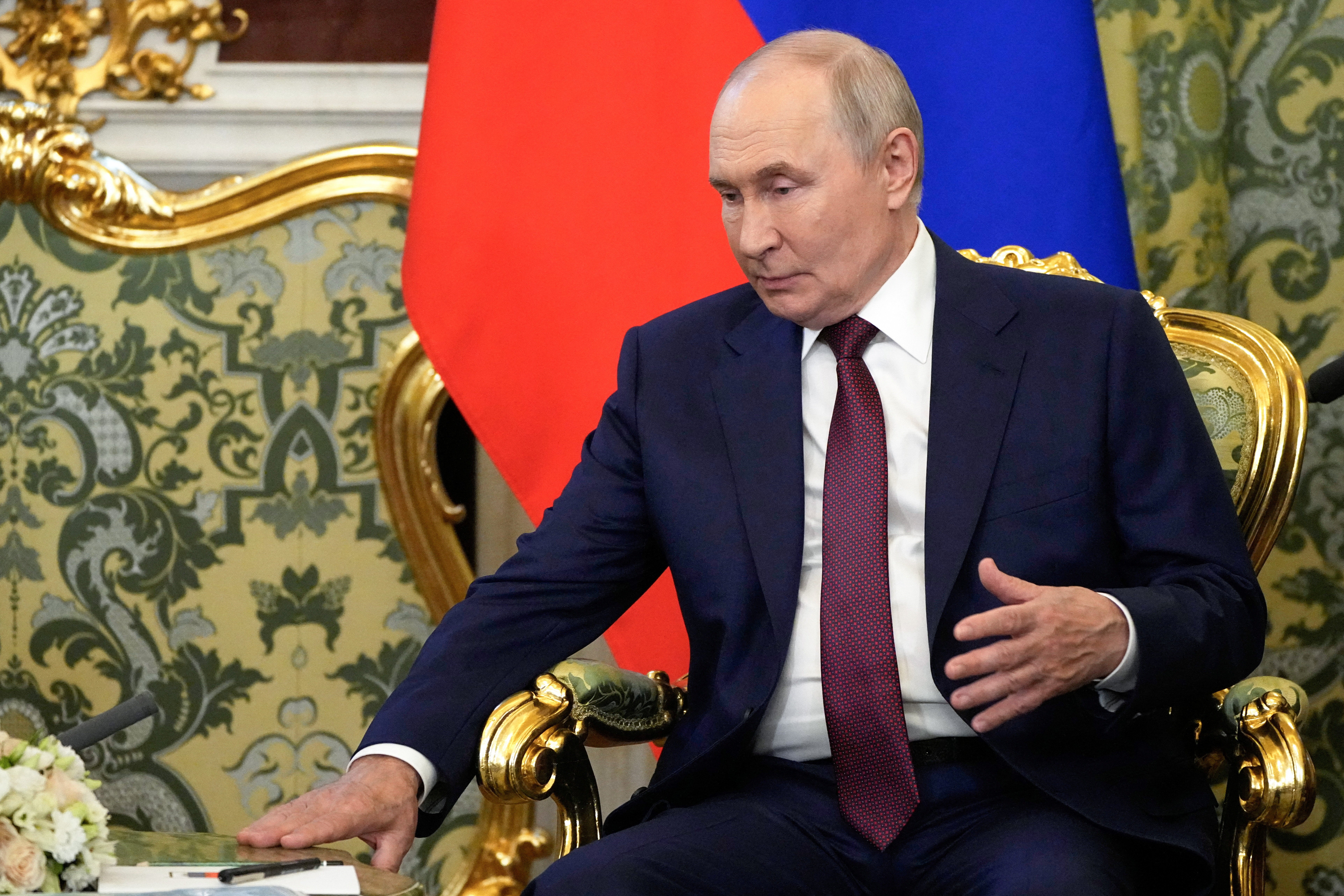
Instead, the threat posed by a potential NATO intervention means that the Kremlin will most likely look toward “hybrid attacks.”
Hybrid attacks often use non-military actions to harm a rival country without starting a traditional war.
Such attacks include: cyber-crime, harassing diplomats, recruiting criminals on British soil to help achieve Russian objectives, or approaching British airspace and waters.
“These things will all continue, or even escalate, but it is hard to say if it is solely because of the UK supplying drones to Ukraine, or if they would have happened anyways,” explains Glod.
Why Putin faces conflicting objectives
For Putin, empty threats have created a problem.
“His two main objectives are conflicting,” Glod stresses. “While he’s trying to signal that anyone who helps Ukraine will face retaliation, he also wants to avoid being directly affiliated with any kinetic action against a Nato member.”
“What Putin really wants is for Western states to understand that assisting Ukraine will result in escalation.”
But with Putin taking no direct action against Nato members over the past four years, Russian credibility to back up its threats is waning.
“Putin has threatened to use nuclear weapons in the past, and just hasn’t followed through,” says Glod. “And the thing about deterrence is, if you don’t follow through, it wears out.”
Because of this, the Kremlin’s reliance on unfulfilled threats has done little other than reveal that Russia is severely constrained in how it can retaliate against Ukrainian deep strikes without risking a larger war with the West.
Can the UK defend itself against Russian attack?
While an open military assault remains unlikely, the threats from Moscow have highlighted concerns over British air defence capabilities.
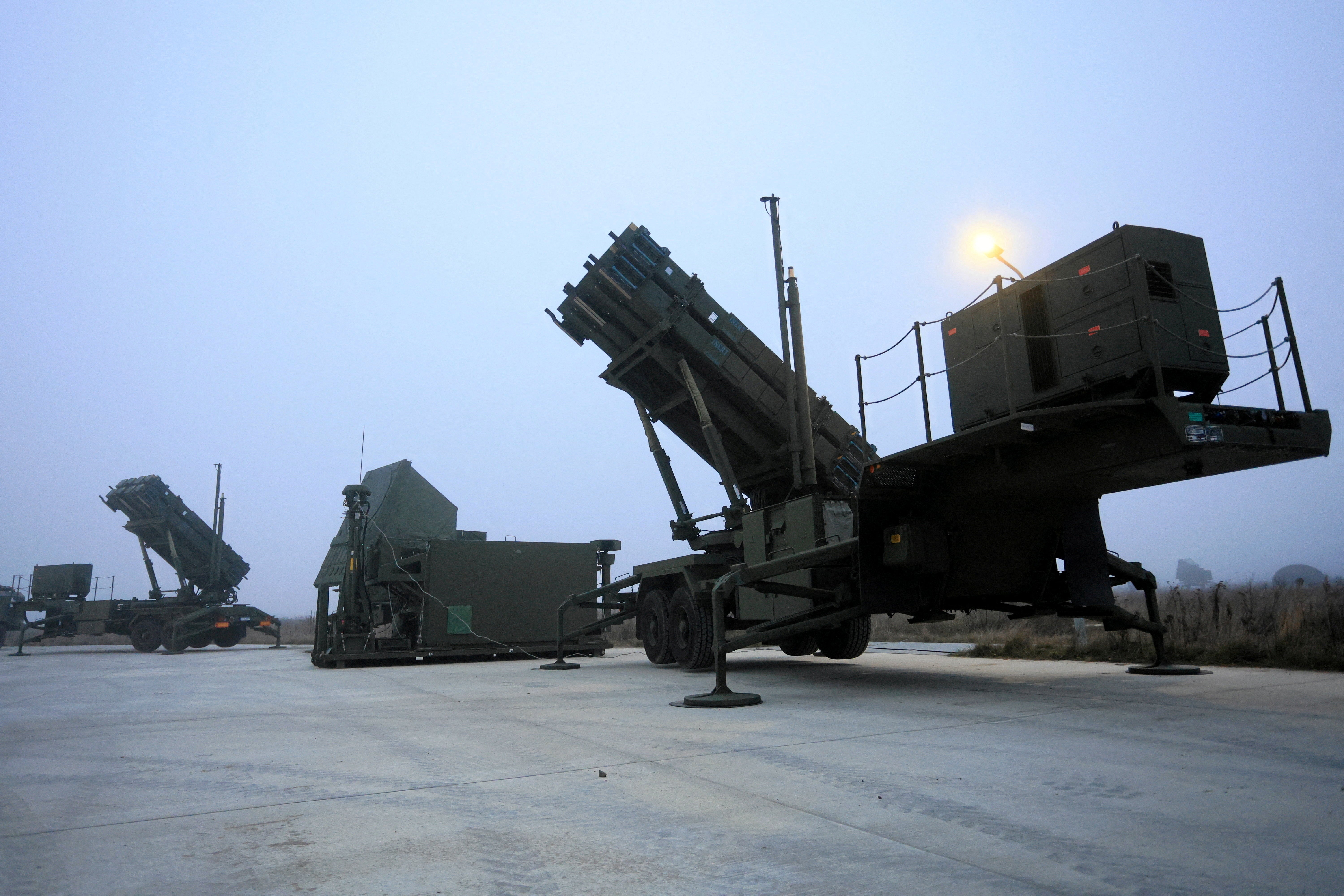
At present, Russia does have the capacity to strike the UK using its missile systems in Belarus.
“But the worry for the UK is it doesn’t have the air defence capacity to be able to defend against an air attack,” Glod says.
While several European allies rely on US-made Patriot air defence systems — widely recognised as the gold standard for tracking and intercepting high-speed ballistic and cruise targets — the UK does not field these systems.
Nevertheless, Glod stresses that a direct missile strike remains improbable. “Russia doesn’t want to engage in active war with the UK,” she notes, “because it knows that Nato’s collective response would be far worse.”