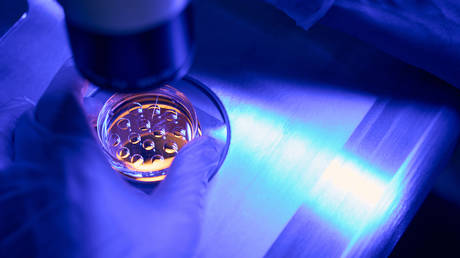
Энэхүү шинэлэг систем нь эрчим хүчний зарцуулалтыг эрс бууруулж, биологийн болон цахиурын чипийг хослуулан тооцоолол хийх боломжийг бүрдүүлж байна.
Сингапурын Үндэсний их сургуулийн Анагаах ухааны сургууль (NUS Medicine), DayOne дата төв болон Австралийн Cortical Labs компани хамтран хүний тархины эсийг ашиглан ажилладаг анхны дата төвийн прототипийг танилцууллаа. Уг систем нь 20 ширхэг CL1 биологийн компьютероос бүрдэх бөгөөд тус бүр нь электрод бүхий цахиурын чип дээр байрлуулсан 200,000 гаруй хүний нейроныг агуулдаг. Эдгээр эсийг цусны эсээс үүсгэсэн үүдэл эсээс гарган авч, уламжлалт техник хангамжтай цахилгаан дохиогоор холбосноор тооцоолох хүчин чадал үүсгэдэг байна.
Биологийн компьютерууд нь уламжлалт дата төвүүдийн ашигладаг өндөр хүчин чадалтай сервер болон хөргөлтийн системүүдээс хамаагүй бага эрчим хүч зарцуулдаг. Cortical Labs-ийн гүйцэтгэх захирал Хон Вэн Чонгийн мэдээлснээр, нэг ширхэг CL1 компьютер нь амьдралыг тэтгэх системтэйгээ нийлээд ердөө 30 ватт эрчим хүч зарцуулдаг бол орчин үеийн найман ширхэг Nvidia H100 SXM чип бүхий сервер 10,200 ватт хүртэлх эрчим хүч шаарддаг байна. Энэхүү технологи нь цахилгаан болон усны нөөцийн хязгаарлалттай Сингапур улсын хувьд стратегийн ач холбогдолтой шийдэл болох юм.
Тус системийг ажиллуулахын тулд лабораторийн нөхцөлийг бүрдүүлэх шаардлагатай бөгөөд нейронуудыг гурван өдөр тутамд сахар, шим тэжээл, рН буфер бүхий хольцоор тэжээж, нүүрстөрөгчийн давхар исэл, хүчилтөрөгч, азотын хийн хангамжаар тогтмол хангадаг. Хөгжүүлэгчдийн үзэж буйгаар энэхүү технологи нь ChatGPT зэрэг том хэлний загваруудад ашиглагддаг хурдан, давтагдах тооцоололд зориулагдаагүй ч эм бэлдмэл гаргаж авах, хүн төрхт робот, кибер аюулгүй байдал болон луйврыг илрүүлэх салбарт өргөн боломж нээж байна. Биологийн систем нь мэдээлэл багатай нөхцөлд ч суралцах, өөрчлөгдөж буй орчинд дасан зохицох чадвараараа давуу талтай юм.
Дэлгэрэнгүйг эх сурвалжаас харах
↓Эх сурвалжийг нээх ↓
The 20-unit system reportedly uses lab-grown brain cells integrated with silicon chips to generate computing power
Singapore has launched the world’s first independently operated data center using living human brain cells for some computing tasks, the medical school of the National University of Singapore (NUS Medicine) has said. The system consumes a fraction of the power of traditional computing hardware. The neurons are fed every three days and sustained by dedicated life-support equipment.
NUS Medicine announced the prototype earlier this month in partnership with Singapore-based data center operator DayOne and Australian biotech firm Cortical Labs. Housed at the university, the system is described by its developers as the world’s first independently operated biologically integrated server rack.
The facility comprises 20 CL1 biological computers, each containing at least 200,000 lab-grown human neurons on an electrode-fitted silicon chip. Derived from blood cells reprogrammed into stem cells, the neurons exchange electrical signals with conventional hardware, turning their activity into computing power.
Cortical Labs founder and CEO Hon Weng Chong said the prototype moves biological computing “from research to commercial application,” arguing it could complement AI where “data is sparse” and conditions change. He pointed to potential uses in drug discovery, humanoid robotics, cybersecurity and fraud detection.
Unlike conventional data centers packed with power-hungry servers and cooling systems, biological computers could operate on a fraction of the electricity by harnessing the natural processing capabilities of living neural networks.
Keeping the “computers” running looks more like maintaining a laboratory than a server room. Technicians feed the cells a mixture of sugar, micronutrients and pH buffers every three days, while a gas system supplies carbon dioxide, oxygen and nitrogen.
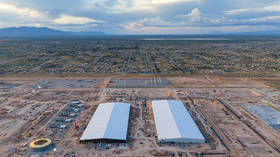
Each CL1 draws around 30 watts including its life-support equipment, according to Chong. Nvidia’s H100 SXM AI processor can consume up to 700 watts under heavy workloads, while a server fitted with eight such chips can draw around 10,200 watts including supporting hardware.
The power difference is particularly relevant for Singapore, which temporarily halted construction of new data centers in 2019 because of concerns over their electricity and water consumption. Data centers accounted for around 7% of the country’s electricity use in 2020.
The technology is not intended to replace silicon, which Chong said remains “far superior” for the fast, repeatable calculations behind large language models such as ChatGPT. Biological systems, however, can learn from fewer examples and adapt to changing conditions.
You can share this story on social media:




