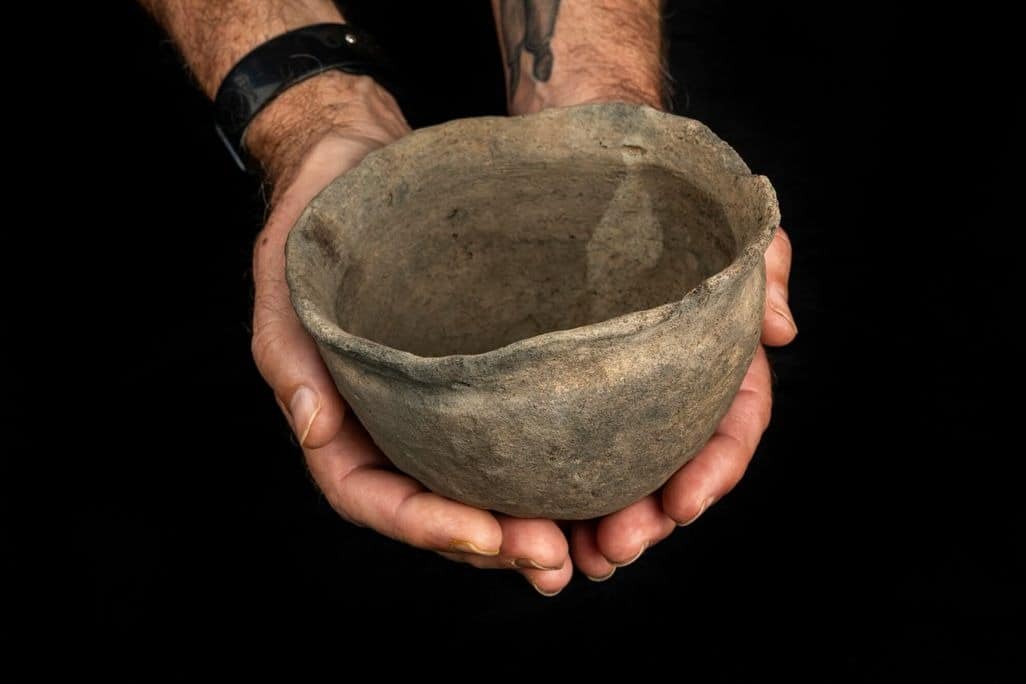
Эрдэмтэд маш сайн хадгалагдсан энэхүү олдвор ямар зориулалтаар, яагаад булшлагдсаныг тайлбарлахад бэрх байгаа ажээ.
Флоридагийн их сургуулийн оюутнууд Гейнсвилл дэх Mission San Francisco de Potano хэмээх түүхэн дурсгалт газарт явуулсан малтлагын үеэр бүрэн бүтэн шавар ваар илрүүлжээ. Ойролцоогоор дөрвөн зуу орчим жил газар дор байсан уг эд зүйл ямар ч гэмтэл, элэгдэлгүй олдсон нь археологичдын анхаарлыг ихэд татаж байна. Ихэвчлэн газар тариалан, барилгын ажил болон хөрсний хөдөлгөөнөөс шалтгаалан эртний ваар савнууд хагарч, хэлтэрхий байдалтай олддог тул ийнхүү бүтнээр нь олсон нь маш ховор тохиолдол юм.
Флоридагийн байгалийн түүхийн музейн археологич Гиффорд Уотерс уг олдворыг өөрийн карьерын туршид хуурай газраас олсон анхны бүрэн бүтэн ваар гэдгийг онцлов. Гар алганд багтахуйц жижиг, саарал өнгөтэй, ямар нэгэн чимэглэлгүй энэ ваар нь яг ямар зориулалттай байсан нь тодорхойгүй байна. Судлаачид уг ваарыг санаатайгаар нүхэнд булсан байх магадлалтай гэж үзэж байгаа ч ашиглах боломжтой эд зүйлийг яагаад хаяж орхисныг тайлбарлах баримт одоогоор алга.
Малтлага хийсэн газар нь 1606 онд Испанийн номлогчдын байгуулсан суурин бөгөөд хожим 1700-аад оны эхээр Британийн довтолгоо нэмэгдэх үед цэргийн хуаран болгон ашиглаж байсан байх магадлалтай ажээ. 2006 оноос хойш тус газарт 7000 гаруй олдвор илрүүлсний ихэнх нь нутгийн уугуул иргэдийн ваарны хэлтэрхий, чулуун зэвсэг болон амьтны яс байсан юм.
Судлаачид уг ваарны ойролцоогоос олдсон өөр нэгэн бүдүүн хийцтэй ваарны хэлтэрхий нь тухайн бүс нутагт өөр өөр соёл, худалдааны сүлжээ холбогдож байсныг илтгэж байна. Энэхүү олдворууд нь тухайн үеийн уугуул иргэдийн уламжлалт зан үйл болон колоничлолын нөлөөлөл хэрхэн хоршиж байсныг харуулах чухал баримт болж байна.
Дэлгэрэнгүйг эх сурвалжаас харах
↓Эх сурвалжийг нээх ↓
A small, unbroken clay pot has surfaced from the Florida soil after roughly four centuries underground, and it’s leaving archaeologists with more questions than answers. Found at a historic Potano-Timucua village site in Gainesville, the vessel shows no signs of damage or wear that would explain why it was left behind, a puzzle that’s now drawing attention to the layered history of Native tradition, Spanish colonization, and cross-regional trade at the site.
The discovery was made during a University of Florida field course at Mission San Francisco de Potano, a settlement that traces back to the late 16th century. Students there have spent nearly two decades slowly uncovering the remains of a Spanish mission built atop, and alongside, an Indigenous village, and the intact pot is quickly becoming one of the most talked-about finds in that long excavation.
What truly caught archaeologists’ attention wasn’t how old the pot is, but how well it held up. Pottery buried whole is rarely found that way generations later; soil shifts, farming, and construction tend to damage even vessels placed carefully underground. Museum staff point to that survival, more than anything else, as the reason this discovery stands out.
An Object That Shouldn’t Have Survived Intact
Gifford Waters, collections manager for historical archaeology at the Florida Museum of Natural History, has spent years excavating sites across the region, including shipwrecks where whole artifacts are more routinely recovered. But land sites are a different story.
“It’s very unique. Typically, we find things that were broken and discarded,” Waters said, adding that this marked the first time in his career his team had excavated an entirely unbroken pottery vessel from a terrestrial site.
The pot itself is unassuming, small enough to fit in a palm, with a plain rim, a dull gray finish, and no decoration. Its exact use is unknown, and so is how many people might have handled it before it went into the ground. What troubles Waters most is the deliberate nature of its burial.
“It’s very unique. Typically, we find things that were broken and discarded,” he said. “You don’t leave things behind that you can still use, so why was this purposefully put into a pit?”
A Village Built on Layers of History
The pot was recovered from a Spanish-built structure whose function hasn’t yet been determined, though a nearby gun’s rear sight and a musket side plate point to a possible use as a barrack for the small military garrison stationed there after British raids intensified in the early 1700s. The mission itself dates to 1606, when Spain sent a friar to establish it among the Potano, a Timucua group that had resettled the area in 1585 after being pushed out by Spanish forces.

At its peak, the surrounding village held several hundred Potano residents, compared with just one European occupant, the friar. That imbalance, museum researchers note, explains why the vast majority of the more than 7,000 artifacts recovered from the site since 2006 are fragments of Native pottery, alongside glass beads, stone tools, nails, and animal remains from meals of turtle, fish, and turkey.
“What tells us the most is not just the artifacts but the evidence of activities. Knowing that we have a bunch of pieces of bone at the site is great, but the fact we know that nearly all of them came from one spot tells us it was a cooking area and trash pit,” Waters said. “It’s not just artifacts themselves but where they were on the site, how they were distributed and what they were associated with that tells the story.”
Traces Of Ancient Trade Networks Found
The intact pot shows none of the burned residue typically left by cooking vessels, suggesting it wasn’t used directly over a fire, though faint scorch marks may have come from its original firing, or from being warmed near a flame to heat food. Shortly after its discovery, students found fragments of a second, much larger and rougher vessel that didn’t match known local pottery styles.

Researchers believe it may have arrived through trade with St. Augustine or present-day Jacksonville, or come with a new resident who brought different traditions to the settlement. According to a press realease published by The Florida Museum of Natural History, these contrasts capture something larger about the village itself:
“During the later years of this mission, folks from different parts of Florida and Native Americans from different areas moved into and around the site. It’s really neat to see these differences and connections in the artifacts. It shows both the persistence and change of traditions over time.”
Enjoyed this article? Subscribe to our free newsletter for engaging stories, exclusive content, and the latest news.

