Ираны хууль тогтоогчид гадаадын байгууллага, хэвлэл мэдээллийн хэрэгсэлтэй харилцахыг хязгаарлах шинэ хуулийн төслийг хэлэлцэж эхэлсэн нь тус улсыг олон улсын мэдээллийн урсгалаас тусгаарлах эрсдэлтэй байна.
Шинэ хуулийн төсөл батлагдвал гадаадын хэвлэл мэдээллийн хэрэгсэлд ярилцлага өгөх, зураг илгээх, мэдээлэл дамжуулах зэрэг үйлдлийг гэмт хэрэгт тооцож, 6 сараас 2 жил хүртэлх хугацаагаар хорих ял оноох боломжтой болохыг хүний эрхийн хуульчид анхааруулж байна. Ираны тагнуулын яаманд урьдчилан мэдэгдэлгүйгээр хийсэн аливаа гадаад харилцааг үндэсний аюулгүй байдалд заналхийлсэн үйлдэл гэж үзэхээр байгаа аж. Энэхүү зохицуулалт нь Instagram, X зэрэг сошиал медиа платформуудад ч хамаарах бөгөөд нийгмийг гадаад ертөнцөөс бүрэн тусгаарлах оролдлого гэж хүний эрхийн байгууллагууд шүүмжилж байна.
Саяхан гэрэл зурагчин Ялда Моайерийг АНУ болон Израйлийн Иран дахь дайны үеийн үйл явдлыг баримтжуулсан гэх үндэслэлээр эзгүйд нь 15 жилийн хорих ялаар шийтгэсэн тохиолдол гарчээ. Тэрээр өөрт нь тулгасан эдгээр ялыг эсэргүүцэж, өөрийгөө Израйль болон АНУ-ын бодлогыг үргэлж шүүмжилж ирсэн гэдгээ илэрхийлсэн байна. Моайер мөн гадаадын сэтгүүлчид Иранд ирэхдээ иргэдийн бодит амьдрал, эдийн засгийн хүндрэл, хүний эрхийн асуудлыг хөндөхгүйгээр зөвхөн суртал нэвтрүүлгийн чанартай үйл ажиллагаанд оролцож байгаад шүүмжлэлтэй ханджээ.
Хүний эрхийн төвүүдийн үзэж буйгаар энэхүү хууль нь зөвхөн сэтгүүлчдийг төдийгүй энгийн иргэд, эрдэм шинжилгээний ажилтнуудын олон улсын хамтын ажиллагааг зогсоож, тус улсыг мэдээллийн “хар нүх” болгон хувиргах аюултай байна. Энэ нь иргэний болон мэргэжлийн үйл ажиллагааг үндэсний аюулгүй байдлын эсрэг гэмт хэрэгтэй адилтгаж буй алхам юм гэж мэргэжилтнүүд дүгнэжээ. Иран улс өмнө нь 2022 онд болсон эсэргүүцлийн жагсаал болон энэ оны нэгдүгээр сард болсон үймээний дараа хэвлэлийн эрх чөлөөг хязгаарлах арга хэмжээнүүдийг эрчимжүүлээд байгаа билээ.
Дэлгэрэнгүйг эх сурвалжаас харах
↓Эх сурвалжийг нээх ↓
Iran has taken the first step towards criminalising contact with foreign media, in a move human rights groups have said attempts to “sever the entire Iranian society from the rest of the world”.
For journalists, researchers and even ordinary citizens, the proposed law being discussed by Iranian lawmakers this month could make speaking to international audiences and groups a potential criminal act and restrict coverage of events such as January’s mass anti-regime protests.
Even social media platforms that the regime considers to be “financed” by another country, such as Instagram and X, would fall under the bill, said Moein Khazaeli, an Iranian human rights lawyer at Dadban, a legal counselling centre for Iranian activists.
“It means any kind of interview, contact, or sending photographs to them [foreign media or organisations] could lead to six months to two years’ imprisonment. Not just the US and Israel, but any contact with foreign media in any country could be considered a crime if one doesn’t inform the intelligence ministry beforehand,” said Khazaeli.
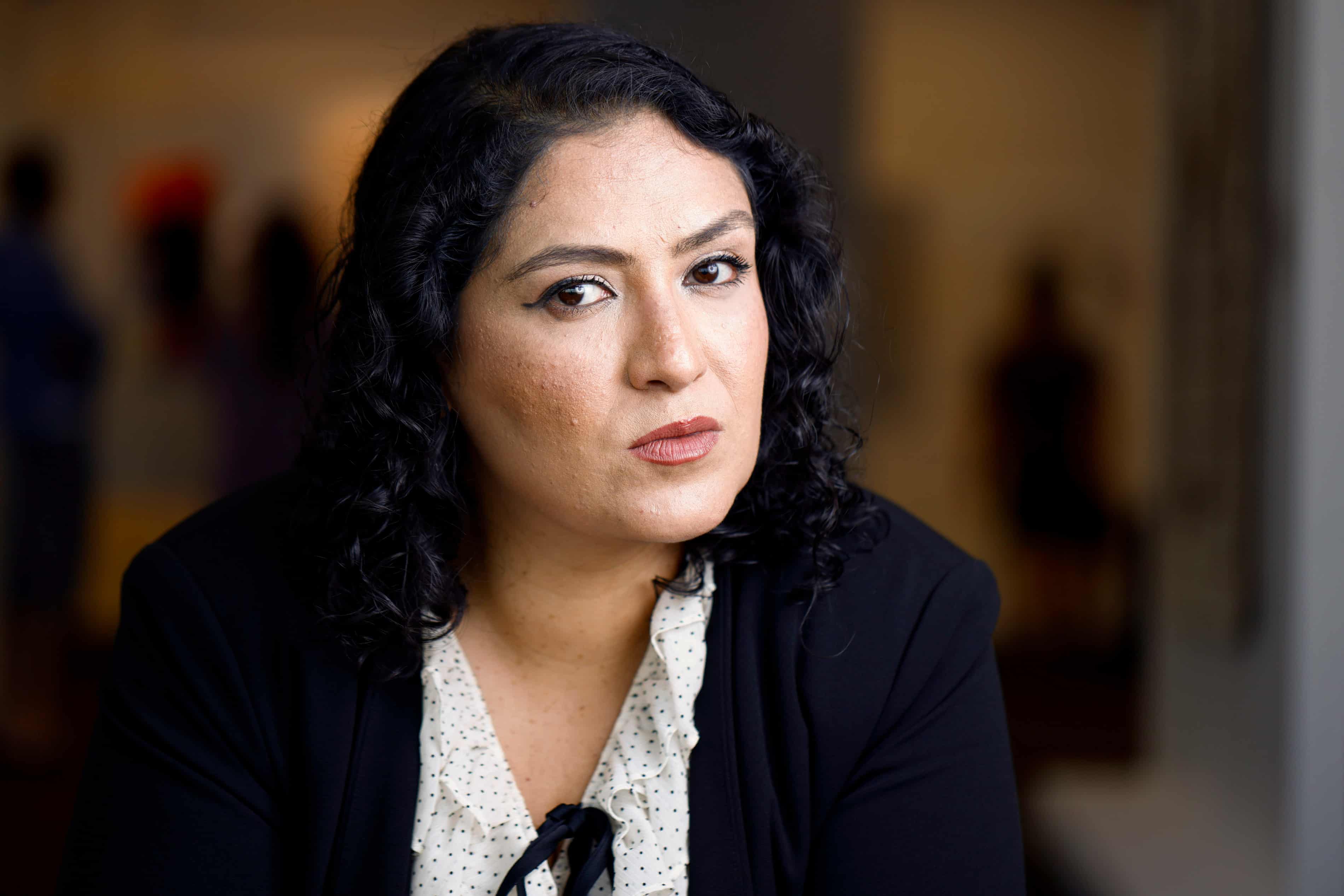
Among the recent examples of the risks facing Iranian journalists is the case of Yalda Moaiery, an acclaimed photographerwho was sentenced this month to 15 years in prison in Tehran for documenting the US-Israeli war on Iran.
Although Moaiery was charged under the espionage law introduced after last year’s 12-day war between Iran and Israel, Khazaeli said the new bill signalled a broader effort to regulate and punish contact between Iranians and foreign media and institutions. “It could move [Iran] to a North Korea kind of situation,” he said.
Moaiery, 44, has spent two decades covering the harsh realities faced by people in Iran, including the nationwide Woman, Life, Freedom protests in 2022 and the anti-regime protests that led to thousands being killed in January.
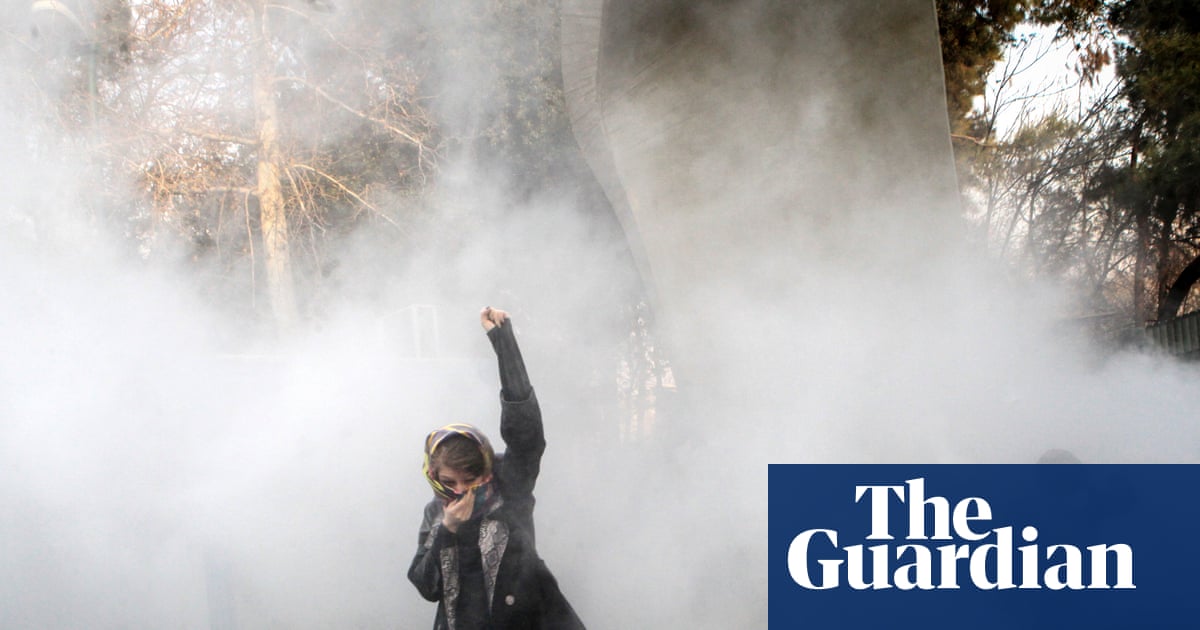
She came to international prominence in 2019 after criticising Trump’s use of one of her photos of a woman at a demonstration near Tehran University, saying Trump’s sanctions were damaging Iranian lives, including those of her friends and family. “This image shows my people and is for my people, and shouldn’t be abused by these men in Washington,” she wrote.
Now, in a cruel irony, Moaiery said she had been sentenced in absentia for her work covering the US-Israeli war in Iran and accused of media activity deemed to strengthen and aid Israel and the US.
“I have been a critic of Israel and its policies all my life. I am not an Israel supporter, never, ever. And I have always been a critic of American politics. It was like something that you are against, and they want to stick it to you. So it’s hard. It’s super hard,” she told the Guardian.
Bahar Ghandehari, director of advocacy at the Center for Human Rights in Iran (CHRI), said the new law on media contact risked turning Iran into an “isolated black hole”.
“It is not simply an attack on journalists and citizen journalists; it is an attempt to sever the entire Iranian society from the rest of the world by criminalising the free flow of information itself.
“It sends a chilling message and threatens to turn ordinary academic, professional and civic engagement into a potential national security crime,” he said.
Moaiery was arrested and sentenced to eight years in prison in 2022, but later received an amnesty. This time, however, she fears her sentence could be upheld and she might be jailed.
“Of course, I am scared,” she said. “The only thing that I’m worried about is wasting my life if I have to be there for 15 years. When I get out, I’ll be 60 years old.”
She also criticised foreign journalists who travelled to Tehran to cover the funeral in July of the late supreme leader, Ali Khamenei.
“I have one word for them: shameful. They just want to say, ‘We were in Tehran.’ OK, but what did you do? They didn’t go and ask people about the economic situation or talk to the families of the thousands who died in January. Why were you here? To participate in their propaganda?”

