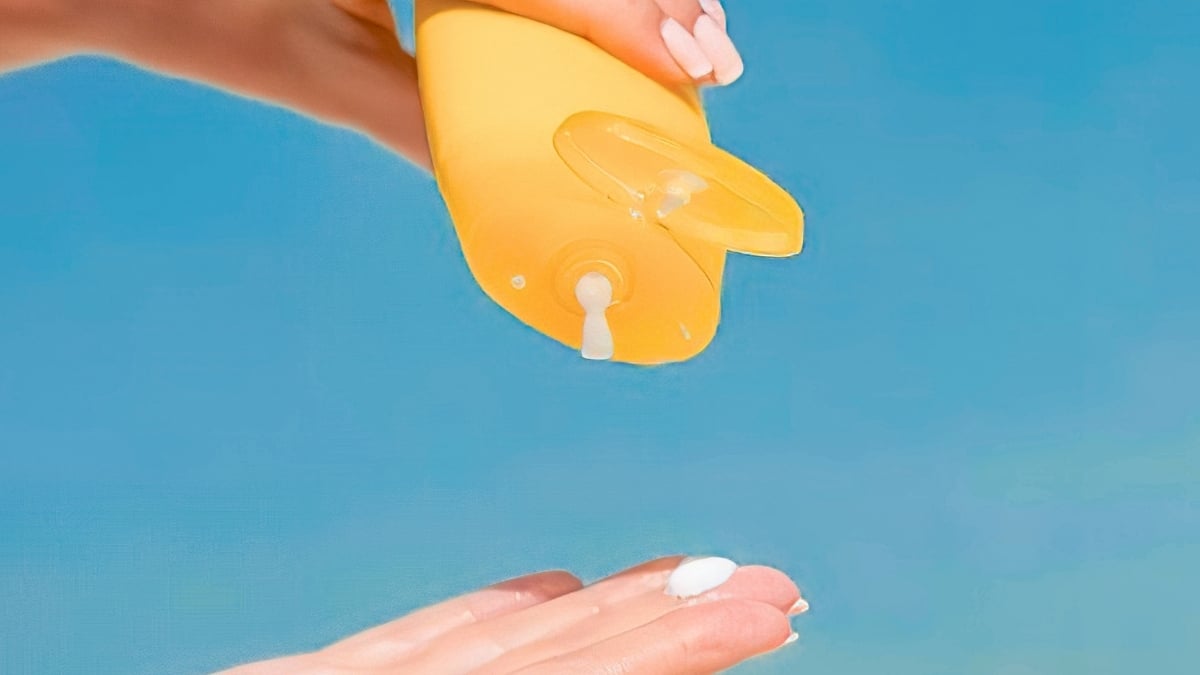
АНУ-ын Хүнс, эмийн захиргаа (FDA) сүүлийн 30 орчим жилийн хугацаанд анх удаа нарны тосны шинэ найрлага болох бемотризинол (BEMT)-ийг бүртгэж, хэрэглэхийг зөвшөөрлөө.
Нарны хэт ягаан туяа нь арьсны эсийг гэмтээж, үрчлээ үүсгэх, улмаар арьсны хорт хавдар үүсгэх эрсдэлтэй байдаг. Швейцарийн эрдэмтдийн 1990-ээд оны сүүлээр гаргаж авсан бемотризинол нь 2000 оноос хойш Европын холбоо, Ази, Австрали болон Канадад өргөн ашиглагдаж ирсэн. Стэнфордын их сургуулийн Анагаах ухааны сургуулийн арьсны эмч Сьюзан Светтерийн хэлснээр, энэхүү найрлага нь хэт ягаан туяаг шүүх хамгийн үр дүнтэй өргөн хүрээний шүүлтүүр юм.
Одоогийн АНУ-ын зах зээл дээрх бүтээгдэхүүнүүд UVA туяаг бүрэн хааж чаддаггүй сул талтай бол бемотризинол нь 370-400 нанометрийн урттай туяаг хаах чадвартай. Түүнчлэн, энэ нь том молекулын бүтэцтэй тул арьсанд шингэх нь бага, гэрлийн нөлөөгөөр задардаггүй, тогтвортой шинж чанартай. Ингэснээр нарны тосны найрлагад нэмэлт бодис бага орох бөгөөд хэрэглэгчдэд эвтэйхэн, тослоггүй, арьсан дээр цагаан толбо үлдээхгүй байх давуу талтай.
Бемотризинол агуулсан бүтээгдэхүүн 9-р сараас эхлэн худалдаанд гарах төлөвтэй байна. Эхний 18 сарын хугацаанд уг найрлагыг зөвхөн “Parsol Shield” нэрээр худалдаалах бөгөөд 6 сар ба түүнээс дээш насны хүүхдэд хэрэглэхэд аюулгүй гэж үзжээ. Эрдэмтэд амьдралын эхний 18 жилд нарны хамгаалалтыг тогтмол хэрэглэх нь насанд хүрсэн үед арьсны хорт хавдар тусах эрсдэлийг 80 орчим хувиар бууруулах боломжтойг онцолж байна.
Дэлгэрэнгүйг эх сурвалжаас харах
↓Эх сурвалжийг нээх ↓
Though the Sun bathes us in life-giving light, it is a scorching nuclear orb that dwarfs all the planets combined and blasts its children with gene-mutating radiation.
As such, it’s important to protect ourselves as best as possible to avoid diseases like skin cancer.
We may very soon have the best tool to do just that: bemotrizinol (BEMT), the first new sunscreen ingredient that the FDA has approved in almost 30 years.
Yet BEMT itself is not new. Like bidets, it’s been popular elsewhere for decades.
Developed by Swiss chemists in the late 1990s, it entered use in the European Union (EU) in 2000, and shortly thereafter in Asia, Australia, and Canada.
This is partly due to regulatory differences; many countries treat sunscreens as over-the-counter (OTC) cosmetics, while the US considers them OTC drugs.
Fortunately, the extended wait is almost over, as Americans can soon purchase a “game changer” and “the best broad-spectrum ultraviolet radiation filter available,” says Stanford Medicine dermatologist Susan Swetter.
Vitally, it will address one of the most elusive types of solar radiation.
The Sun generates three types of UV radiation, differing in wavelength and in their ability to penetrate the atmosphere and then our skin. UVC radiation has the shortest wavelengths and the highest energies, but is thankfully blocked by our ozone layer.
UVA and UVB radiation reach the ground and irradiate our skin cells, triggering the melanin production that causes that coveted suntan beloved by beachgoers.
Yet it can also cause wrinkles and saggy skin, as well as skin cancer.
And though sunscreens boast broad-spectrum protection, the ones available in the US do not block all UVA rays – which are the most penetrative due to their longer wavelengths – leaving a tiny door ajar between around 370 and 400 nanometers.
BEMT helps close this door. If a wavelength span of 30 billionths of a meter doesn’t sound crucial, covering it can potentially prevent innumerable radiation-caused mutations:
“We have not had a good UVA filter on the US market to date,” says Stanford dermatologist Joyce Teng.
Equally important, BEMT makes people want to use it by eliminating the discomforts of current commercial sunscreens.
“If you have a sunscreen that’s going to stain your clothes or leave a white cast on your skin, or if it’s going to be greasy, most people don’t want to wear it,” explains Stanford dermatologist Zakia Rahman.
“You need to reduce the barrier to entry, and bemotrizinol does that.”
BEMT isn’t absorbed into our bodies as easily because it’s a huge molecule.
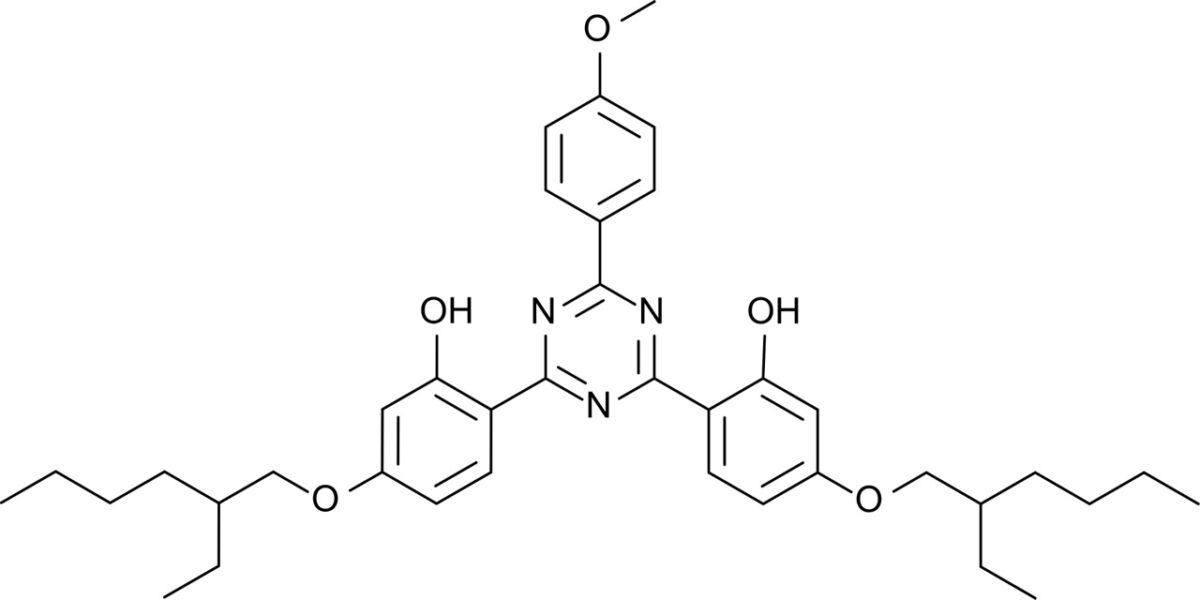
Sitting on the skin, BEMT may be safer and better able to convert harmful UV radiation into heat that wafts off us as we turn on our beach towels, rotisserie-chicken style.
It’s also more photostable, so it may last for six to eight hours.
Other formulations, such as avobenzone, may break down after just 30 minutes of Sun exposure, notes Swetter – though she still advises reapplication of bemotrizinol every two hours.
BEMT thus creates purer sunscreens because it’s more potent. And fewer added ingredients equals less ‘grease,’ so we won’t have to look or feel like a buttered lobster after a picnic.

It may also be more eco-neutral. Other sunscreens have been found to bleach coral reefs and have raised concerns about disrupting endocrine functions in animals and humans, leading to their banishment in places like Hawaii and Palau.
So, overall, this decades-in-the-making mandate represents “a massive leap forward for skin health in the US,” Stanford experts say.
BEMT sunscreen should hit store shelves soon, circa September.
For its first 18 months, it will be sold exclusively as Parsol Shield – by the Swiss-Dutch pharma firm DSM-Firmenich, which reportedly invested $US 18 million across decades of testing its efficacy, tolerability, and safety.

And if this marks the end of the sunscreen-slathered-nose trope popularized by TV lifeguards, camp counselors, and nerdy neighbors, it’s worth it for the generational health benefits, as it’s deemed safe for children aged 6 months or older.
Related: Just One Intense Sunburn Can Change Your Health Forever, Research Shows
“If we start the regular use of sunscreen and other sun-protective measures in the first 18 years of life, we could reduce skin cancer rates by about 80% in adulthood,” Swetter concludes.
“Starting young is going to be really important, and the recent FDA approval of bemotrizinol is very exciting.”
You can read the full Stanford Report here.
This article was fact-checked by Rachel Garner and edited by Rebecca Dyer. While we pride ourselves on our process, we are only human. If you spot a mistake, please let us know.


Гайхалтай мэдээ байна, шинэ найрлагаар нарнаас илүү үр дүнтэй хамгаалах боломжийг нээж байгаа нь үнэхээр сонирхолтой. Та энэ шинэ найрлага нь арьсны ямар асуудлуудыг илүү сайн шийдэх гэж байгааг бодож байна вэ?