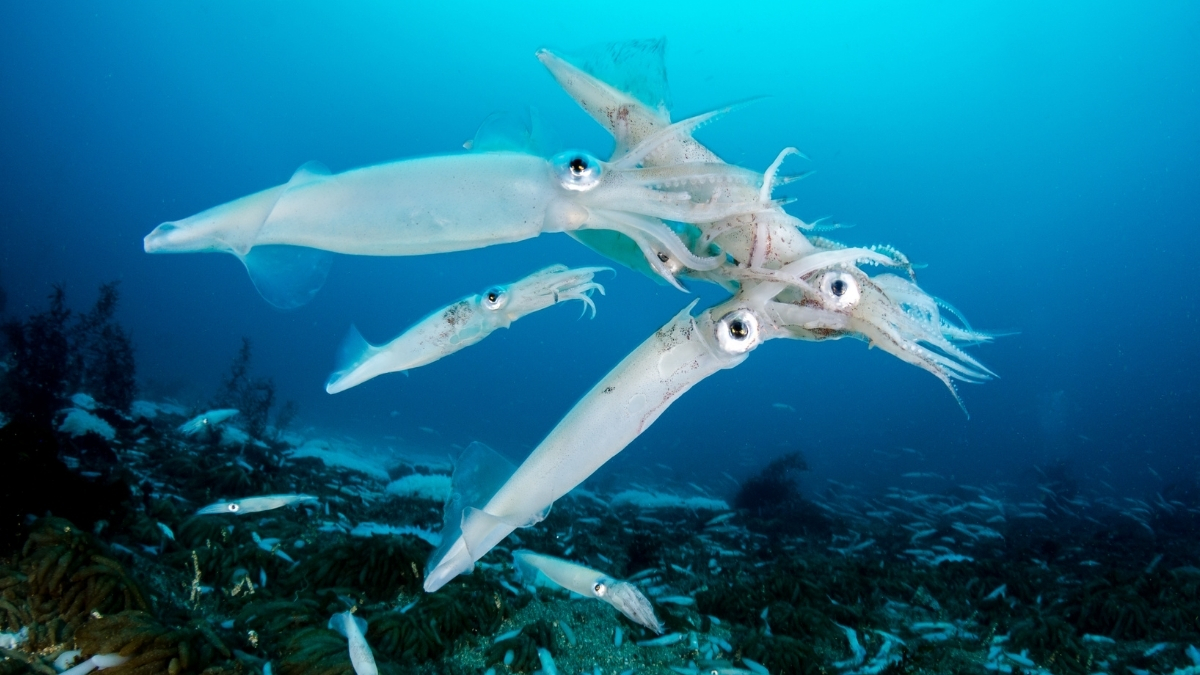
Судлаачид сүүлийн зуун жилд далай тэнгис дэх хавч хэлбэртэн, ялангуяа наймаалж, хуурамч наймаалжийн тоо толгой огцом өссөнийг тогтоожээ.
Аделаидын их сургуулийн судлаачдын баг 2016 онд хийсэн судалгаагаараа далайн экосистемд загас агнуур эрчимжсэн эсэхээс үл хамааран эдгээр амьтны тоо толгой нэмэгдэж байгааг илрүүлсэн байна. Өмнө нь энэхүү үзэгдлийг загас агнуурын улмаас махчин амьтад цөөрсөн эсвэл дэлхийн дулааралтай холбон тайлбарладаг байв. Гэвч Рэми Денэшэр болон түүний багийн хийсэн компьютер загварчлалын судалгаагаар энэхүү таамаглал бүрэн үндэслэлгүй болохыг харуулжээ.
Судалгааны үр дүнд махчин загасны тоо толгой буурах нь наймаалжийн хүнсний нөөцийг нэмэгдүүлж, тэдний өсөлтөд давуу тал олгодог ч энэ нь экосистемийн тэнцвэрийг нөхөж чадахгүй болохыг тогтоов. Түүнчлэн далайн усны температур нэмэгдэх нь наймаалжийн биеийн жинд эерэгээр нөлөөлөх бус, харин бодисын солилцооны эрчимтэй холбоотойгоор тэднийг илүү их хоол тэжээл хайхад хүргэж, улмаар өсөлтийг нь хязгаарлаж болзошгүй байна.
Наймаалж нь богино настай, хурдан өсөж үрждэг онцлогтой тул хүрээлэн буй орчны өөрчлөлтөд дасан зохицох чадвар өндөртэй байдаг. Энэхүү дасан зохицох чадвар нь тэднийг экосистемийн эвдрэлд хурдан хариу үйлдэл үзүүлэхэд тусалдаг “анхдагч түрэмгийлэгч” болгодог аж. Гэсэн хэдий ч судлаачид хүнсний нөөцийн хязгаарлагдмал байдал нь дулаарч буй далай тэнгист наймаалжийн цаашдын өсөлтөд сөргөөр нөлөөлж болзошгүй гэж үзэж байна.
Дэлгэрэнгүйг эх сурвалжаас харах
↓Эх сурвалжийг нээх ↓
We’ve made some drastic changes to ocean ecosystems in the past century.
One of the stranger patterns to appear in this is a global proliferation of tentacled creatures known as cephalopods, and in particular, squids.
Decades of ocean warming and overfishing may be correlated with an increase in the sheer volume of squid.
But researchers are warning we can’t necessarily expect them to fill the gaps left by heat-shocked, depleted, and displaced fisheries.
In 2016, a team led by researchers at the University of Adelaide found cephalopod populations had increased across six decades’ worth of data.
Their study showed this increase occurred regardless of the presence of a fishery, “suggesting that trends are not solely due to factors associated with developing fisheries”.
They proposed the squid boom could be because the predators that would usually keep squid numbers down have been overfished.
But because the trend occurred even outside of fished areas, they also suggested that the increased sea temperatures that have come with climate change could be playing a role.
These are interesting ideas, but as marine biologist Rémy Denéchère and team write in a preprint, “the proposed explanations for the historical increase in squid abundance are speculative, and the underlying mechanisms remain unclear”.
The researchers found that warmer seas might not necessarily mean squid proliferate as a direct result of overfishing or climate change.
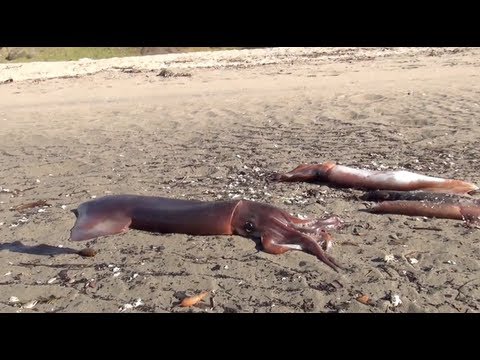
They used computer models of ecosystems to see how squid (and other fish in the environment) would theoretically be affected by a drop in predators and by changes in water temperature.
When top predators were overfished, squid abundance increased – but that didn’t compensate for the significant decline in predatory fish biomass.
Squid did not simply fill the void left by their predators.
That probably means the volume of squid in the ocean has more to do with the resources available to the squid than the number of predators around to eat them.
But fewer predators also means more small fish left over in the environment for hungry squid to eat – an indirect benefit, especially since squid are capable of eating 30 percent of their body weight each day to keep up with their rapid growth and active lifestyle.
Warmer temperatures, on the other hand, actually reduced squid biomass in the model.
That might be because hot squids use up more energy looking for food that isn’t necessarily more abundant.

“Our work showed that the historical expansion of squid is not, or only partially, explained by temperature and the loss of top predators, respectively,” Denéchére and team write.
There just isn’t enough detail in the existing data to know for sure how temperature will affect squids going forward. The model also left out some important factors, like how seawater tends to get colder the deeper you go, and the significant effects temperature has on squid embryo development.
What clearly benefits the squid in all these changing scenarios is their flexibility and rapid life cycles.
They can grow five times faster than fish and tend to die after just one or two years.
Their live-fast-die-young lifestyle makes them ideal ‘first invaders’, meaning they can quickly invade ecosystems disturbed by fishing, climate change, or both, and put the available resources to use.
In a century where heat waves have hit with increasing frequency, bottom trawling has totally reorganized seafloor ecosystems, and overfishing of top predators has destabilized food webs, squid have had plenty of opportunities to draw on these strengths.
“Considering this, the increase in squid populations in the last century could be alternatively explained by the ability of squid to quickly respond to increased ecosystem disturbance,” Denéchére and team add.
Related: Octopus Brains Defy a Long-Held Rule About Why Animals Evolve Intelligence
But versatility can only get you so far. If the underlying limitation on squid is the abundance of resources, then overfished and warming seas probably aren’t great habitat in the long-run.
“Following a strong El Niño/La Niña effect off southern California, reduction in food availability can override temperature-enhanced growth,” the researchers point out.
“In natural environments, it remains uncertain whether squid can meet the increased metabolic demands associated with higher temperatures, raising concerns that warming may ultimately constrain population growth.”
The research has not yet been peer-reviewed. A preprint is available on bioRxiv.
This article was fact-checked by Rachel Garner and edited by Peter Dockrill. While we pride ourselves on our process, we are only human. If you spot a mistake, please let us know.

